Where Fantasy Meets Fashion: Six Designers from HEAD Genève
Fashion — 19.11.26
Words by Grace Tu
Photos by Sylvain Leurent
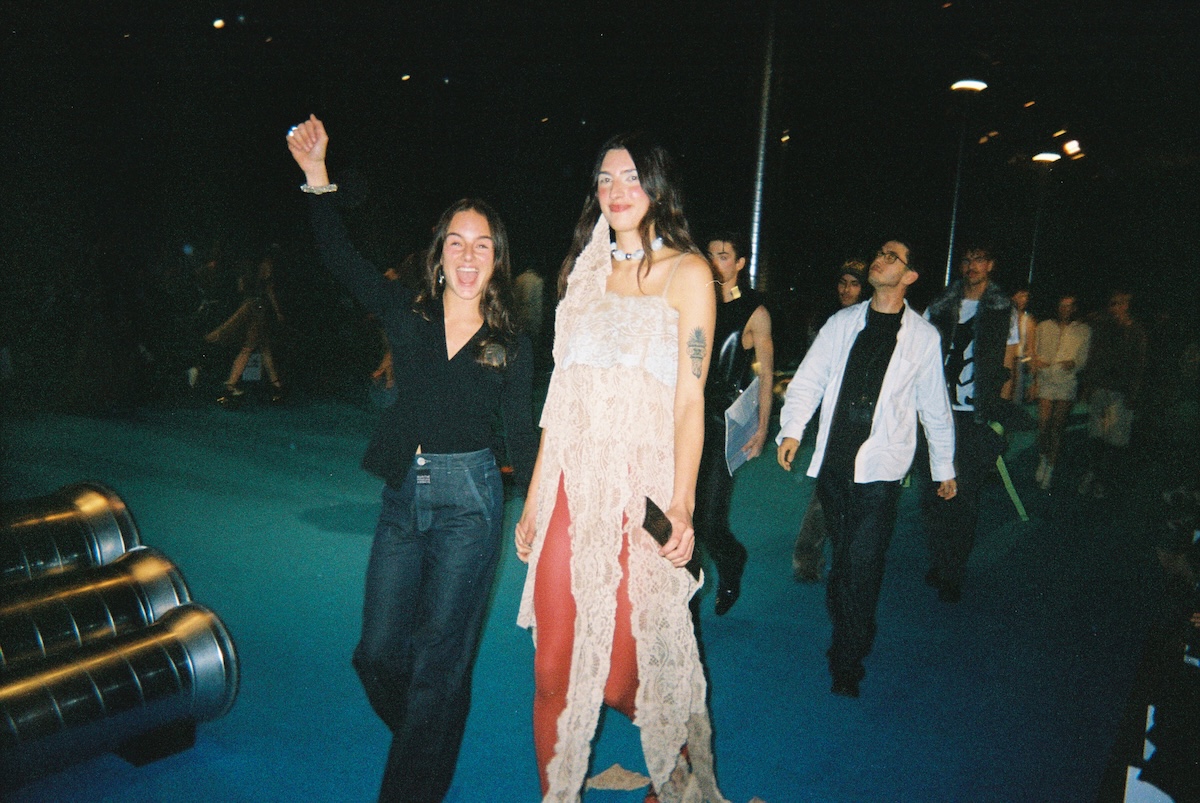
On November 6, Swiss art and design university HEAD Genève transformed its Le Cube exhibition space for its annual fashion show with an immersive light-and-sound installation. Designed by four MA in Installation Design students under Matali Crasset’s direction, ORGAN:E extended the building’s ventilation ducts into an oversized organ. Featuring an original soundtrack by Romano Bianchi x Village Pipo, including live performances with the Geneva Chamber Orchestra, the show welcomed nearly 2,500 spectators across two presentations.
Beyond the runway, the annual show gives emerging designers a platform to introduce their work to industry professionals and international press. This year’s event brought together an international jury of fashion and luxury figures, including Tim Blanks of The Business of Fashion and Marco Russo of Louis Vuitton.
In total, 33 collections were presented—20 from BA Fashion Design graduates and 13 from MA Fashion and Accessories Design graduates. Here, we spotlight six designers to know.
Hippolyte Laporte
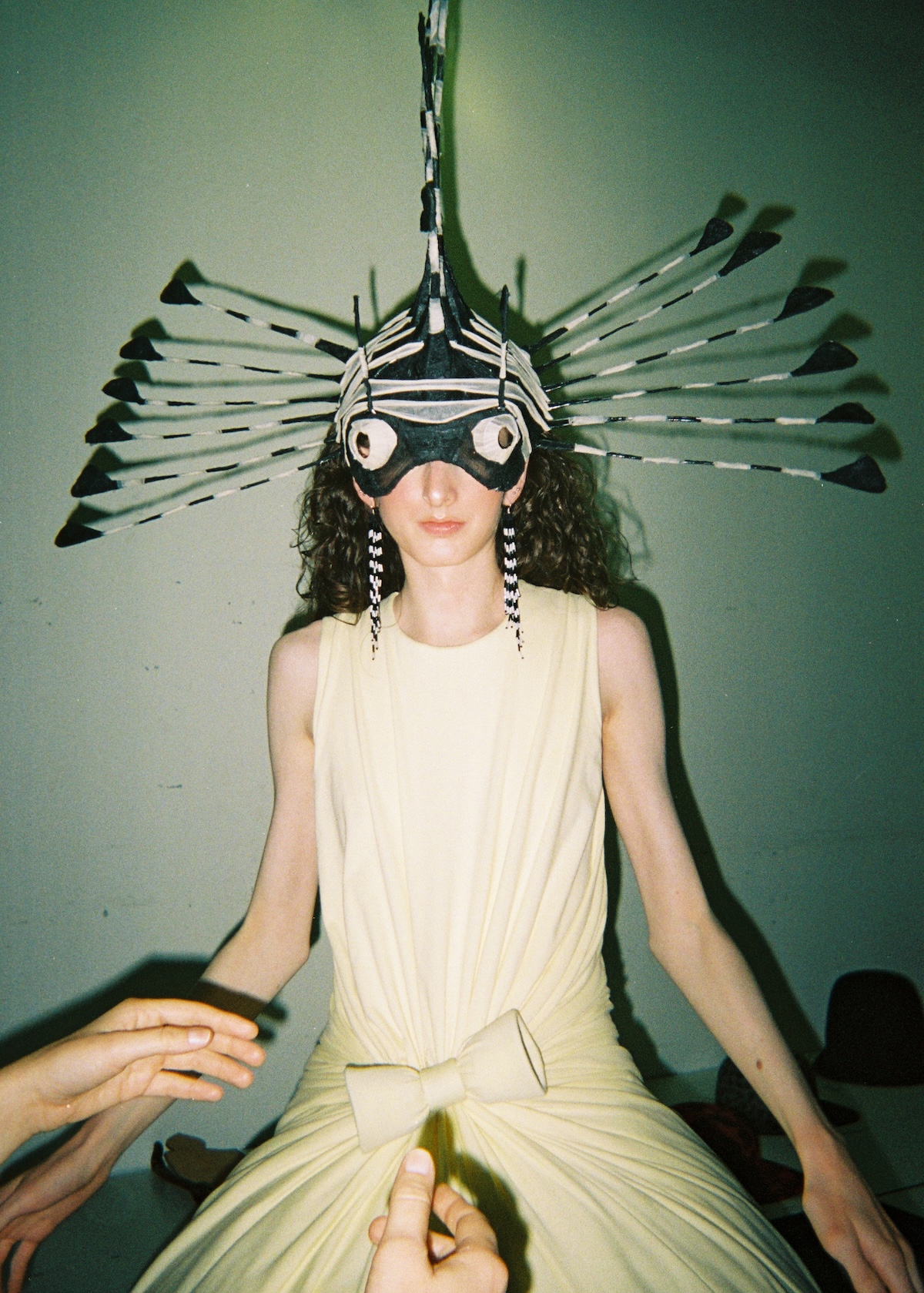
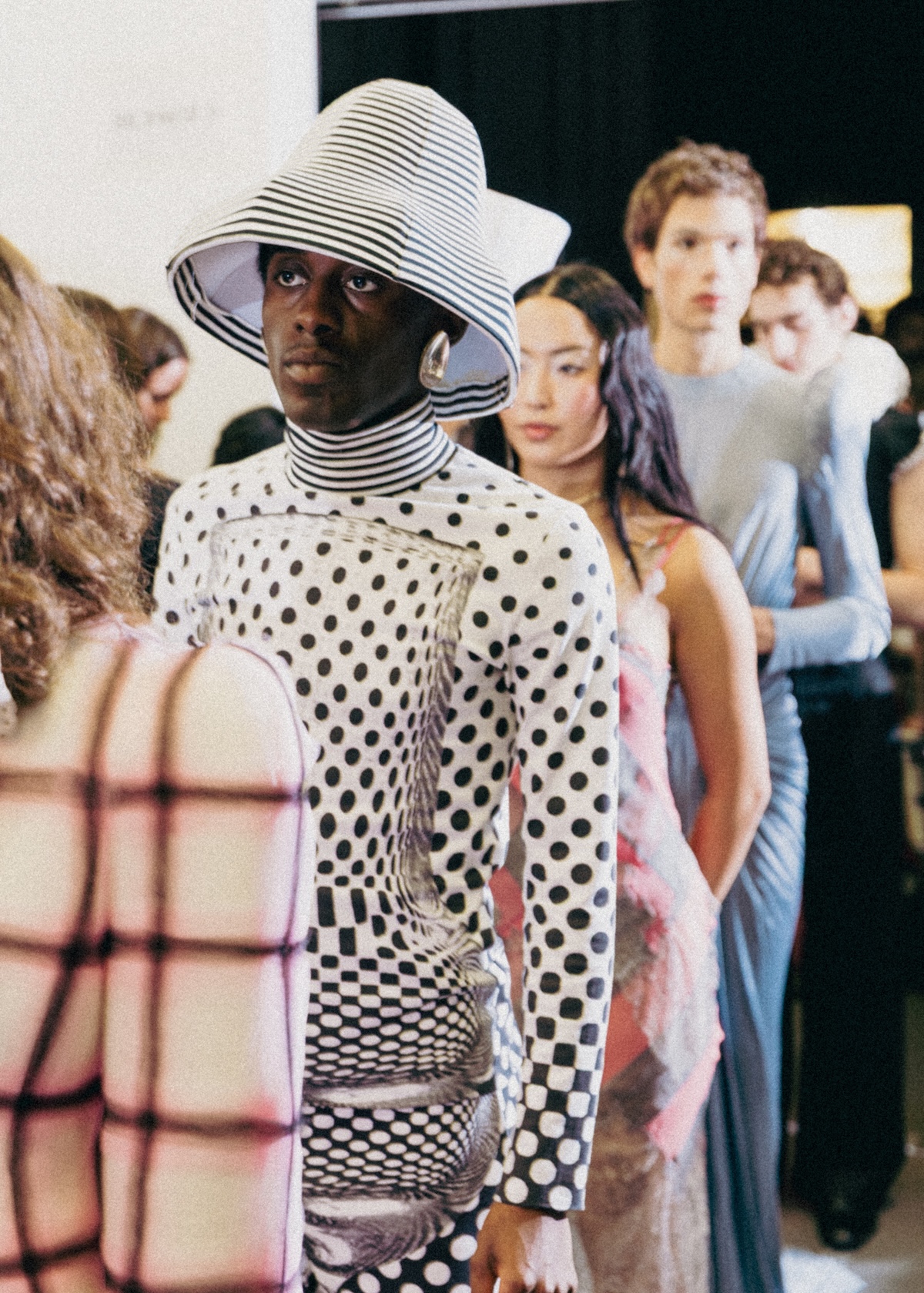
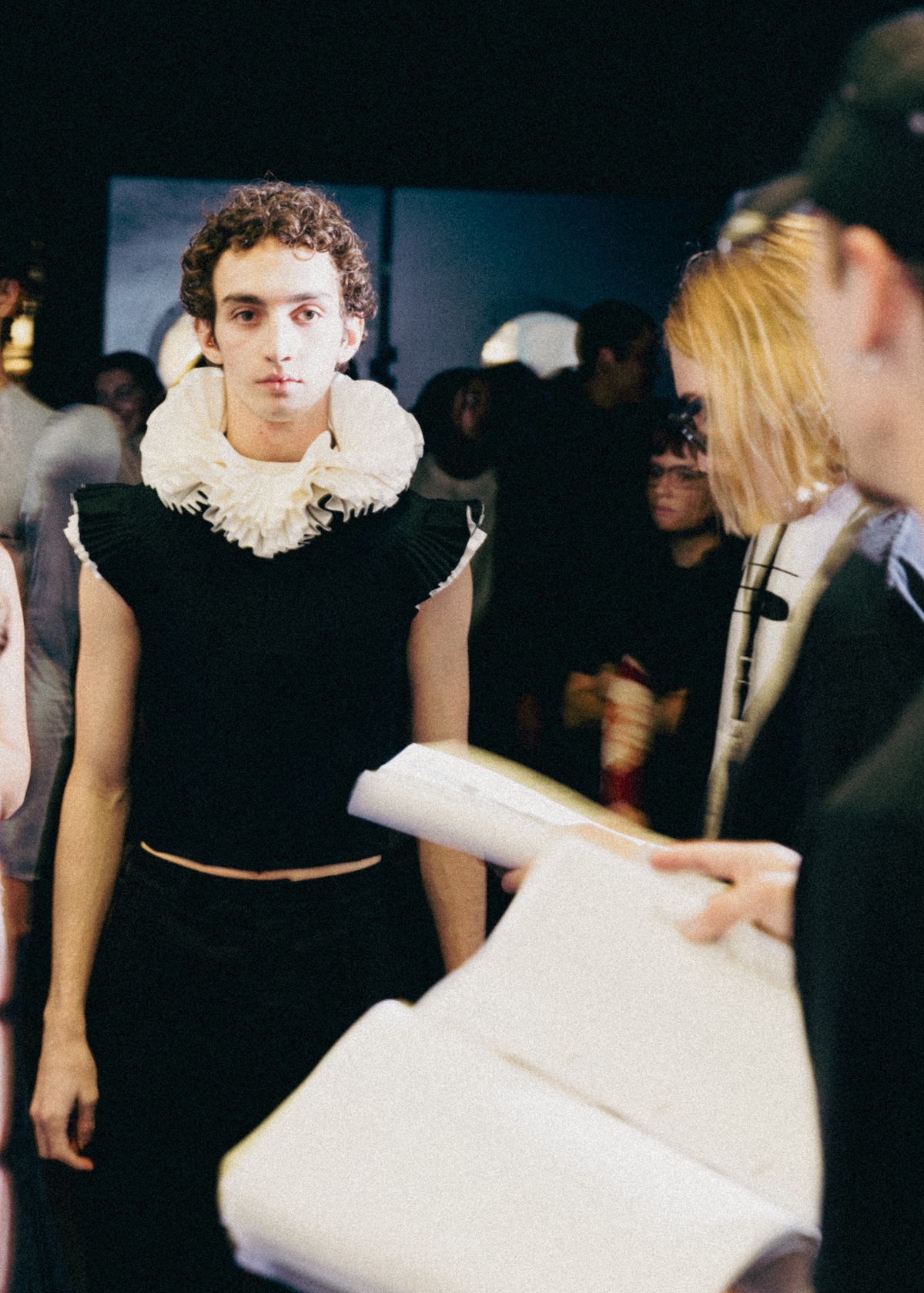
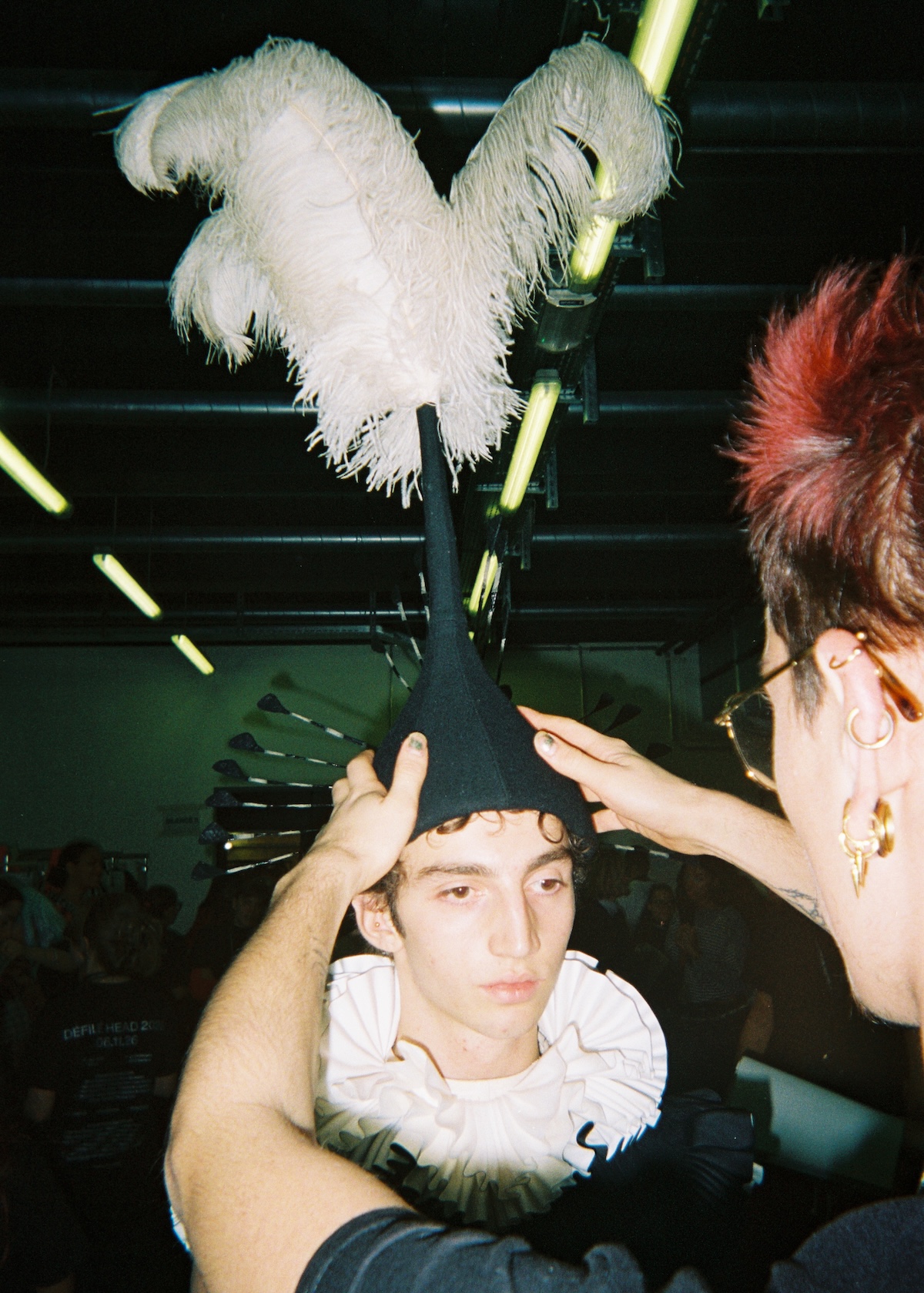
A bourgeois dinner becomes increasingly fantastical in Hippolyte Laporte’s Anamorphoses, where sculpted tailoring, exaggerated shoulders, and cinched waists meet illusionistic checks, lace, and tulle. Rules of etiquette fade as the garments become instruments of play, transformation, and fiction. Familiar elements of formalwear, such as high collars and prim bows, are exaggerated to theatrical proportions, while intricate trompe-l’oeil techniques blur the line between print, embroidery, and textile construction. As the collection unfolds, rigid silhouettes give way to whimsical looks, including headpieces reminiscent of butterflies and fish.
Laporte previously explored traditional masculinity through male striptease archetypes in his 2024 collection Behind the Curtain. With Anamorphoses, he continues to challenge the social conventions of dress. “I use the act of dressing up as a parallel to the act of making clothes and to fashion as a place of freedom,” Laporte says. “What interests me is when fashion stops being about fitting in and starts being about fiction or innovation.”
Loris Cedolin
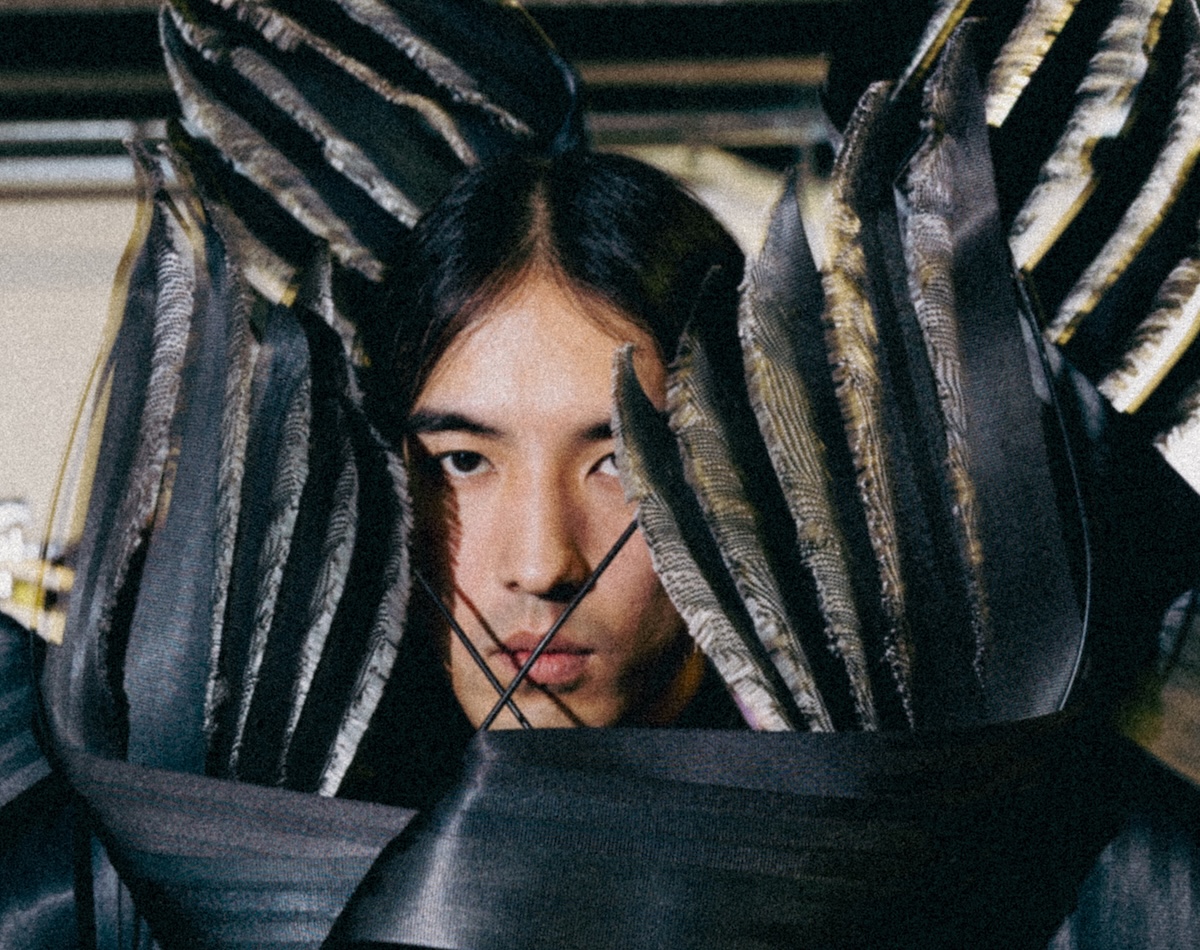
Inspired by a childhood fascination with swans, Loris Cedolin’s Fais-moi cygne presents the creature’s elegance and grace through a juxtaposition with the industrial nature of the collection’s key motif: upcycled seatbelts. Cedolin transforms an industrial symbol of safety and restriction into something unexpectedly graceful. Jackets are covered in feather-like strips of shredded seatbelt webbing, and tops are constructed with wings that open to represent the swan anatomically. The collection comes to a climax with the final look, inspired by the biblical form of angels: eight large black wings engulf the body to depict the final form in the transformation into a swan.
Cedolin’s childhood fascination with swans also reflects his own pursuit of perfection. “I’m always reaching for the best thing I can do, and sometimes it’s good, and sometimes it’s bad,” Cedolin says. “This collection is about the idea of being so obsessed with reaching an ideal that you can lose yourself in the process.”
Tanguy Mélinand
-
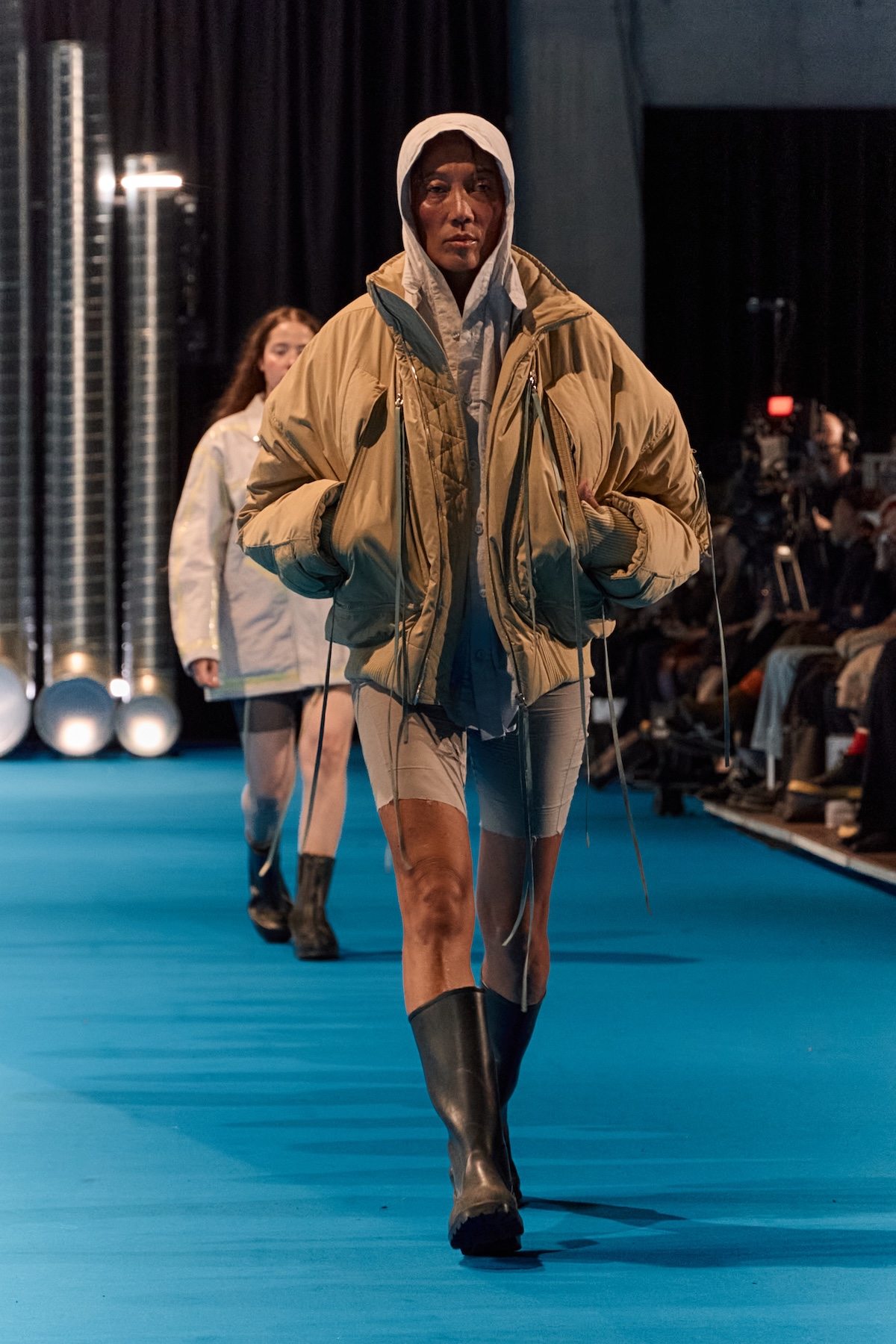
- Photos by Antoine Martin
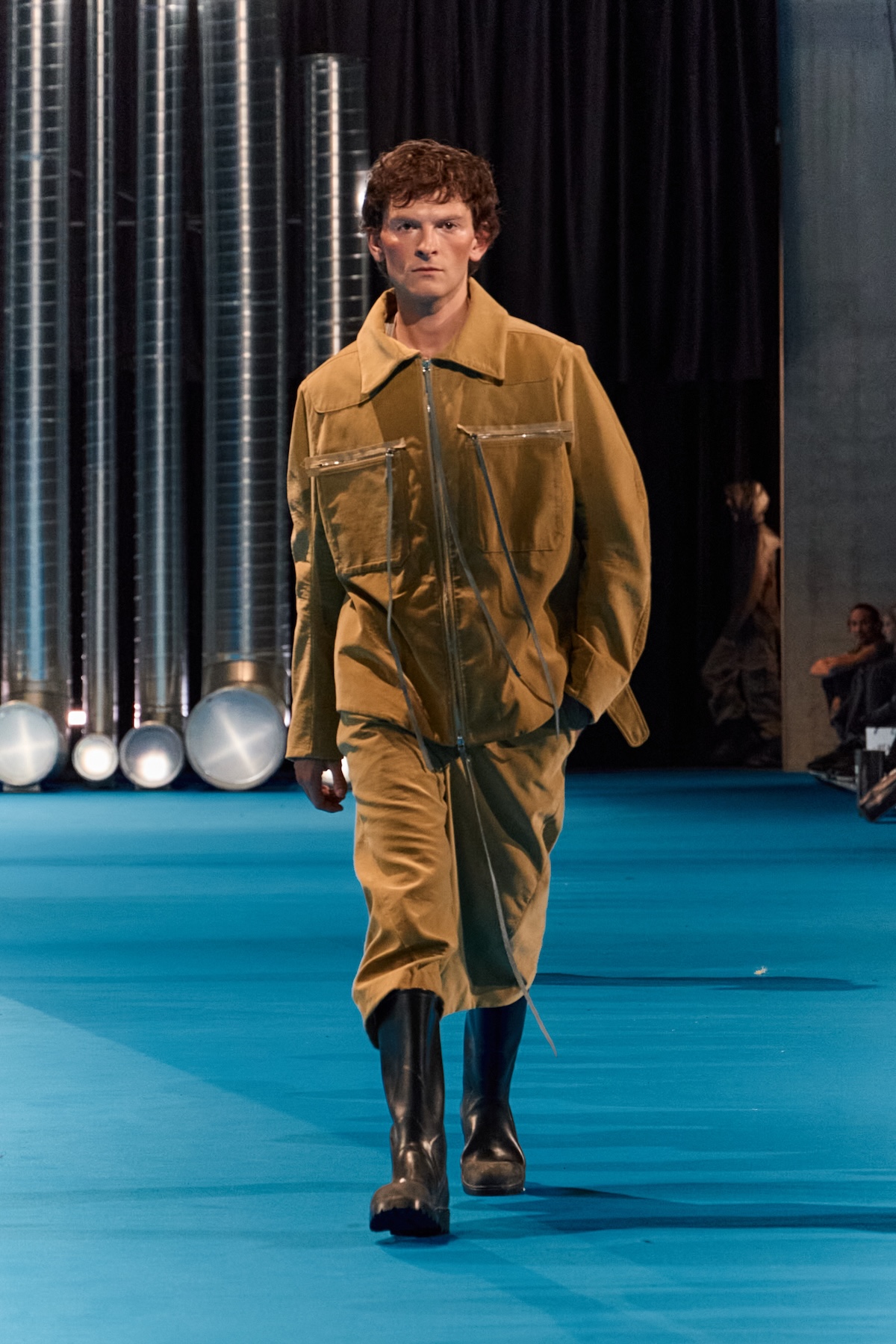
For Tanguy Mélinand, the Breton coastline is more than a source of inspiration—it’s also a source of materials. Growing up in a seaside village, he spent his childhood surfing, fishing, and catching velvet crabs, whose rounded shells would later inspire the silhouettes of Muddy Sea. Drawing on workwear, sportswear, and diving equipment, Mélinand reimagines coastal utilitarianism through curved jackets, wetsuit-inspired details, and garments that can transform into backpacks.
The collection’s standout innovation is a leather-like textile made from kelp harvested along the Breton coast. Mélinand began experimenting with seaweed during an undergraduate workshop exploring alternatives to animal leather, later refining the material through research with scientists in Iceland. The processed kelp is stitched into patchwork surfaces and assembled into garments, including a full-length trench coat — a particularly ambitious undertaking given the material’s weight and fragility. Despite its experimental nature, Muddy Sea remains grounded in practicality, with interchangeable pieces designed to be worn beyond the runway. “I didn’t think by look, but by piece when I created,” Mélinand says.
Chiara Bonelli
The idea starts simple: a blue ballpoint pen. From there, Chiara Bonelli sketches familiar garments from memory, translating the drawings into experimental textiles and reconstructed wardrobe staples for Out of the Blue. “I started with a very simple gesture, which is drawing with a blue pen on white paper,” Bonelli says.
To Bonelli, blue is an emotional color that sits between dream, memory, and wear. Oversized tailoring, frayed denim, and densely textured surfaces give familiar wardrobe pieces an experimental edge, while sketch-like lines trace the garments’ contours. Drawing inspiration from clothes she personally wears and cherishes, Bonelli explores how garments can evolve with their wearers rather than simply being replaced. Her collection earned her the Baume & Mercier Prize at this year’s HEAD Fashion Show.
Kelig Trésallet
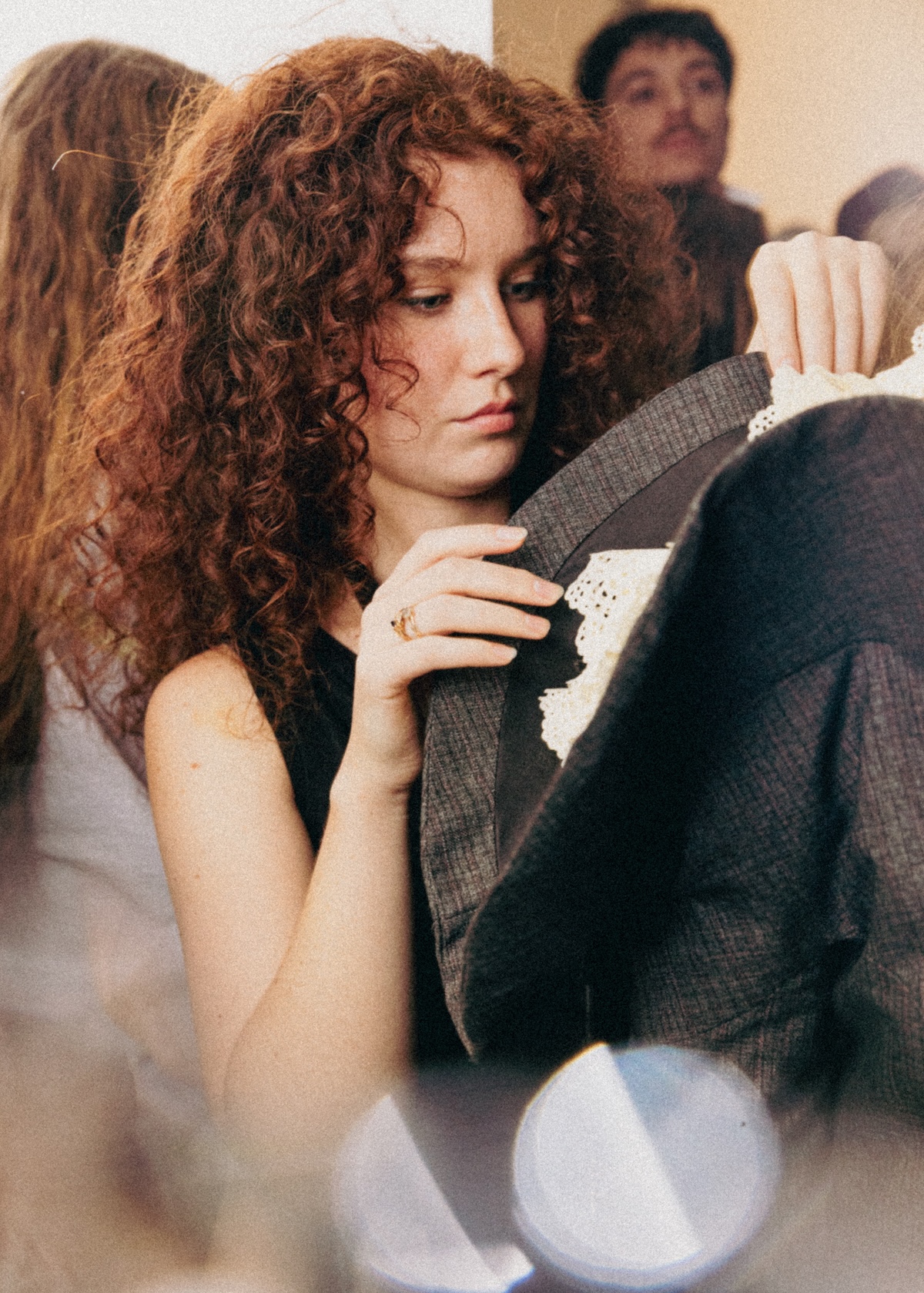
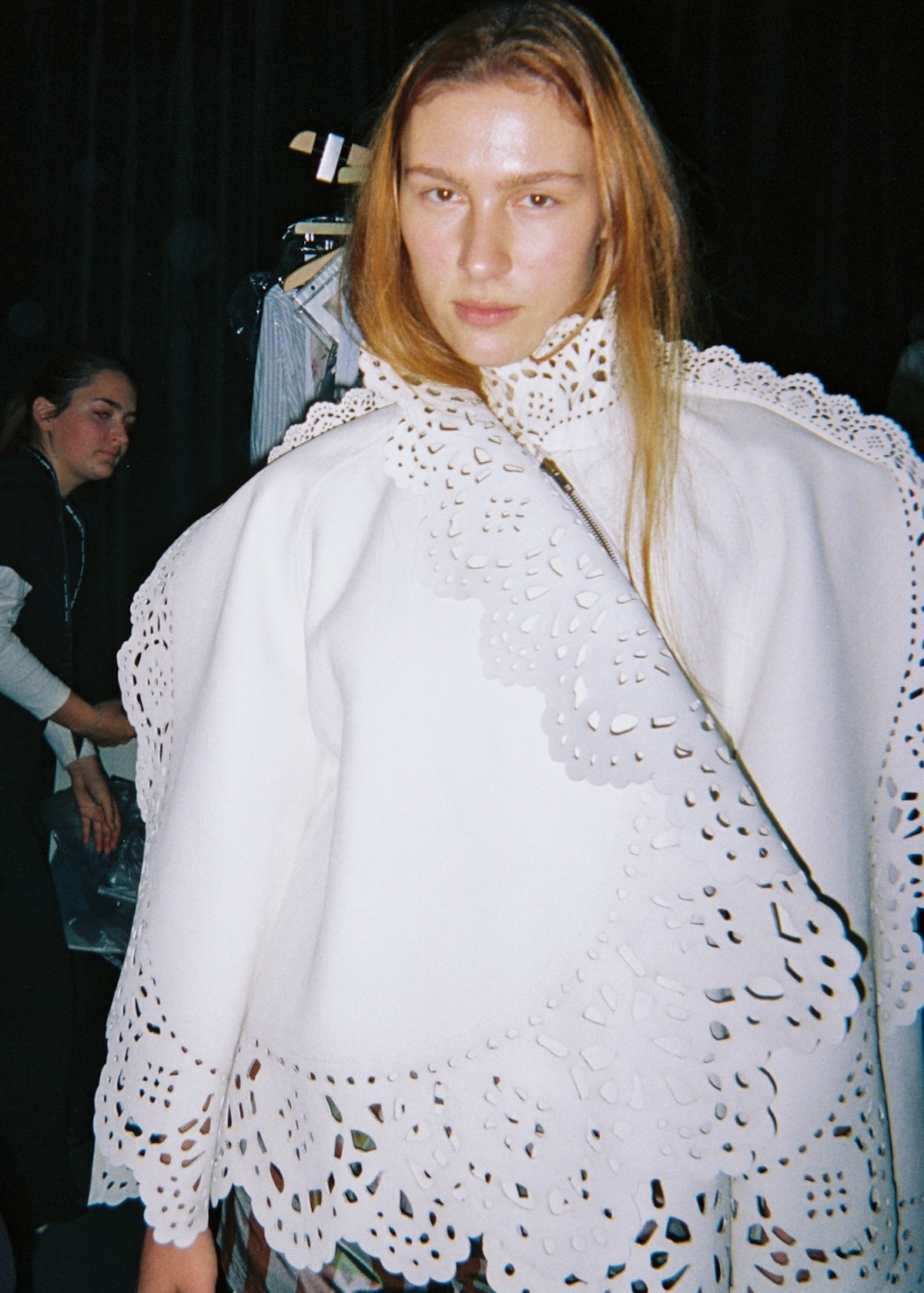
Kelig Trésallet’s Paris-Brest looks as good as they would taste. Inspired by the goûter, an afternoon ritual she shared with classmates at HEAD, the collection centers on the flavors and aromas of pastries, translating them into a feminine wardrobe where structured elegance gradually loosens. A knitted coat takes inspiration from blueberry cake, its textured surface resembling fruit scattered through the pastry. Another look draws inspiration from the paper doilies beneath pastries, combining laser-cut details with delicate lace. A white knitwear top appears baked to perfection, with the edges slightly burnt, like brioche fresh out of the oven.
The most fascinating piece is a burgundy pencil skirt literally dipped in caramel. “I didn’t want to make it too serious because I just wanted to enjoy myself,” Trésallet explains.
Fiona Giazzi
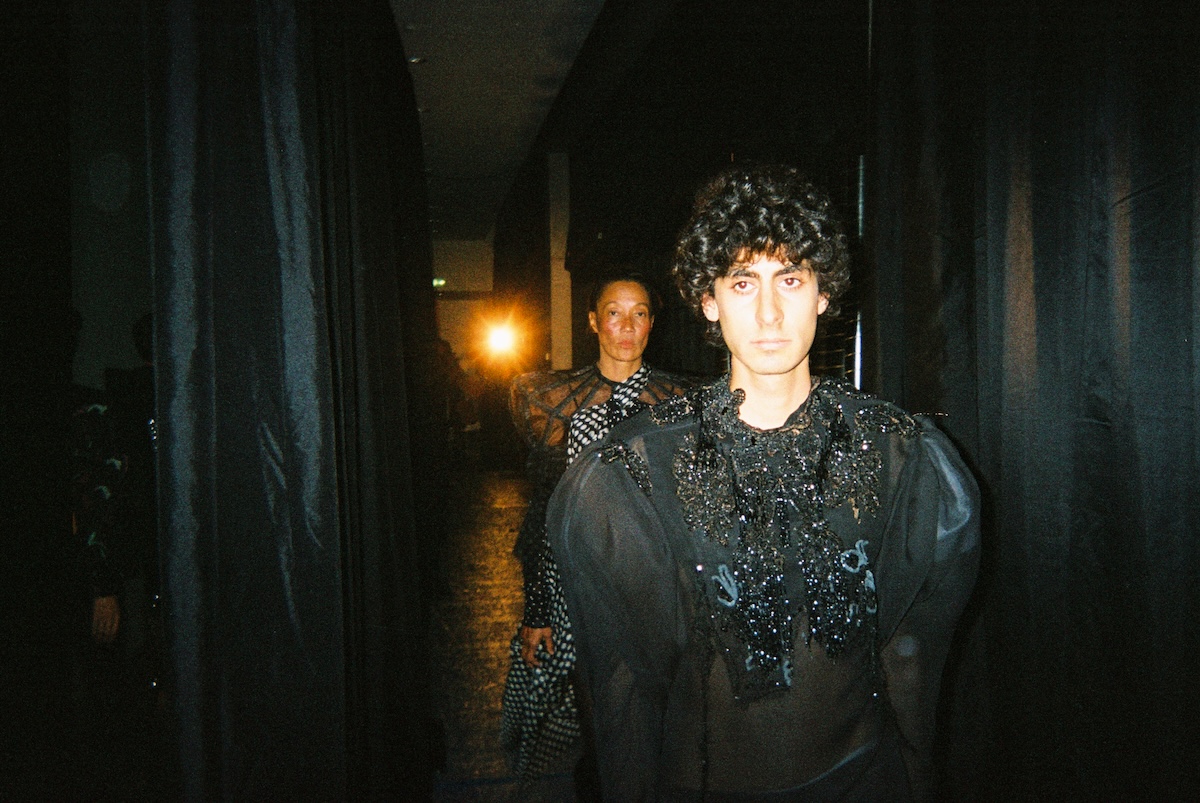
For Fiona Giazzi, mourning isn’t necessarily about losing someone, but about losing a part of oneself. In Threshold: Ruptured Surfaces, she draws on family memories and historical dress to explore how clothing can preserve traces of the past. Childhood peonies bloom across intricate embroidered surfaces, while her grandfather’s striped shirt and her grandmother’s fascination with nineteenth-century dress inform the collection’s textile experiments and exaggerated silhouettes.
Architectural shoulders, asymmetric draping, and exposed structural frameworks give the garments an almost skeletal quality. For Giazzi, the fragility of these pieces reflects the memories they carry. “It’s beautiful, but you have to take care,” she says.