The Many Faces of Her: Inside Morgan Maher’s Sophomore Photo Book
Art — 24.11.26
Words: Alexia Christe
Photography: Morgan Maher
What happens when the muse is given the freedom to play her own leading lady? Everybody Loved Her, Everybody Wanted Her brings viewers into LA-based photographer Morgan Maher’s sexy, glamorous, film-grainy world of femininity, fantasy, and multiplicity. Offering an intimate glimpse into her cinematic sensibilities, womanhood is hers to uncover, construct, and perform.
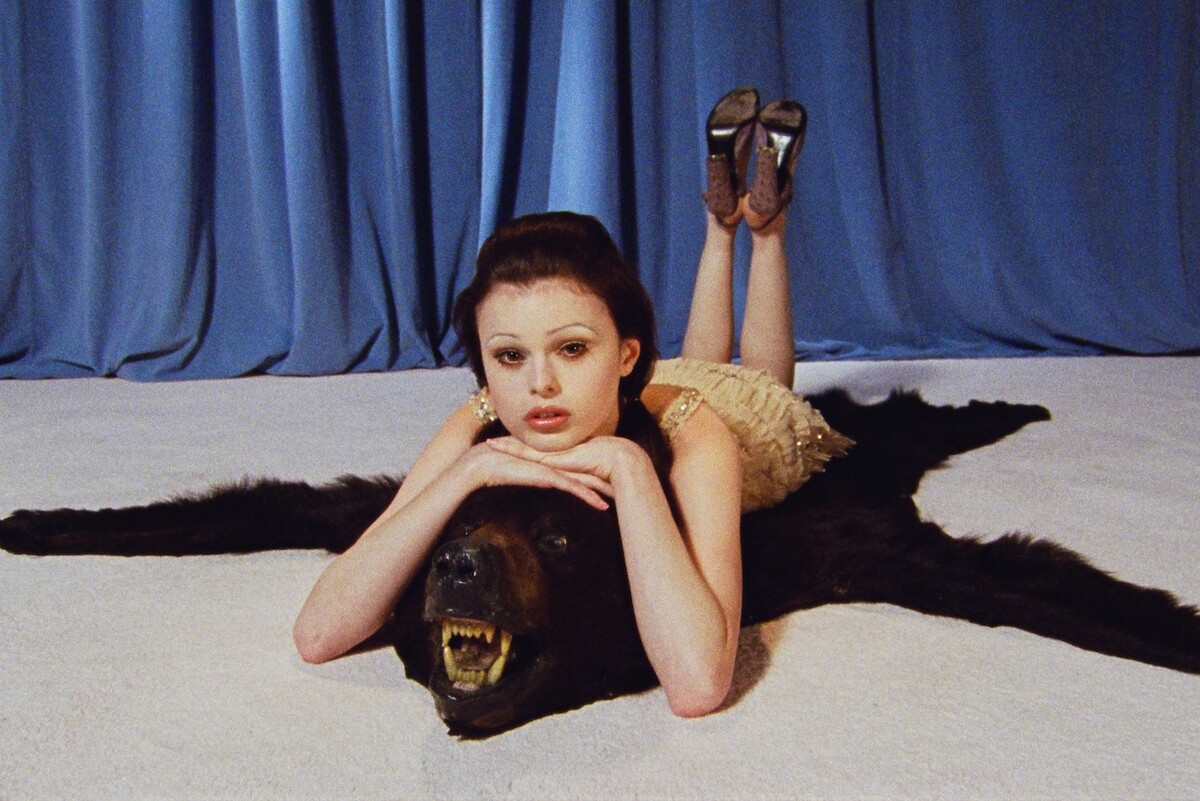
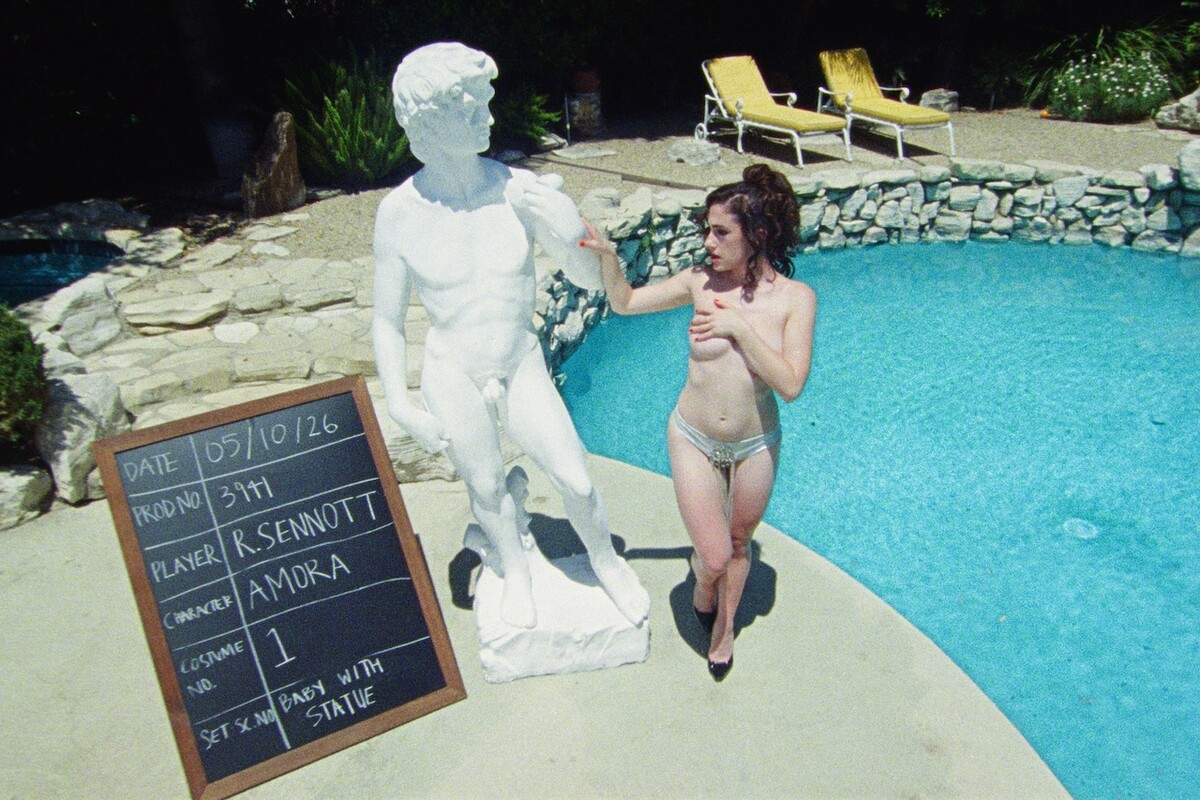
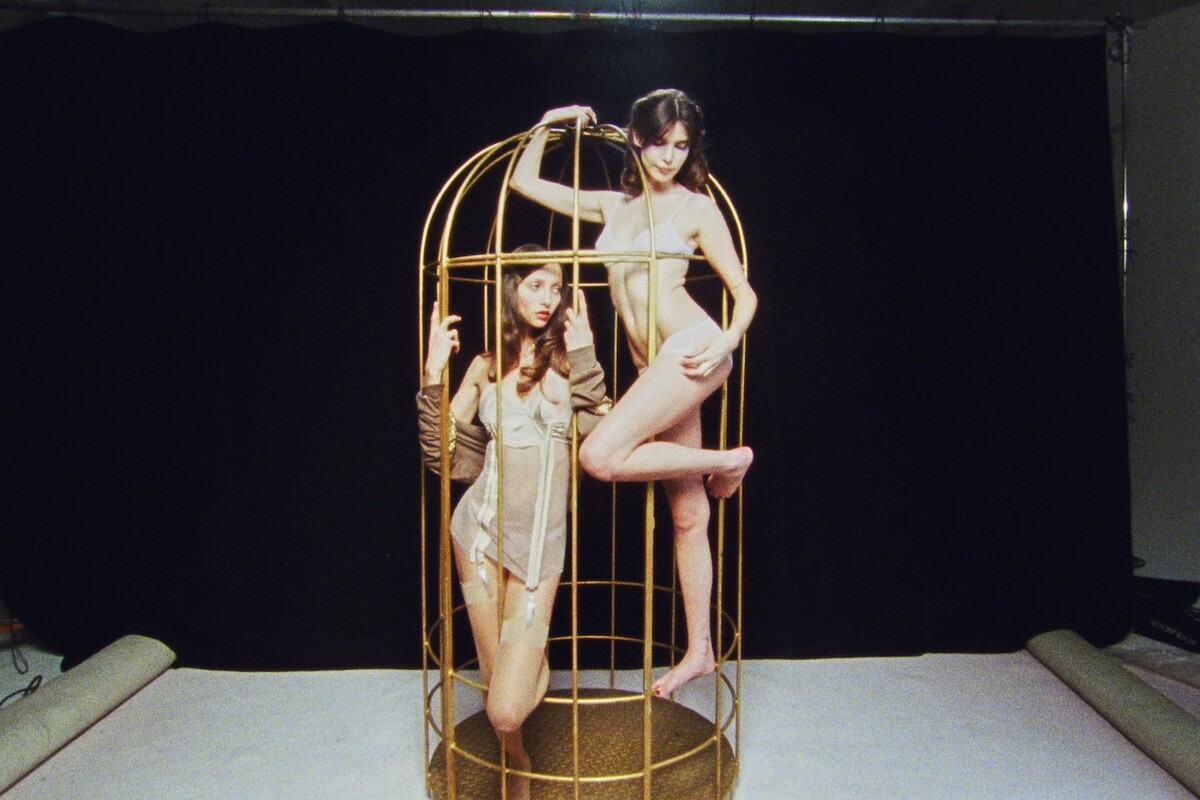
Centered on the ever-evolving image of the modern muse, Maher, an It Girl in her own right, captured 38 iconic women on 16mm film across a variety of sets. Colorful studio backdrops, continuous lighting, outdoor cityscapes, a few cheeky cigarette shots, and behind-the-scenes film slates all play up this cinematic narrative.
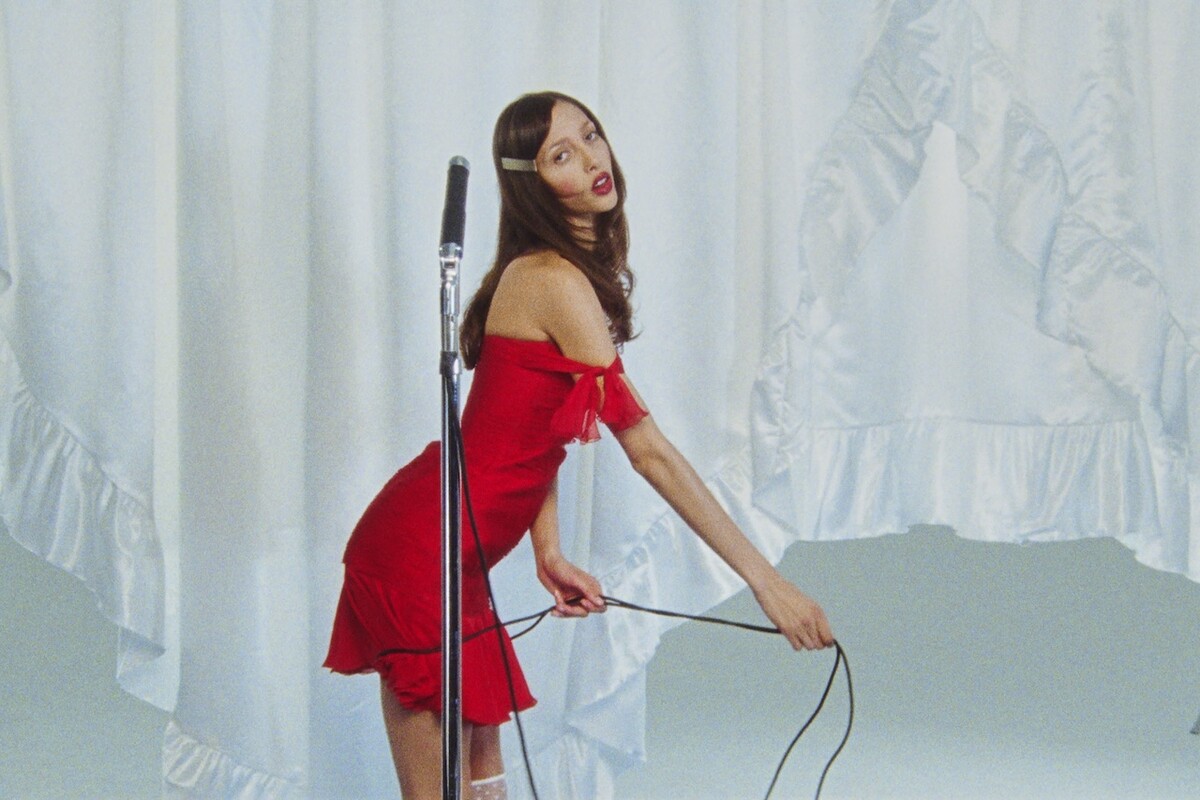
Having previously worked at Marc Jacobs, Maher is no stranger to fashion editorials and the pleasure of playing dress-up. In her world of girls, a little Hollywood fever is nothing to fret over—instead, it’s romanticized and encouraged throughout the pages.
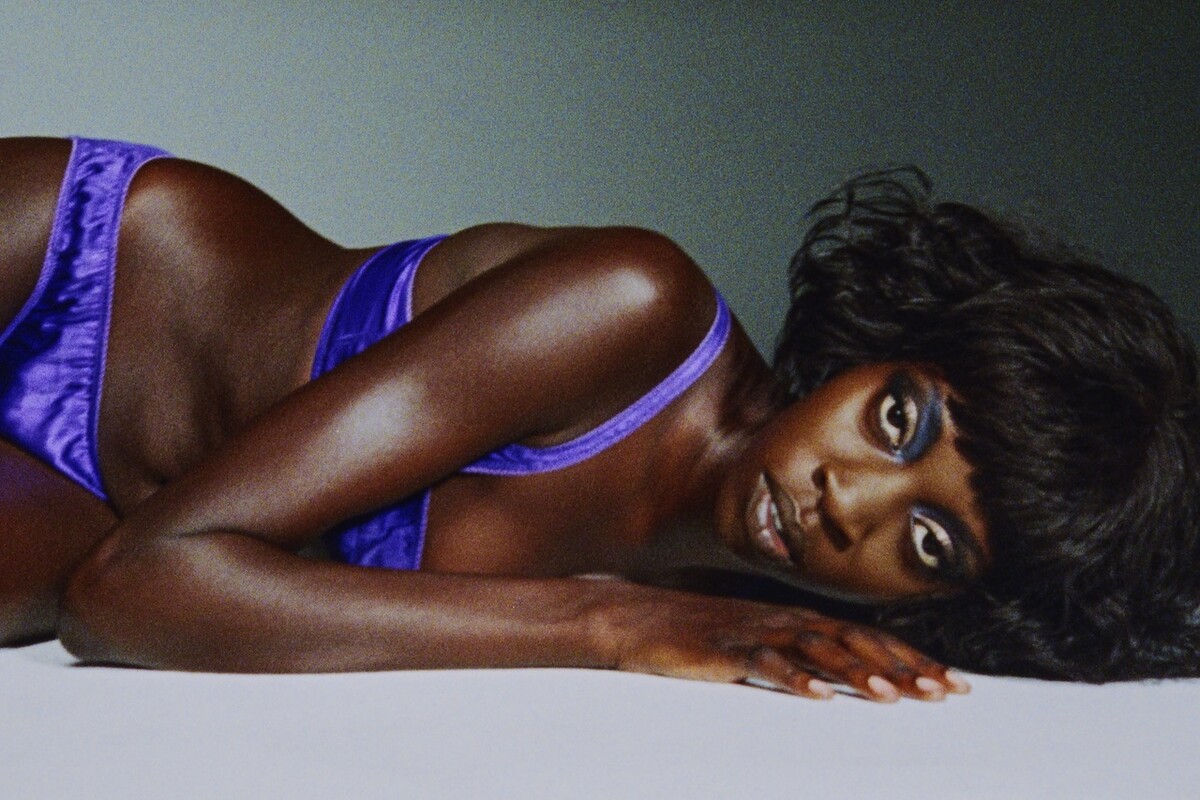
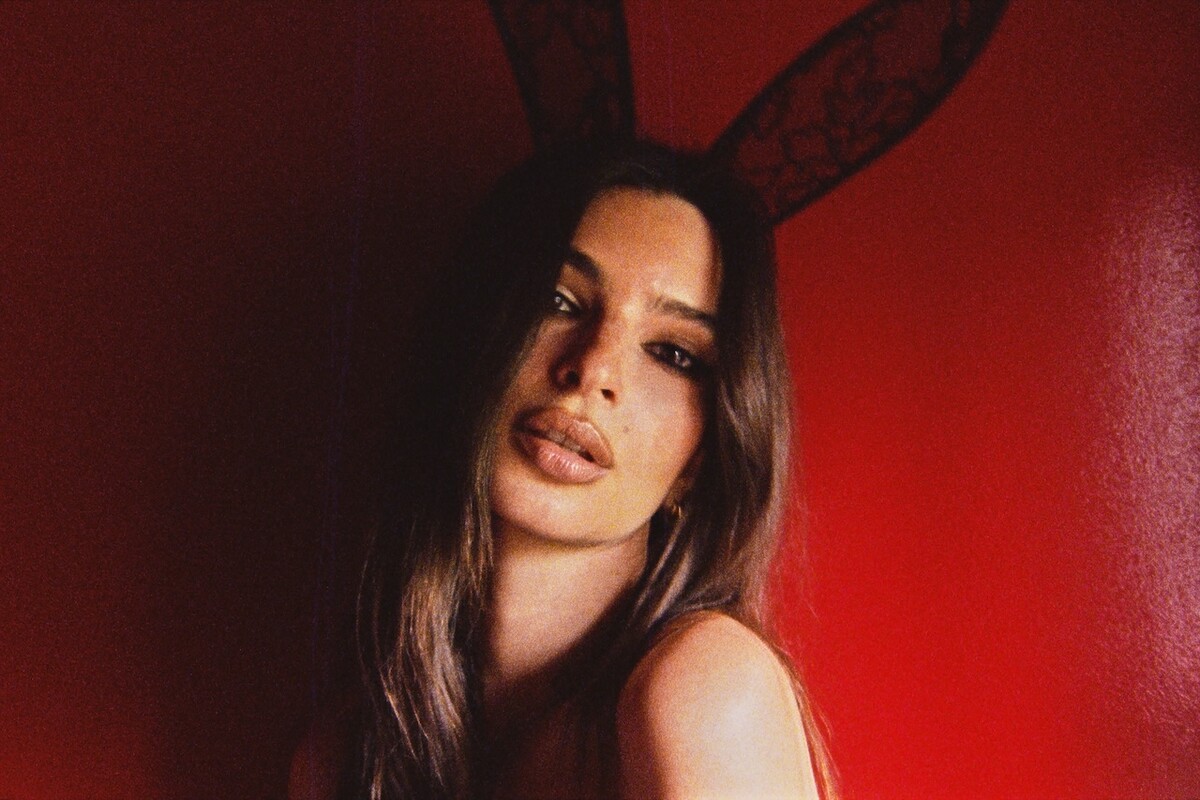
Women you already know and love (or soon will) populate the 350-page book, published by Friend Editions. From Clairo, JT, Rachel Sennott, and Emily Ratajkowski to model extraordinaires like Yasmin Wijnaldum, Secret Snow, and Alana Champion, each character is done up and enveloped in a Warholian, film noir-like haze.
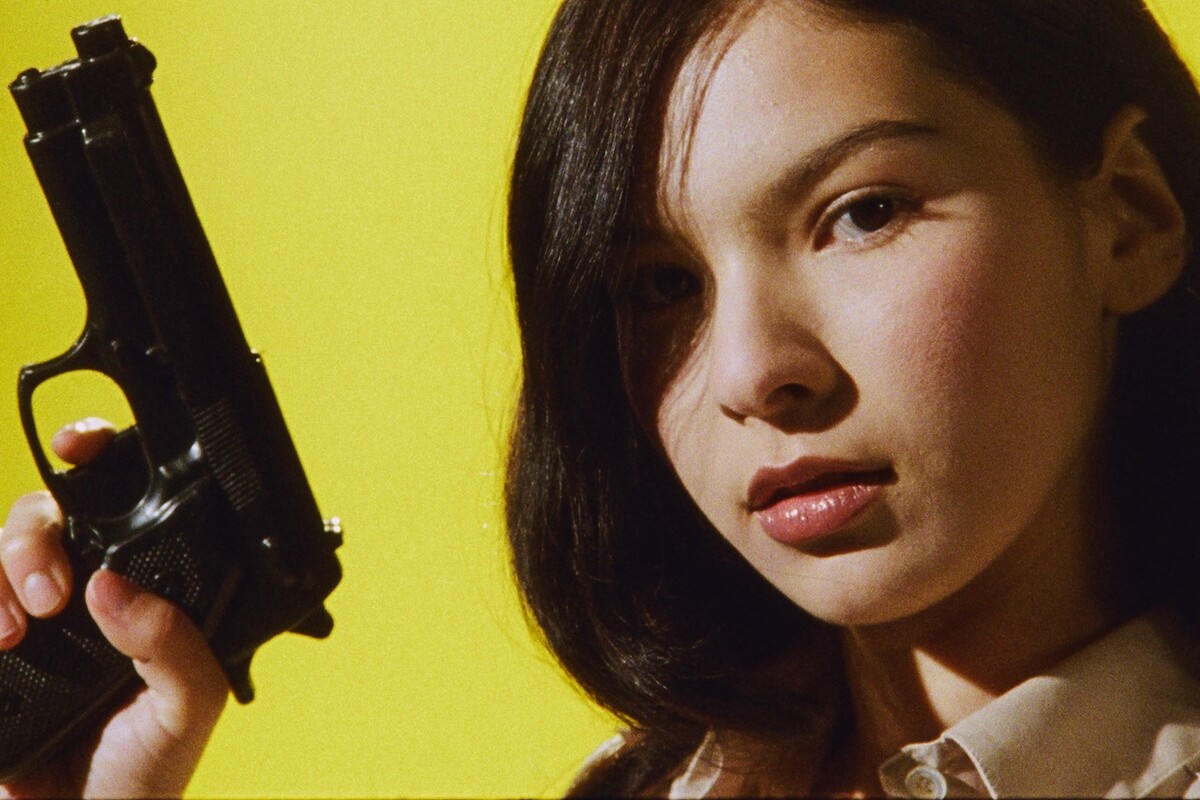
Standout shots include an extreme close-up of Scarlet White with her doll-like eyelashes; actress Lily Chee, sporting braids and a floral slip dress, daydreaming with none other than baby chicks in her hands; and fashion designer Sofia Testino posing with a gun against a stark yellow seamless backdrop, Corleone-style.
Scenes featuring Lexee Smith and Sennott are vulnerable without veering into voyeuristic eroticism. Maher seems to have perfected the art of capturing a woman in her rawest form, if only for a fleeting moment, evoking the small, unguarded gestures we share with friends, lovers, or even ourselves every day.
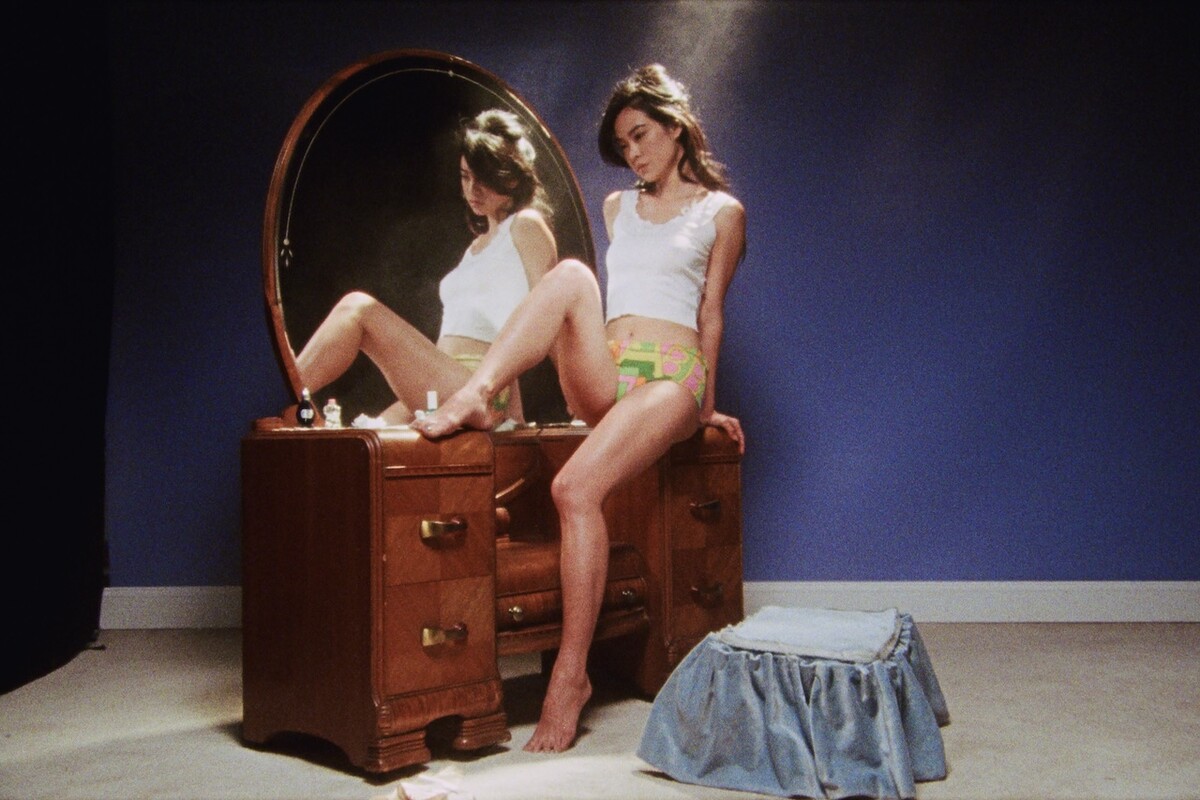
Luckily for us, Maher’s personal relationships with her subjects bleed into the photographs, making each set feel at once dramatized and deeply intimate. Through the occasional odd angle, photographs in motion, free-flowing poses, or the slight upward curl of a subject’s lips as she tries not to crack a smile, the work feels organic—as though we’re seeing the finished product and its making all at once.
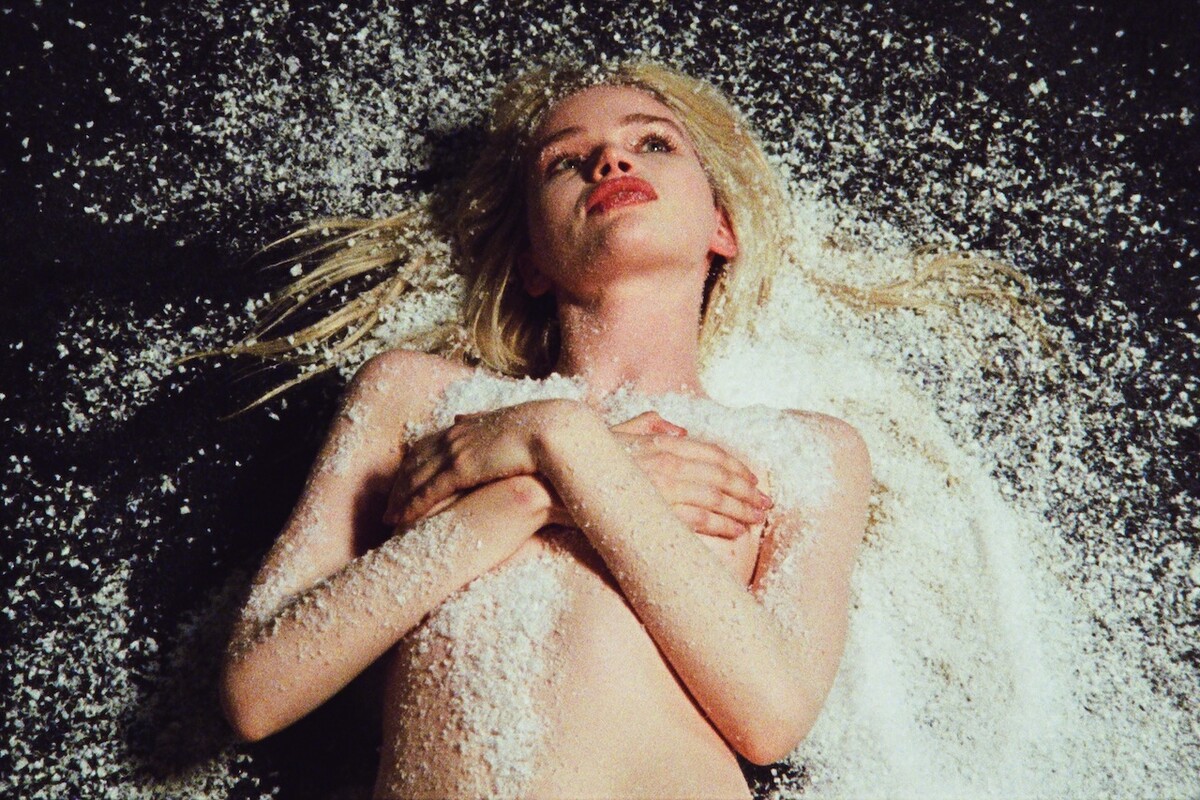
Like girlhood itself, the performance and experience of it all are never quite over. And in Maher’s woman-filled universe, neither is the pursuit of capturing it. We spoke with Maher about her screen-test-inspired photo book, the evolution of girlhood, and what it means to build a visual language around the women who shape her.
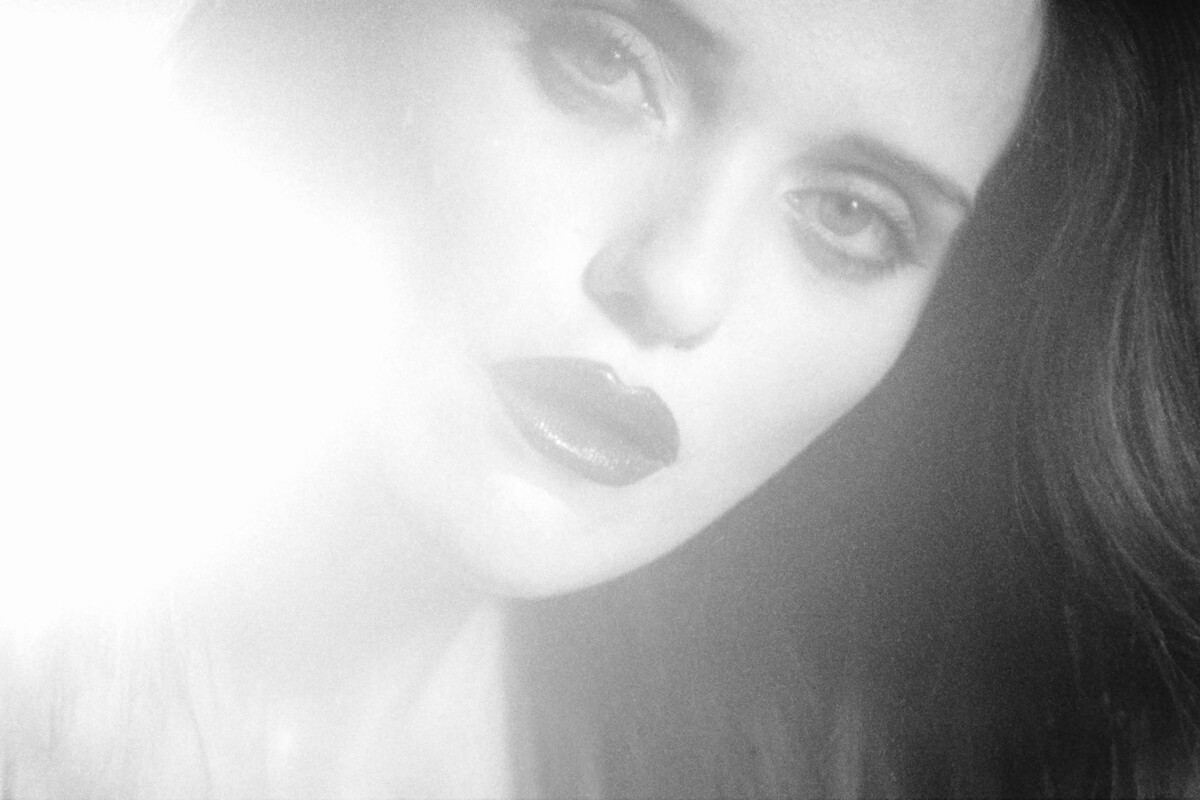
Like girlhood itself, the performance and expression of it never quite comes to an end. And in Maher’s feminine-filled universe, neither is the pursuit of capturing it. Below, we speak with Maher about her screen-test-inspired photo book, the evolution of girlhood, and what it means to build a visual language around the women who shape her.
TEETH: You’ve described how your journey into photography began with taking photos of your favorite outfits in middle school to make getting dressed easier. Fashion, whether intentionally or inherently, plays a major role in how women express their identities and shape their perceived personas. With that in mind, were there intentional choices behind the costuming of each woman’s character?
MORGAN MAHER: Photography was the first way I understood how to make sense of the world. From a young age I used the camera as a tool to organize my thoughts and ideas. I fell in love with the glamour in John Casavetes’ films. In those films there is a beautiful marriage between the cinematography, lighting, hair, makeup, and costume. My goal with this project was to create a world, where these women are a heightened and enchanted version of themselves, while not looking like they are in a costume masking who they are as a person.
This is your second photo book, and there’s an incredible variety and fluidity to its formatting. What did you learn this time around about layout and the role of visuals in storytelling?
In this project, I set out to make a film that lives in a book. It was a backwards way of working, I believed so deeply in the idea. I thought about organizing the girls in chapters, but when I started to play around with it, I loved that every girl had such a unique identity, but they lived in the same universe.
You’ve made the bi-coastal move from New York City to Los Angeles. Knowing that Hollywood serves as an anchor of inspiration for this project, have you always been drawn to its aesthetic, or did your move to the West Coast ignite something new?
I had never spent time in L.A. before I made the move, but when I visited I was instantly fascinated. It was a new world, and blank slate for me, that I could suspend my fantastical ideas of Hollywood in.
Do you have any favorite on-set stories from these shoots? Did anyone in particular really lean into their character’s trope?
I get really caught up in specific songs in certain parts of my life. My friend showed me Robin Gibb’s “Kathy’s Gone” which is something…my dad would listen to. It’s so fun now, because that song will come on shuffle, driving around LA with my girlfriends…and they all sing along with me now. and all my friends know the words to it now.
Your photography spans commercial, editorial, and, of course, more vulnerable, personal work like this. Is there a through-line connecting it all? How does creating a photo book with women you’ve previously photographed differ from working in a commercial setting.
Wherever I am, I have fun. I have just as much fun on a commercial project as I do on a personal one. With this book, it was incredibly nerve wracking and satisfying to collaborate with women who have been so pivotal to my growth, and have them trust me to build our own world together.
Your work captures femininity in such a beautifully raw and vulnerable way. Do you see pieces of yourself in your photographs, or is it more about capturing each subject’s unique identity and mood?
There is an abundance of trust in the work, it’s an honor to be able to create with women I admire. I try to offer as much of myself to the moment, as whoever is in front of my lens. I find a magical exchange happens on set, the work feels like I am suspending a split second in time, as it does autobiographical.
Being a woman often means being hyperaware of perception, beauty, and aging. Has your approach to capturing girlhood evolved as you’ve grown older?
I am very aware of situations where I feel more capital G Girl, and more capital W Woman. It is very important to me, to preserve the honesty and interests I had when I was growing up, and allow myself grace while I am figuring out who the Morgan Woman is. Our entire lives, we have consumed tales of how to be a woman…I like to consider how much of womanhood is inherited, imagined, or performed.
What makes a modern muse, an It-girl, or, in your iteration, “her”?
I am inspired by women who are ambitious, unapologetic and honest.
Everybody Loved Her, Everybody Wanted Her is out now via Friend Editions.