At Milan Design Week, Senses Take Shape
Art — 27.04.26
Words: Liz Bautista
Every year, people gather at Milan Design Week to discover the best and what’s next in design. The fair unfolded over six days, structured around two key moments: Salone del Mobile at Rho Fiera, showcasing leading brands and emerging innovations, and Fuorisalone, a network of exhibitions and events spread across the city.

Courtesy of Aesop
This MDW, designers seemed to be responding with greater intention. The focus is shifting toward presentations that reconnect us to the body and the physical world, and experiences that activate all five senses, inviting us to see, hear, touch, taste, and smell beyond the algorithms and beyond the screen.
As we move deeper into digital saturation, where visual stimuli are constant, accelerated, and often unsolicited, it was refreshing to encounter moments that leaned into the sensory, centering the importance of engaging the body when it comes to good design.
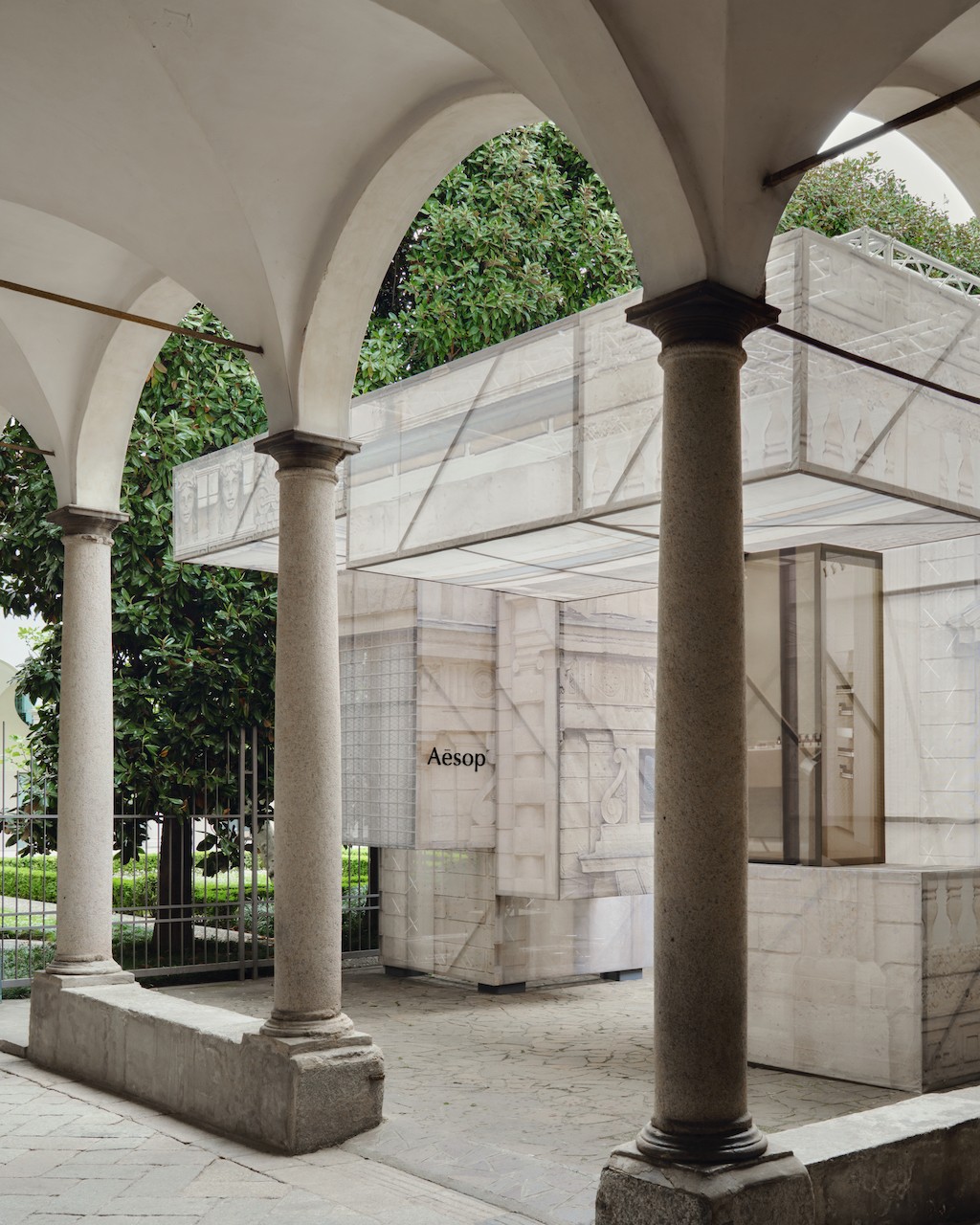
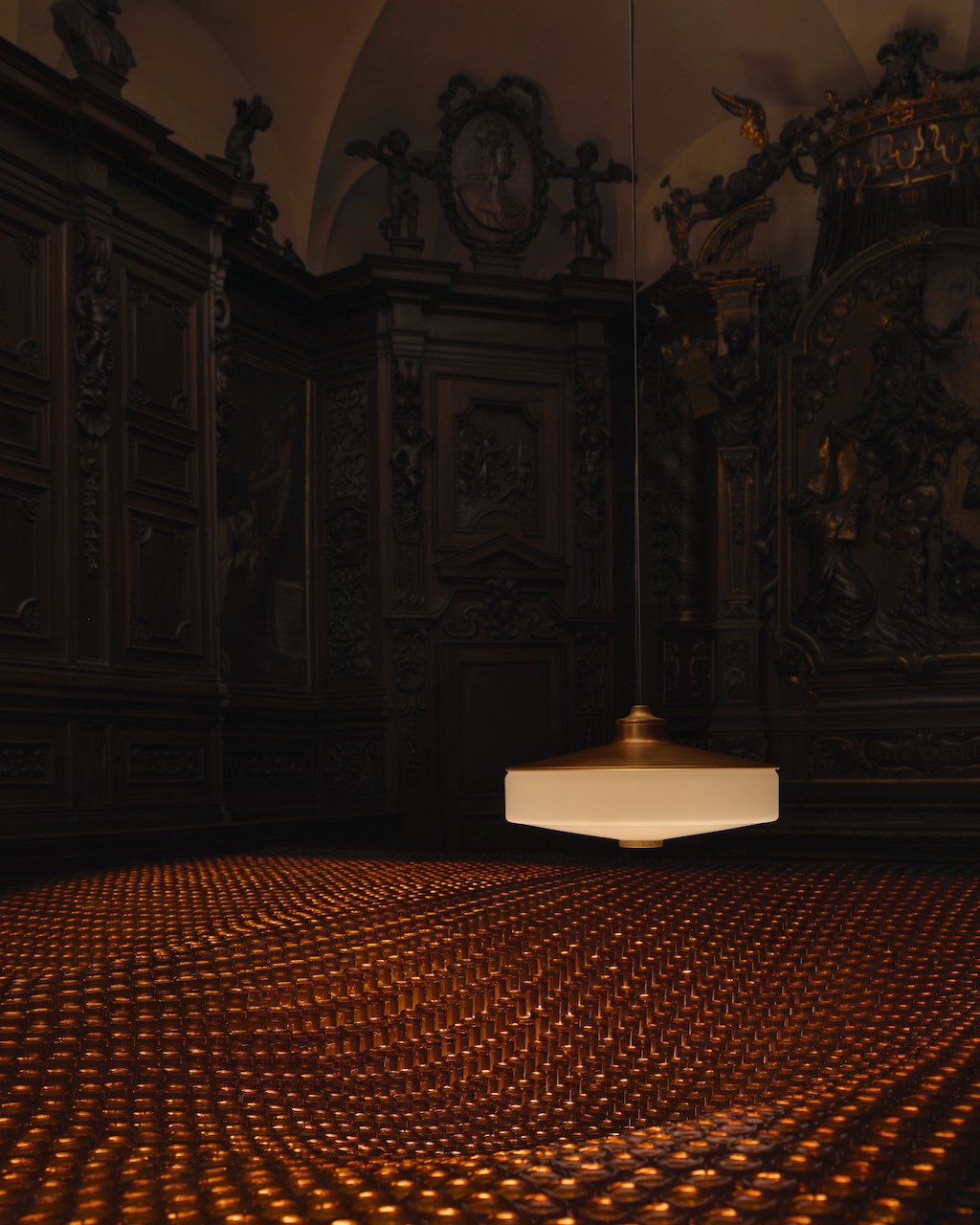
Aesop Finds the Light
-
- Courtesy of Aesop
A Radical View with Italian Radical Design

Courtesy of Italian Radical Design
Three houses, one distinct vision. The Italian Radical Design group brought together design powerhouses Gufram, Memphis Milano, and Meritalia into a shared experimental laboratory for the first time. Moving away from traditional presentations and the usual division of brand spaces, the project allowed the three houses to inhabit a single environment with a sense of freedom, resulting in a generous, immersive vision.
From Object to Atmosphere

Photography by Liz Bautista
Founded in 2018 by creative duo Edoardo Pandolfo and Francesco Palù, 6:AM Glassworks is a design brand rethinking Murano glassmaking through a contemporary lens, blending heritage craftsmanship with continuous experimentation, research, and material exploration. For MDW, the studio presented OVER AND OVER AND OVER AND OVER, not only an exhibition of its works but an expanded activation in dialogue with Bar Pieno. Each evening, the space brought together a rotating program of chefs from across Italy, alongside editorial projects, book and story readings with magazines, and musicians.
Where Sound Became Design
-
- Courtesy of Slalom and ASICS/Alessandro Saletta
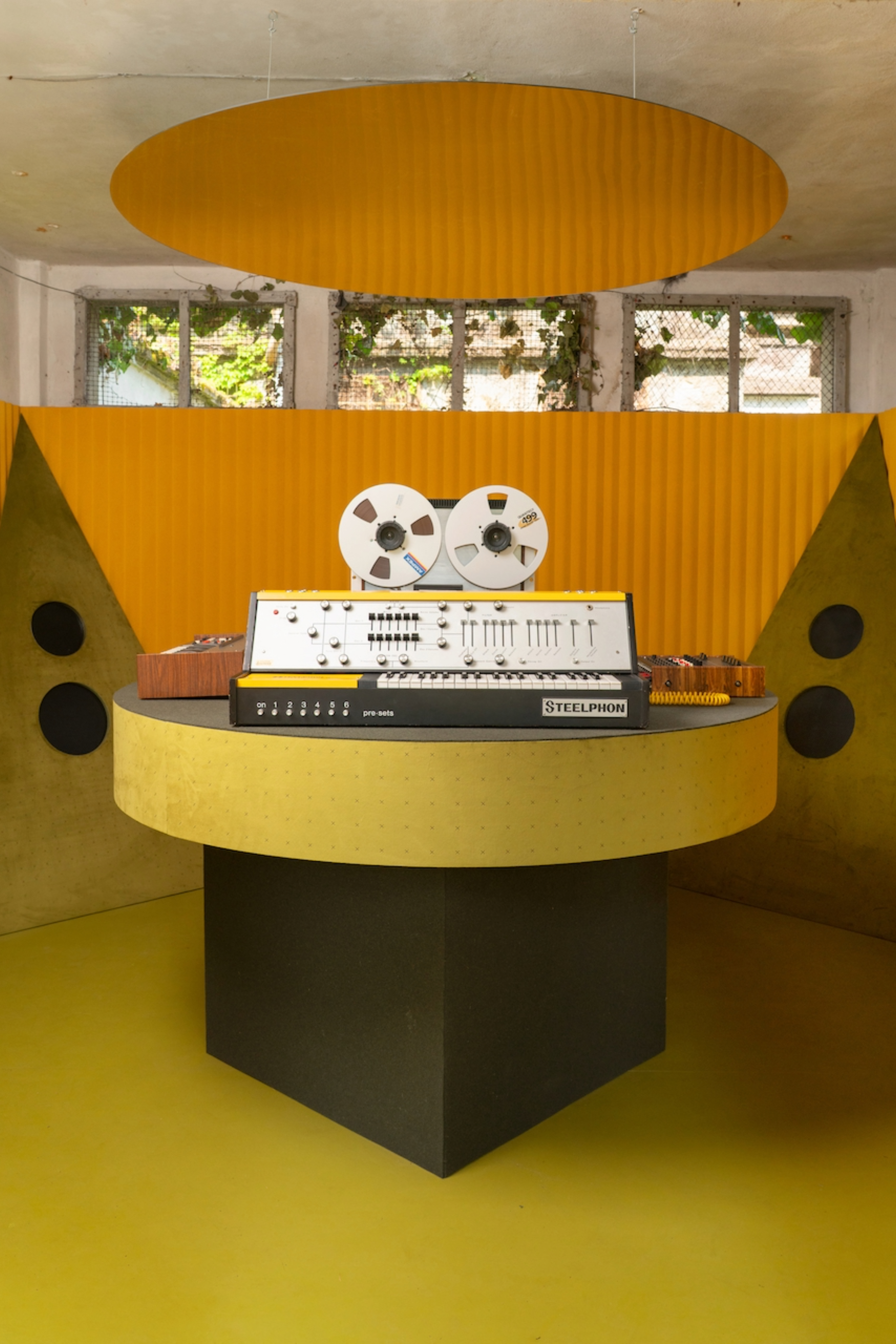
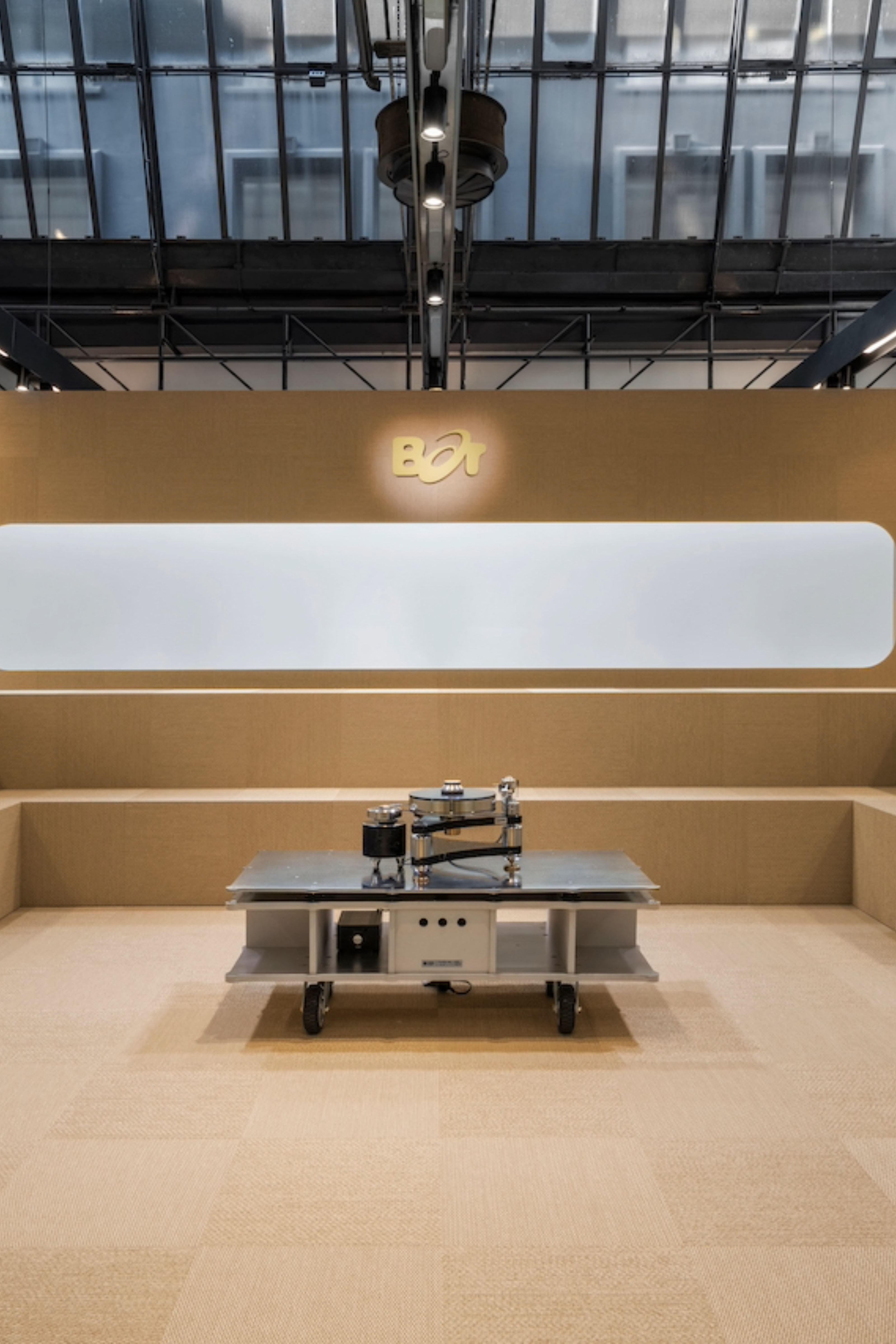
At the Baggio Military Hospital, Slalom presented Felt Frequencies, an audiovisual experience built around an eight-day jam session curated by Swedish musician and producer Pontus Berghe of Vintage Audio Institute. The installation, designed by Studiolatte, showcased Slalom’s sustainability-informed, sound-absorbing walls. Meanwhile, in the city center, music and food set the tone at Garage 21 with ASICS’ Kinetic Playscape, where Mateo Garcia curated the music programming for its Milan Design Week pop-up. His approach aligned with the brand’s philosophy of movement, energy, and emotional connection, with listening sessions featuring sound artists Koo Des, Thuono, and Marta Oliva.
Textured Craft by the Shakti Design Residency

Courtesy of Shakti Design Residency
The Shakti Design Residency bridged Indian artisanship with a global design language. Presented at Alcova Milano during Milan Design Week, it brought together cross-cultural collaborations where texture played a central role. A brass pendant by architect and designer Rodolfo Agrella with Vikram Goyal Studio featured a rhythmic surface. A bench by Maria Tyakina and Heirloom Naga Centre kept the material in its natural state, unpeeled, with knots, color, and charred marks preserved. Also with Heirloom Naga Centre, a table by Tadeáš Podracký was hand-carved from locally sourced wood. Daniel Garber of Studio Noff and Klove Studio explored the link between indigenous material knowledge and everyday tools. Finally, Victoire de Brantes with Jaipur Rugs presented a hand-knotted wool and bamboo silk rug with modular low elements functioning as both tables and seating, creating a tactile, communal experience.
The Art of Bread

Courtesy of Uzbekistan Art and Culture Development Foundation
Uzbekistan has a rich bread-making tradition, a heritage highlighted in When Apricots Blossom, presented by the Uzbekistan Art and Culture Development Foundation and curated by architect Kulapat Yantrasast. Shortlisted for the Fuorisalone Award 2026, it became one of the festival’s must-see presentations, reinterpreting tradition while bridging food, craft, and contemporary design language. The foundation brought together a curated group of designers and artists including Bethan Laura Wood, Bobir Klichev, Didi NG Wing Yin, Fernando Laposse, Glithero, Marcin Rusak, Nifemi Marcus-Bello, Raw-Edges, Sanne Visser, Sevara Haydarova Donazzan, and Studio CoPain.
Viewpoint Modernism

Courtesy of Ania Jaworska
The Visteria Foundation hosted a new exhibition at the iconic Torre Velasca. Titled Polish Modernism: A Struggle for Beauty, it explored how modernist ideas continue to shape contemporary Polish design culture through a dialogue between historical works and new designs. Among the highlights was a table by Chicago-based architect and educator Ania Jaworska, featuring vertical pegs and no tempered glass top. At first appearing impractical, it ultimately rethinks how a piece can be used and experienced beyond conventional norms. From the exhibition floor, a panoramic view of the city extended the experience beyond the works.