The ’90s Come Back Into Focus at Tate Britain
Art — 08.10.26
Words by Moe Wang
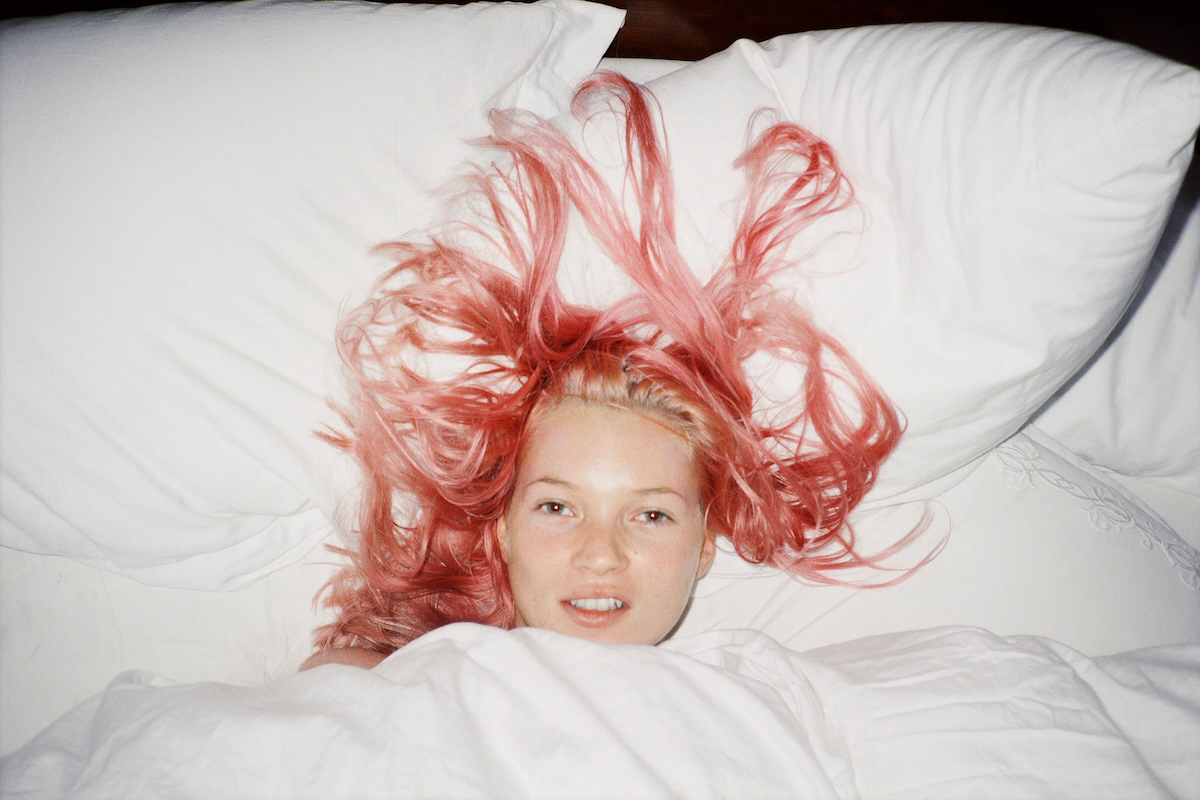
Young Pink Kate London, 1998 © Juergen Teller
The ’90s might be fashion’s most definitive decade. Its images, subcultures, designers, and attitudes continue to shape the way we dress and consume culture today—a legacy that takes center stage in Tate Britain’s latest exhibition, The 90s: Art and Fashion.
-
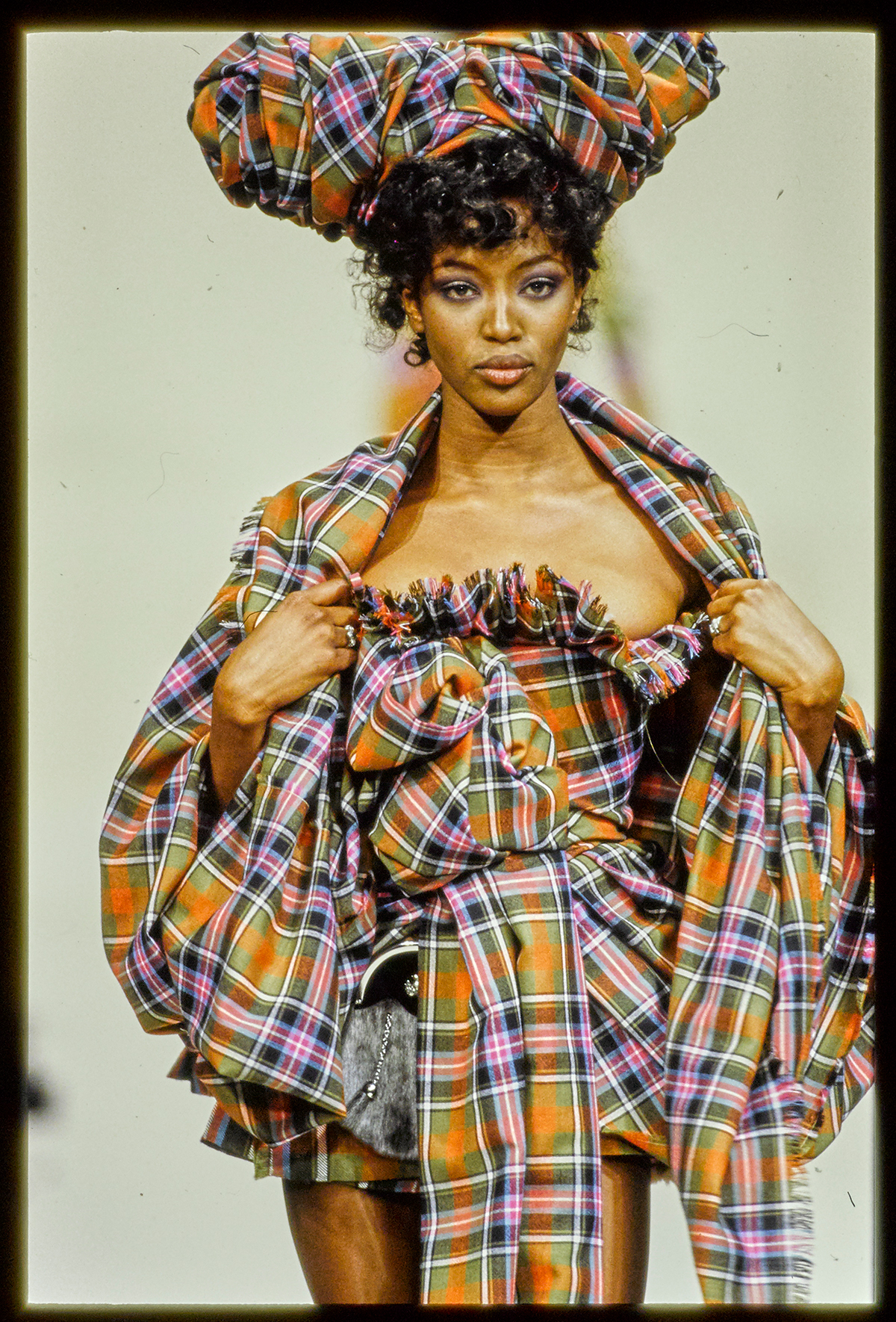
- Naomi Campbell models in Vivienne Westwood AW94 ‘On Liberty’. Photo Guy Marineau, Vogue © Condé Nast
-
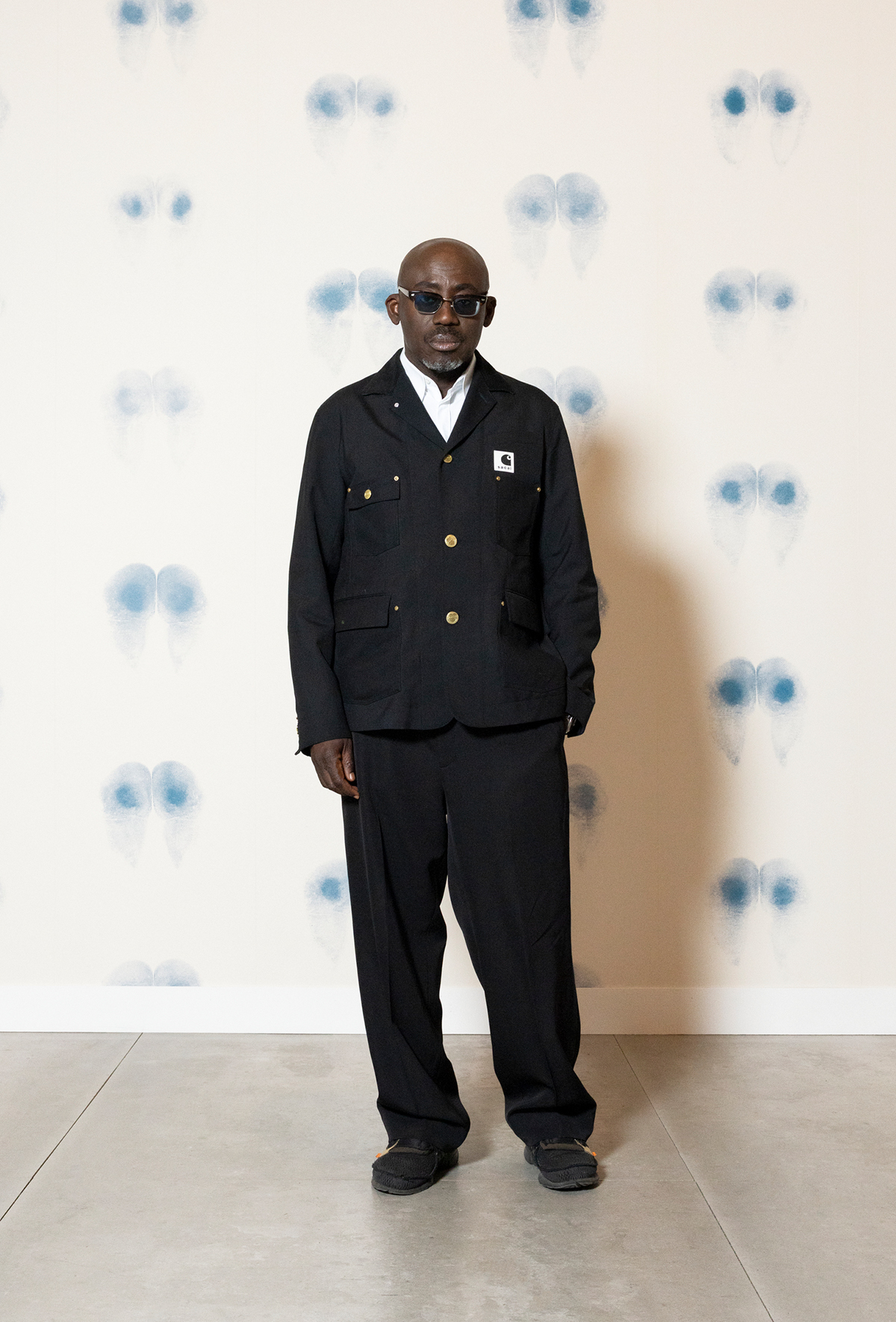
- Edward Enninful at the press view of The 90s: Art and Fashion at Tate Britain October 2026. Photo credit: Tate Photography, Oliver Cowling
Curated by Edward Enninful OBE, the exhibition is an ode to the art, photography, and fashion scenes that defined the decade. Emerging from the economic uncertainty of the 1980s, the period saw a surge of creativity driven by a new generation of young talent. Through the work of nearly 70 artists, photographers, and designers, the show traces a formative moment in British cultural history through Enninful’s own experience of the era.
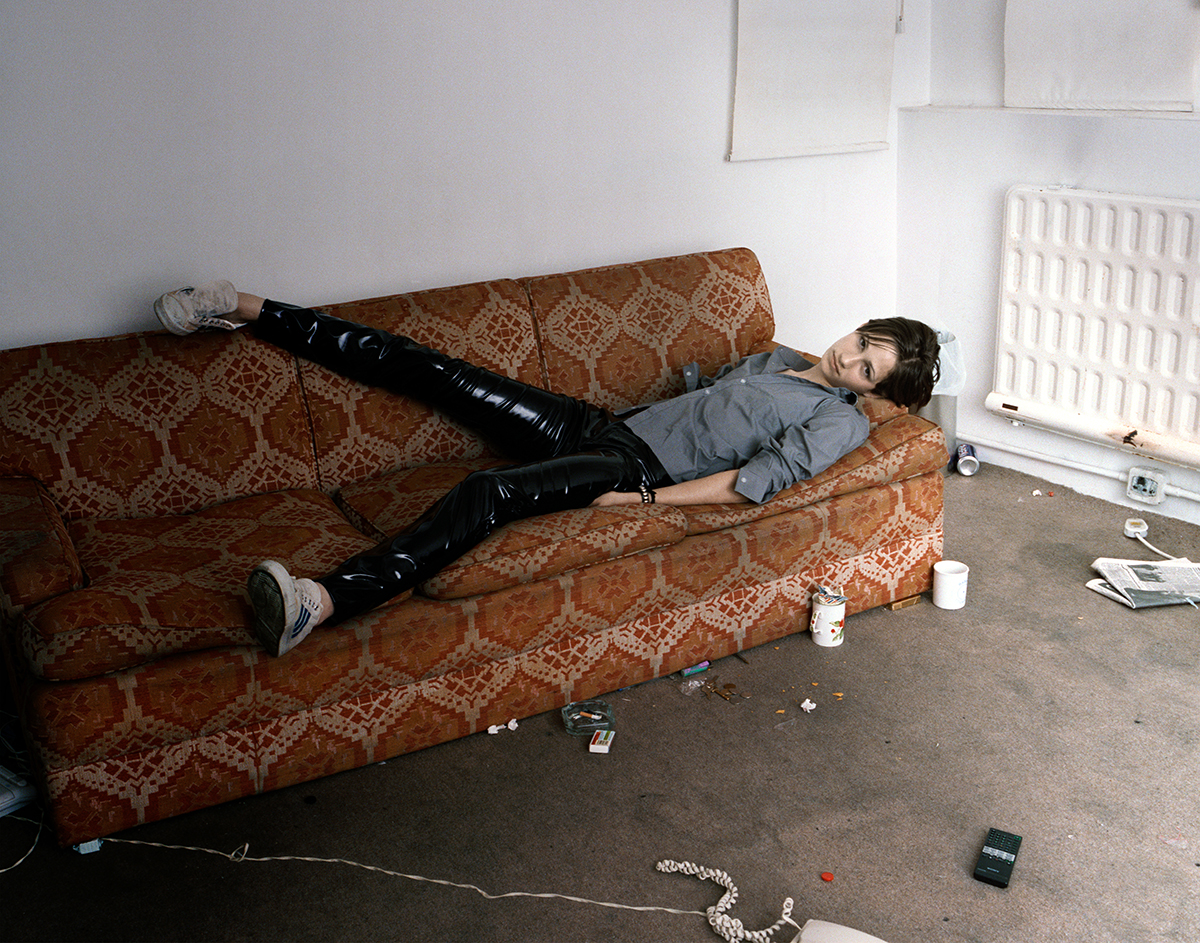
Corinne Day England’s Dreaming, The Face, August 1993 1993 (c) Corinne Day Estate.
Photographs by Corinne Day, Nigel Shafran, and Juergen Teller for boundary-pushing publications like i-D and Dazed & Confused capture the raw, imperfect energy of the generation. Artists similarly turned to the people and communities around them for inspiration, as seen in works by Barbara Walker, Jenny Saville, and Gillian Wearing. Elsewhere, provocative pieces such as Sarah Lucas’ Chicken Knickers (1997) confronted questions of agency, identity, and class with characteristic frankness.
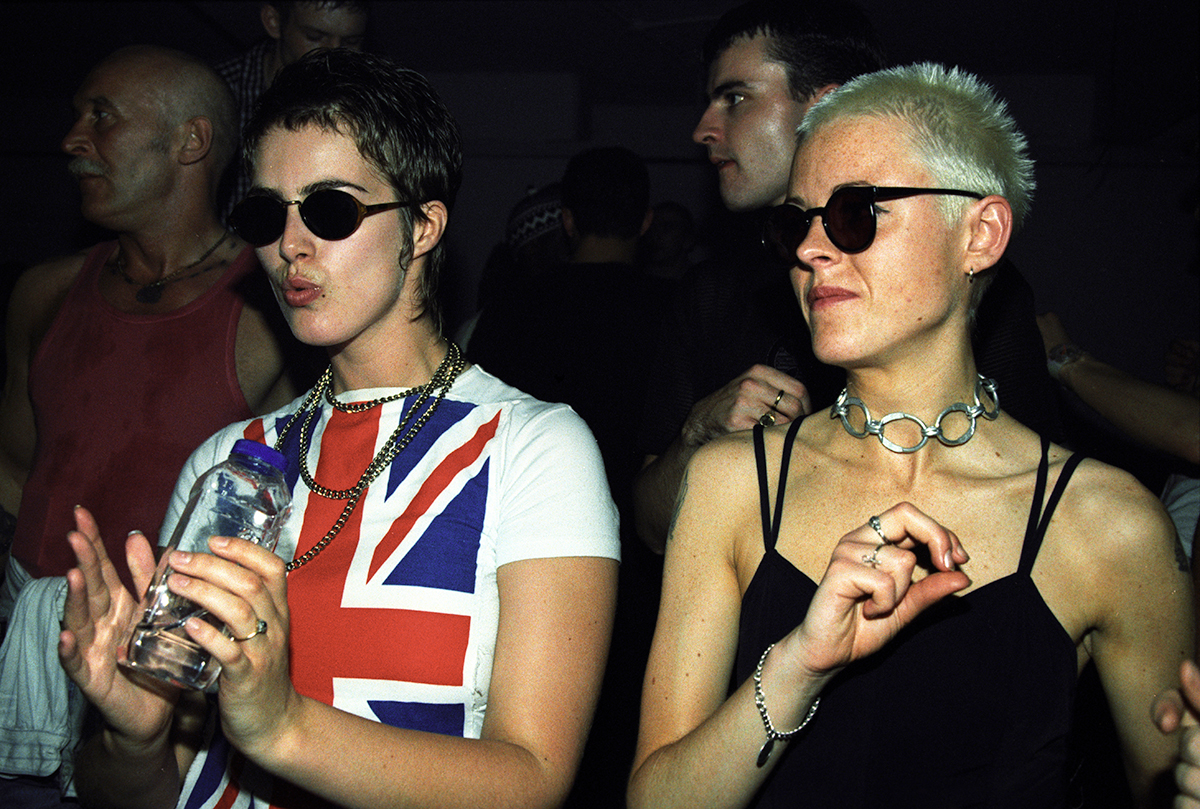
Jon Shard, Flesh at The Haçienda, 1996. Courtesy of British Culture Archive © Jon Shard British Culture Archive.
The decade’s nightlife and subcultures emerge through the film and photography of Eddie Otchere, Jon Shard, Elaine Constantine, and others, documenting club nights, raves, and free parties with a fleeting sense of freedom. At the same time, the AIDS crisis’s ongoing impact entered the work of artists including Hamad Butt, while a more uncanny minimalism took hold through Cerith Wyn Evans, Rachel Whiteread, and Gary Hume.
-
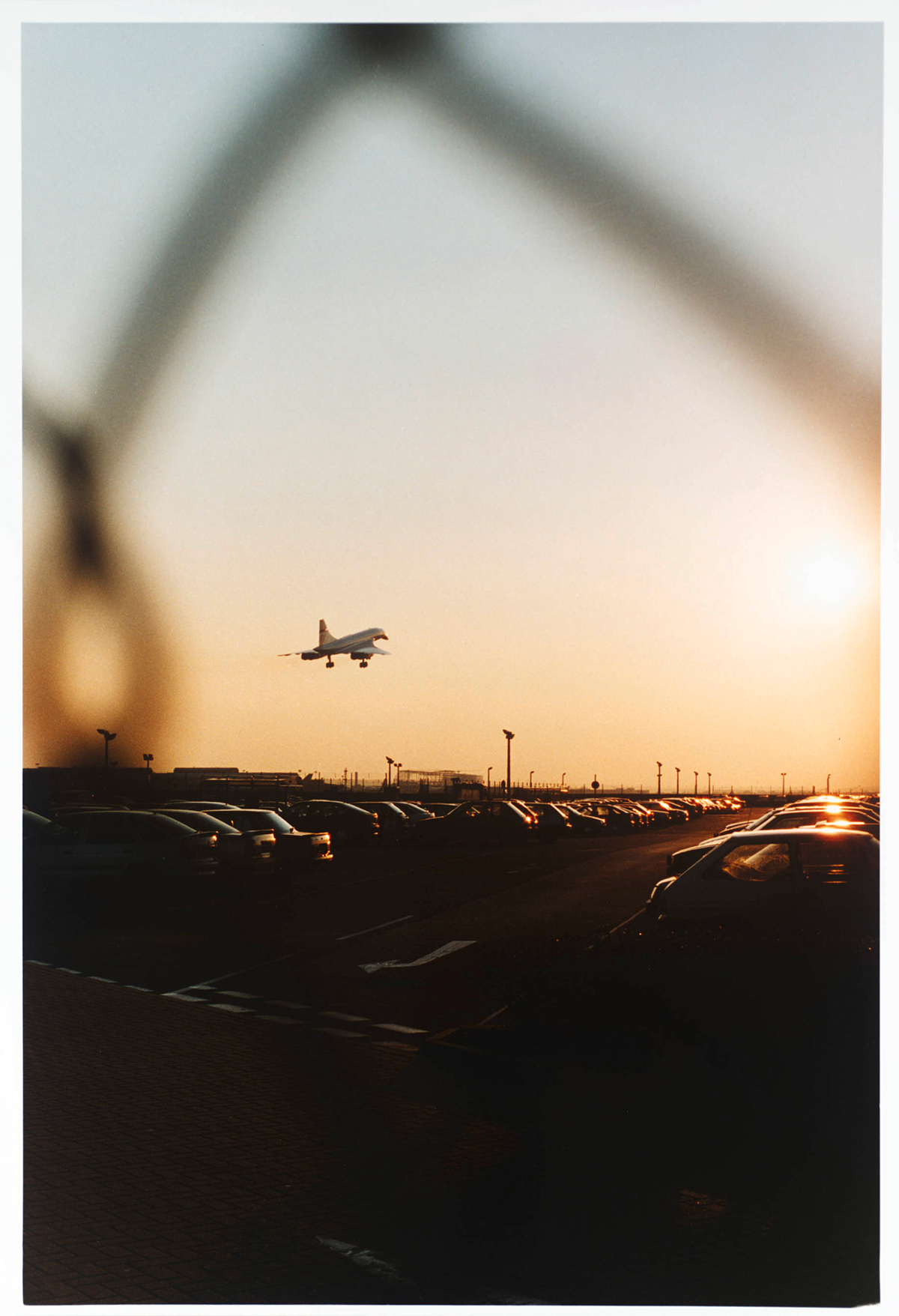
- Wolfgang Tillmans, Concorde Grid , 1997 © Wolfgang Tillmans, courtesy Maureen Paley, London. Tate.
-
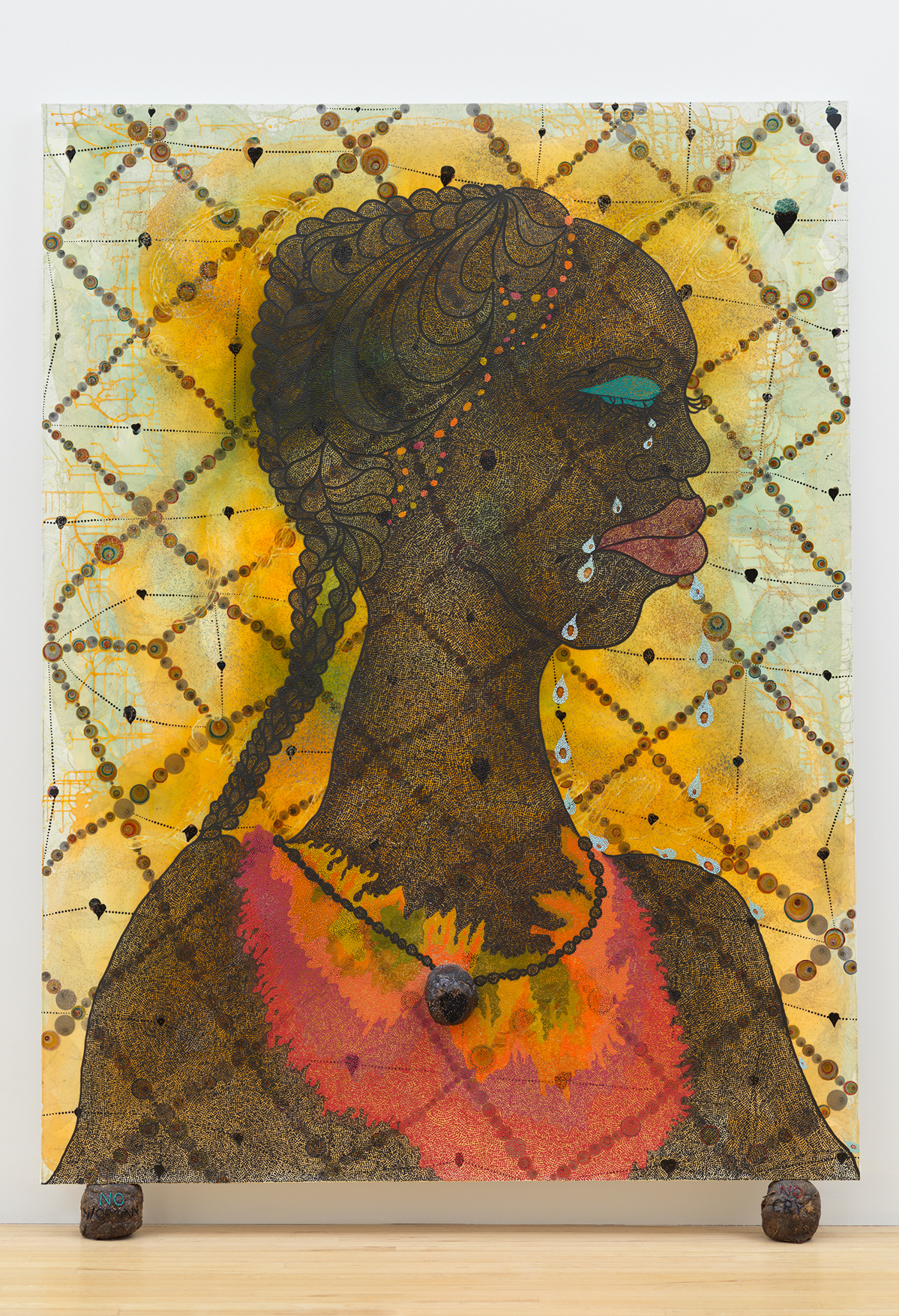
- Chris Ofili, No Woman No Cry 1998 © Chris Ofili, courtesy Victoria Miro, London. Tate.
Damien Hirst pushed against the notion of the artist’s hand altogether, turning to preserved animals, industrial materials, and clinical modes of presentation. As the millennium approached, Wolfgang Tillmans’ Concorde Grid (1997) captured the decade’s competing feelings of technological optimism and unease about what might come next.
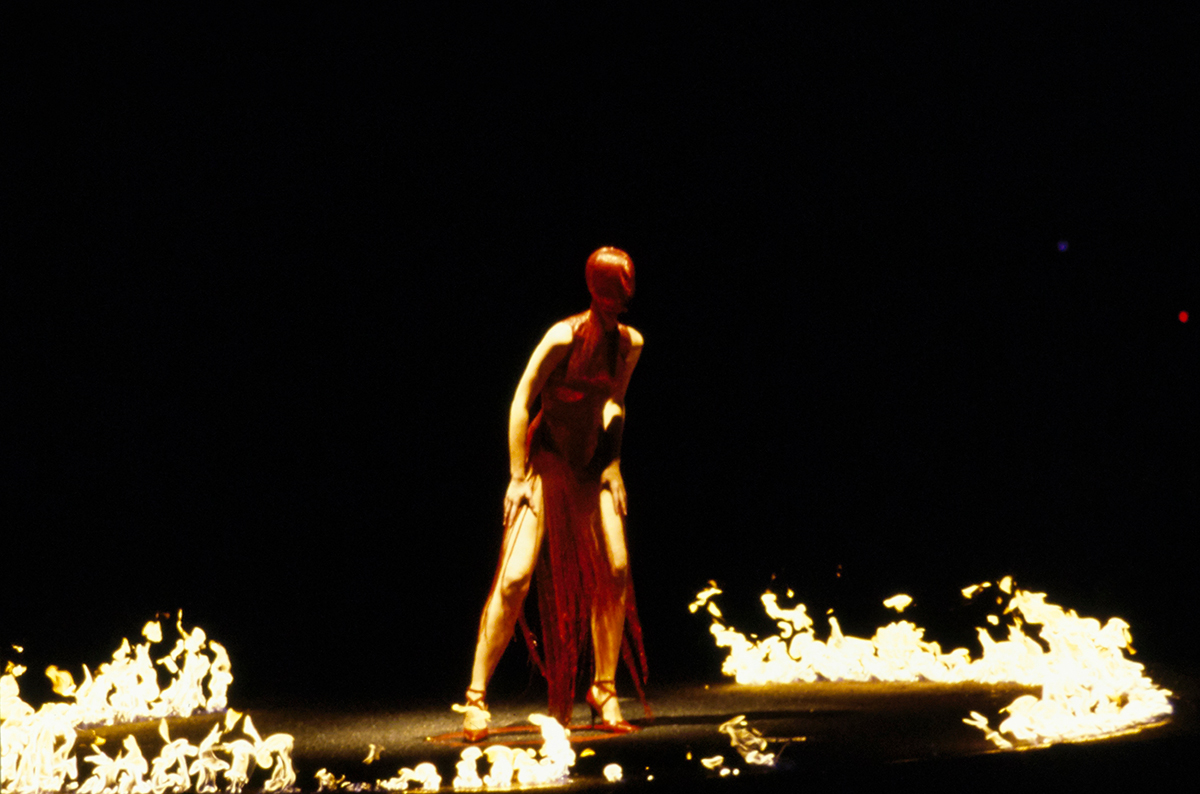
Alexander McQueen, AW98. Photo Guy Marineau, Vogue © Condé Nast.
Fashion forms another central dialogue within the exhibition. Alexander McQueen and Hussein Chalayan blurred the boundaries between clothing and art: McQueen through dramatic, often unsettling presentations, and Chalayan through conceptual garments that transformed everyday objects and ideas into design. Elsewhere, Vivienne Westwood and John Galliano mined history and past cultures, looking backward as fashion contemplated the possibilities of a new century.
-
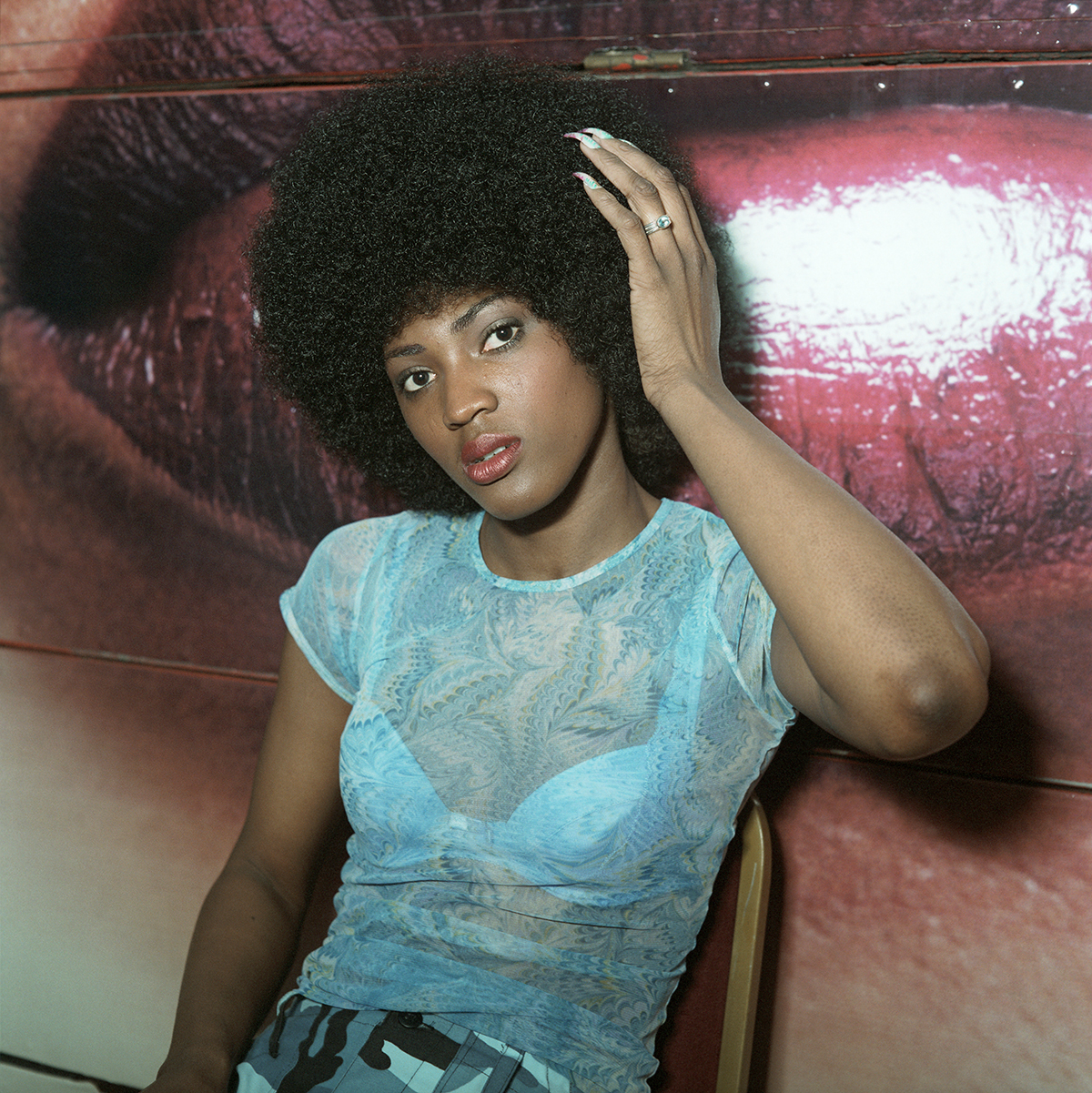
- Eileen Perrier, Untitled, Afro Hair and Beauty Show , 1998 © Eileen Perrier. All right reserved, DACS 2026.
-
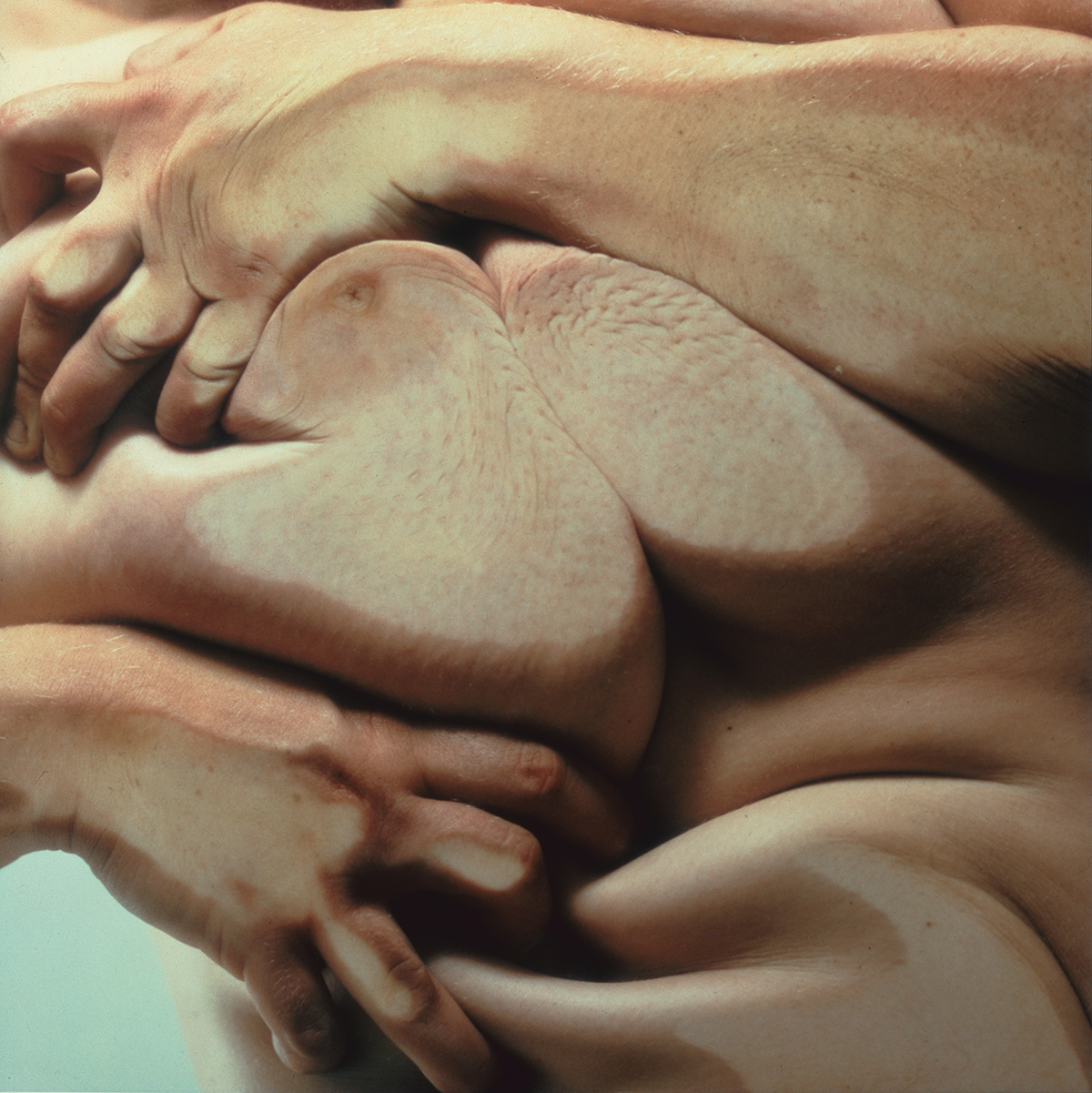
- Jenny Saville and Glen Luchford, Closed Contact #4 © Jenny Saville and Glen Luchford. All right reserved, DACS 2026.
Taken together, The 90s: Art and Fashion presents the decade not simply as an aesthetic reference point, but as a period when art, fashion, photography, music, and nightlife became inseparable.
The 90s: Art and Fashion is on view at Tate Britain in London from October 8, 2026 through February 14, 2027.