All About Alana: Ryan McGinley on the Making of a Muse
Art — 30.10.26
Words: Gabriella Onessimo
An it girl is something of a collective fixation. As the it girl’s image proliferates, so do the stories that surround her, where onlookers begin to add to her lore until she represents something both very real and very imagined. That mythical allure, and the layers of perception that sustain it, are explored in All About Alana, a photography exhibition curated by Ryan McGinley and presented by Primary Photographic and Rectangle Room.
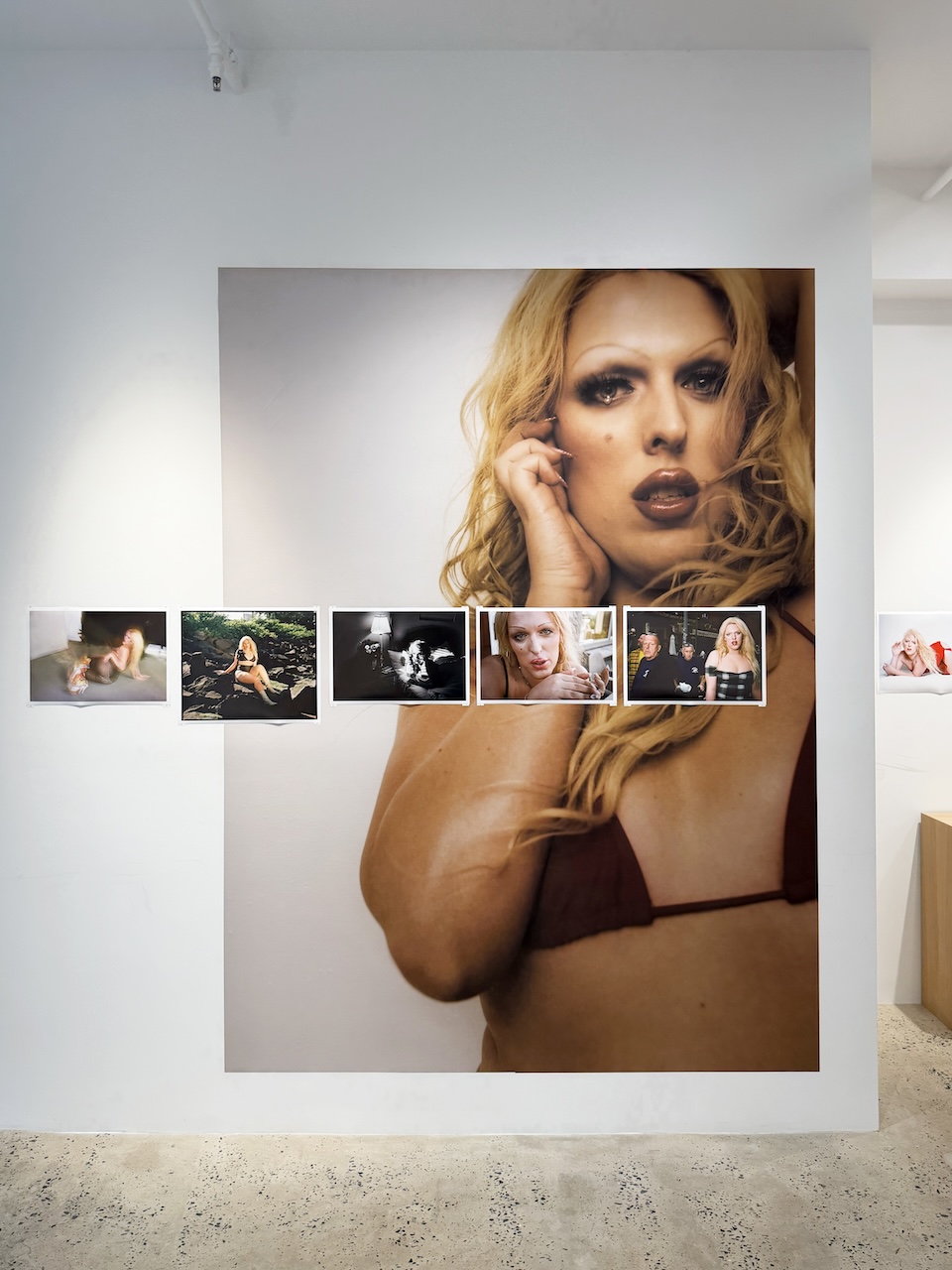
More than 30 New York-based photographers turn their cameras on Alana Jessica Martin, taking the enduring fascination with the muse into intimate territory: a circle of photographers drawn to the same subject, each finding something different in her.
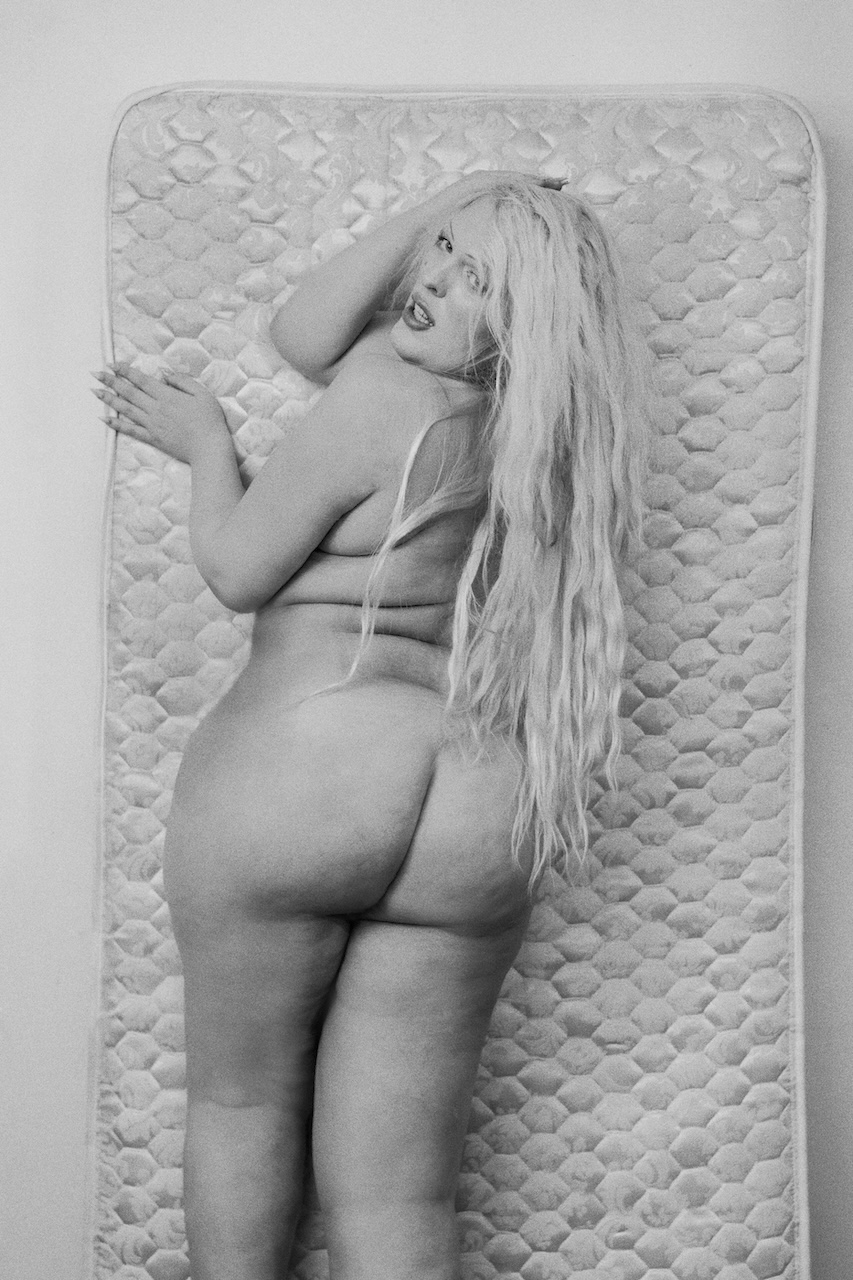
© Ryan McGinley
McGinley first photographed Alana on the steps of Stonewall in 2020. She already knew how to hold the camera’s attention. “She knew her poses without a second thought,” he recalls. “There’s something about her presence that makes you want to keep your camera up.” A telltale sign of a true it girl.
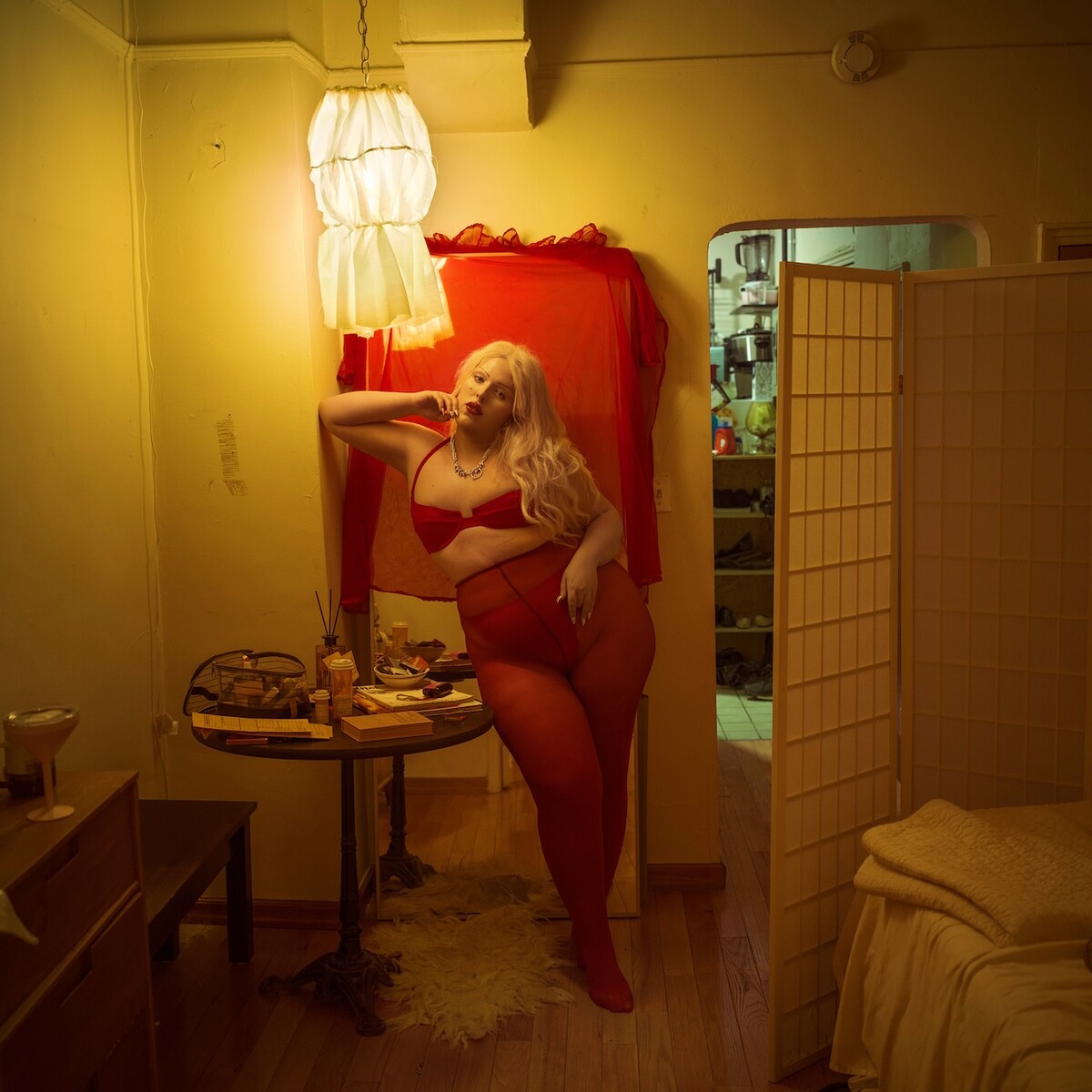
© Stas GinzburgAcross studio portraits, street photographs, polaroids, selfies, and photo booth strips, Alana’s image changes hands. Photographers including Danielle Levitt, Clifford Prince King, Richie Shazam, and Luisa Opalesky bring their own desires and sensibilities to the encounter; Alana brings hers. Hung salon-style, the photographs invite a close reading of those exchanges.
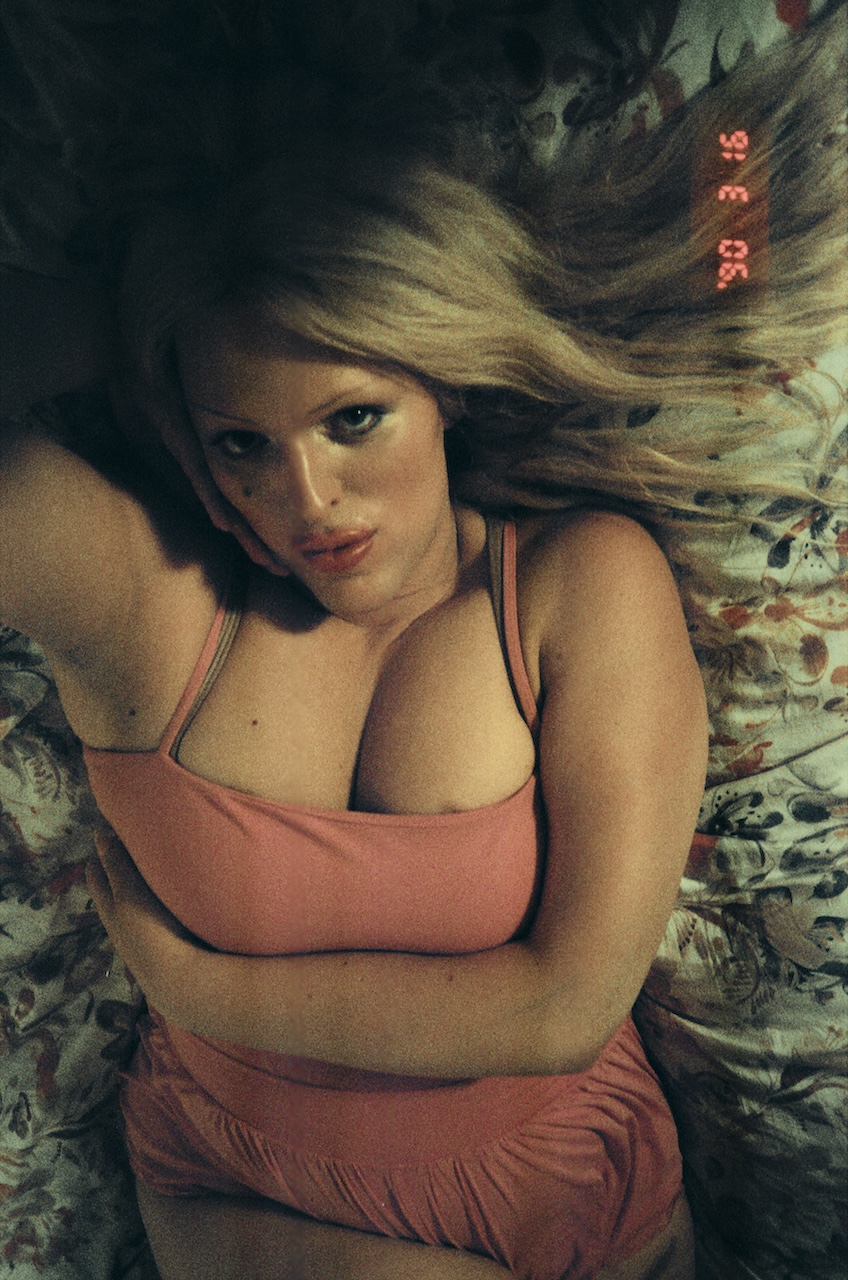
© Ariel Sadok
The exhibition draws on the mythology of Marilyn Monroe and Pamela Anderson, women whose images became public property in all but name. Alana’s place within New York’s overlapping creative communities gives that conversation a contemporary charge—from the queer nightlife scene to the city’s grassroots activism.
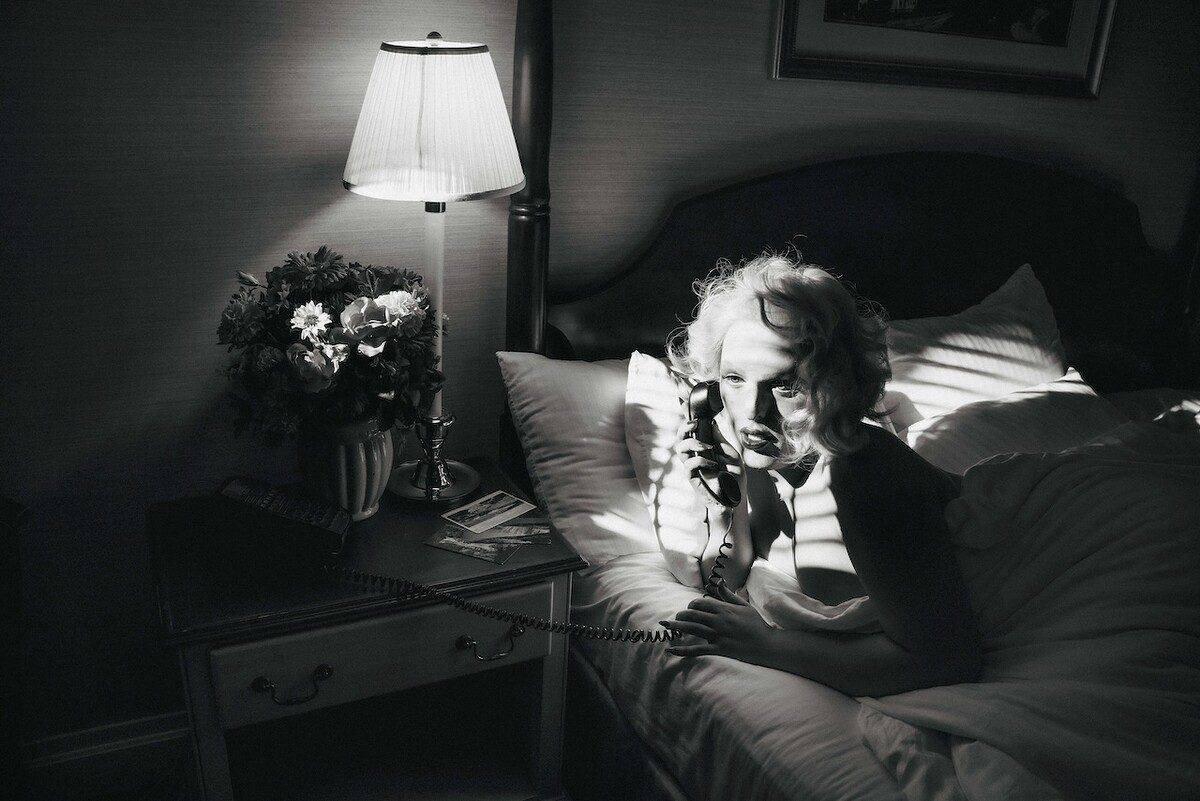
© Milan Lazovski
For McGinley, the word “muse” begins with collaboration. Spanning photographers in their 20s through their 60s, All About Alana explores how a subject transforms through the lens of many, and the particular chemistry that makes someone an eternal muse.
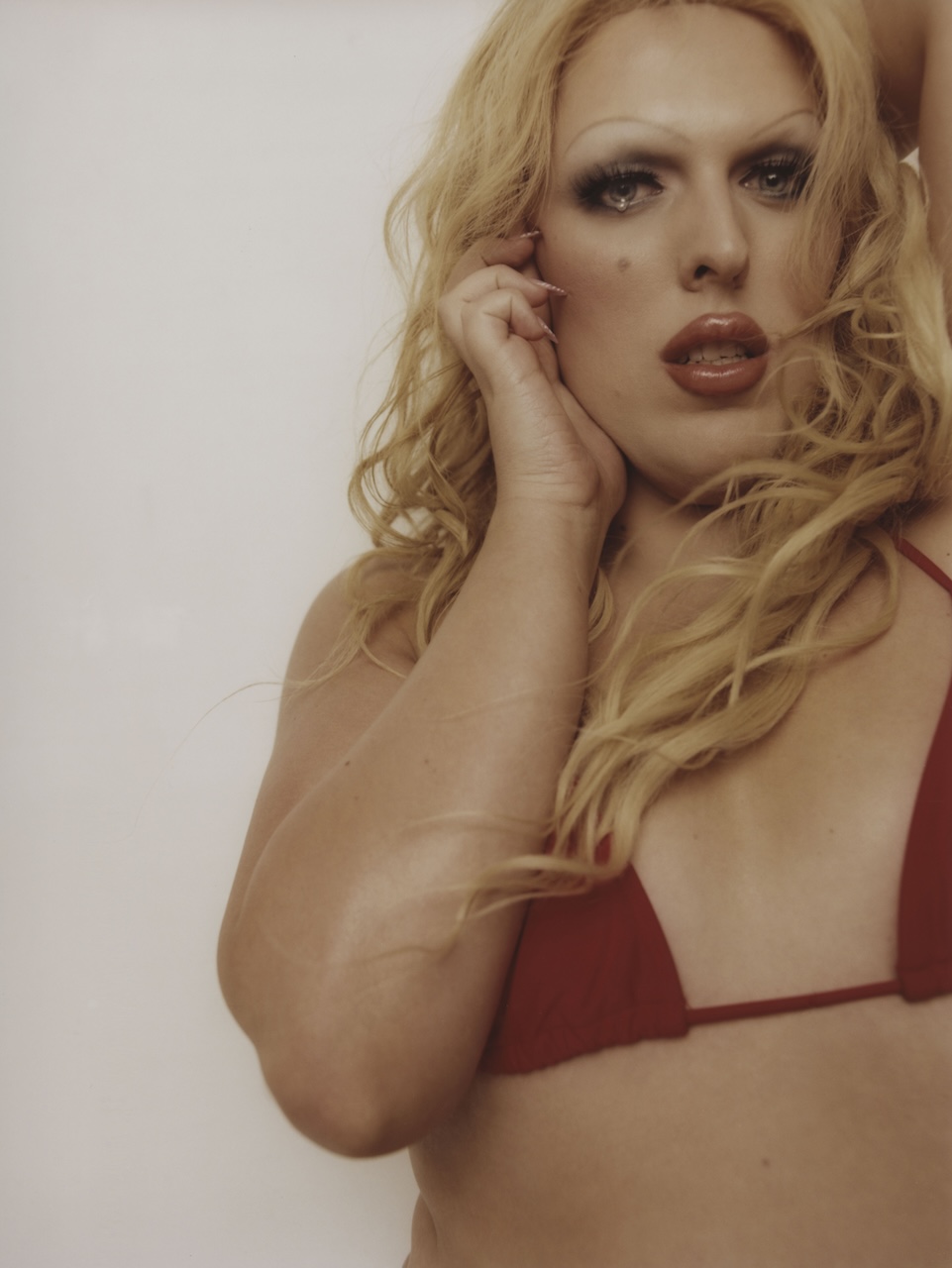
© Simone Thompson
Ahead, McGinley discusses Alana’s instinct for the camera, the intimacy of a shared muse, and what it takes to have a point of view in a city saturated with images.
TEETH: What was it about Alana that made you want to build an entire exhibition around her? Do you remember the first time you photographed her?
Ryan McGinley: I wanted to create this exhibition because Alana has always had this natural attraction to the camera. The first time I photographed her was on the steps of Stonewall in 2020. She instantly caught my attention with how comfortable she was being photographed. She knew her poses without a second thought, and there was an ease to the way she moved. Even after that first encounter, photographing her felt like second nature. There’s something about her presence that makes you want to keep your camera up.
You’re participating as both a photographer and curator. How did looking at other people’s work change the way you saw your own photographs in the show?
We have a little family of photographers that all photograph each other for different art projects. It was exciting to include so many of our photo friends in the show. Alana has always been the muse of the entire group so it made assembling the exhibition easier. Everyone brought their own unique styles to lens Alana from studio to street, point-and-shoot to medium format, color to black-and-white, film to digital.
What interests you about the idea of the muse today? Does the term still feel useful, or does it overlook how much a subject contributes to an image?
For me, a muse is a collaborator. I love photographing people who not only inspire me visually but also bring something of themselves into the process. My job is to create a photograph that captures what excites me about that person, and that means being open to what they bring to the moment.
Your work has long been connected to New York’s creative communities. What feels different about the city’s photography scene now compared with when you started?
When I started out there was no social media or camera phones, so photographers were more sparse. There was no urge to immediately post an image, so I had more time to think about my photographs as a body of work. It was much harder to find my people, I had to create community through my early zines and small booklets. Nowadays, finding your people is much easier, especially in queer spaces. What remains the same is a photographer’s artistic vision, regardless of how easy it is to take photos and put them out into the world. Having a strong vision that distinguishes you is still rare.
What does this exhibition capture about the city’s scene right now, and where does Alana sit within it?
I think Alana is a perfect representation of the city’s “scene”—or, really, its scenes—because she moves between more communities than anyone I know. She can spend the night partying with young queer people in Brooklyn, wake up the next morning on a glossy set in Manhattan, and end the day strumming her acoustic guitar while singing at a protest. That’s just Alana’s nature. She’s like a chameleon, without ever having to change who she is to create genuine connections. The great thing about this exhibition is that it’s multi-generational—artists across ages from their 20s to their 60s. New York City’s photographers love celebrating an it-girl regardless of their age. Alana is the perfect it-girl for all of the 2020s.
All About Alana is on view through November 15, 2026, at Rectangle Room at Primary Photographic, 113 Eldridge Street, on New York’s Lower East Side. Plan your visit here.