Bailey Hunter on the Art of Making at Tigra Tigra
Fashion — 14.07.26
Words: Seth Sherwood
Founded by Bailey Hunter in 2016, Tigra Tigra is an ongoing body of work centered on textile innovation, blending traditional artistry and craft communities with modern design.
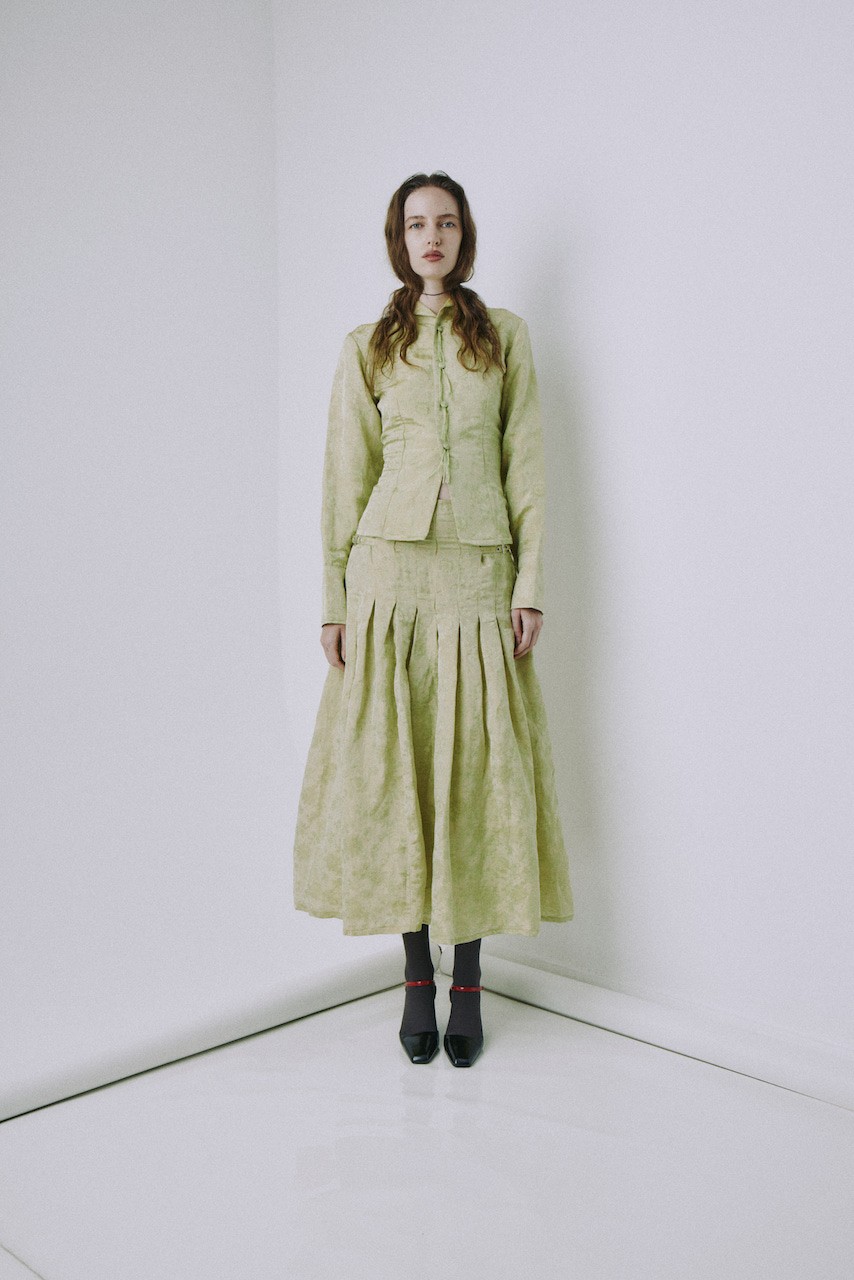
Courtesy of Tigra Tigra
Designed in Los Angeles and developed in Ahmedabad, India, Tigra Tigra works closely with its garment makers, who oversee production and determine pricing. Hunter also serves as creative director of The Elder Statesman, where she focuses on cashmere and knitwear development.
During market week, which overlapped with Paris Fashion Week Men’s, Hunter presented an exhibition and live performance celebrating the upcoming Collection 19 alongside a capsule collaboration with painter and performance artist Cassi Namoda. Staged alongside Namoda’s exhibition, The Artist’s Wardrobe, the presentation brought the collection’s emphasis on movement, materiality, and artistic exchange into focus.
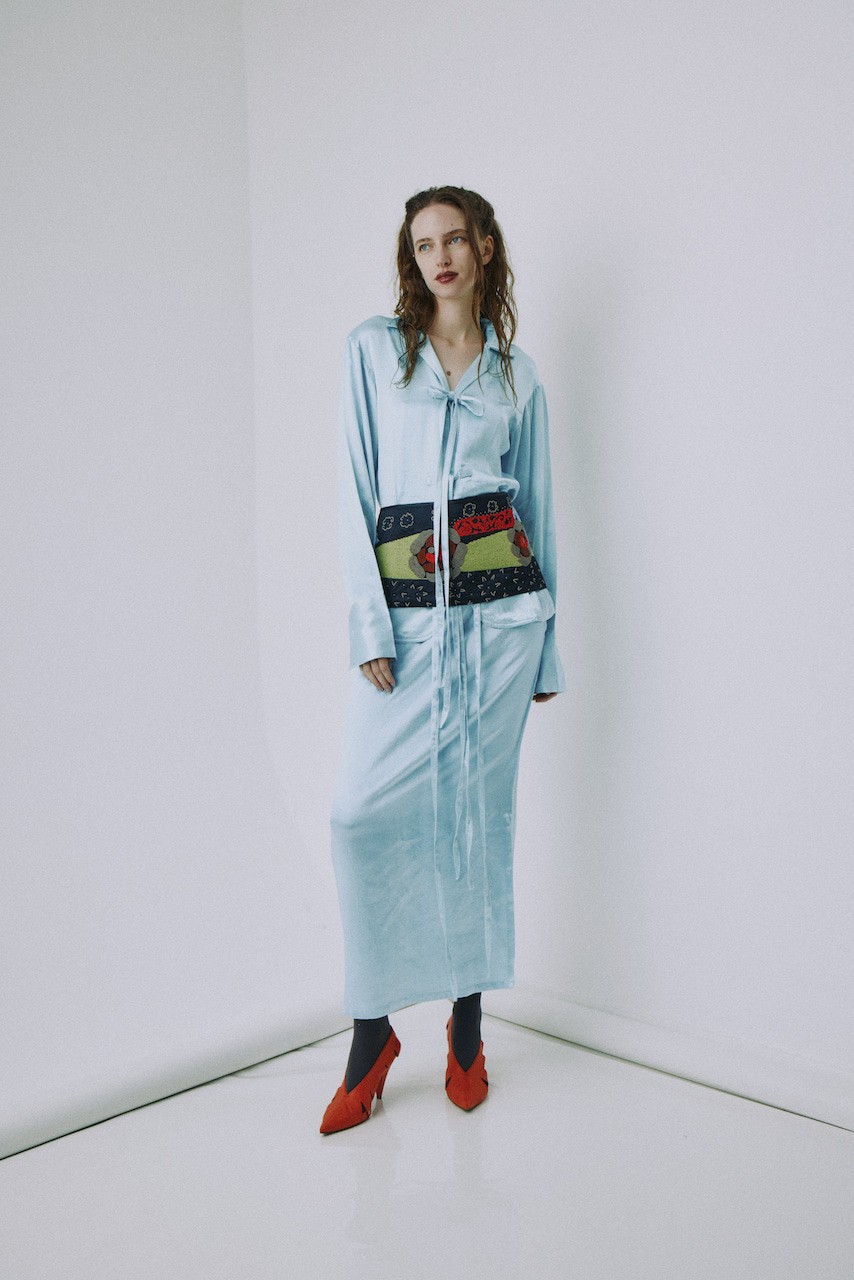
Courtesy of Tigra Tigra
Following the presentation, TEETH spoke with Hunter about Collection 19, collaborating with Namoda, Tigra Tigra’s evolving philosophy, and approaching the brand’s 10-year anniversary.
The question of whether fashion is art has long been debated. How do you incorporate artistic themes into your designs, and where do you stand in that conversation?
Fashion as a system is based around a craft rooted in capitalism and commerce. As a whole, I don’t think the fashion system is art—but I think some fashion can be art. Art exists within the world of commerce, but it also has the possibility of existing beyond it, and so can fashion.
I have never thought of Tigra as only fashion. It holds a deep meaning and views craft as political. I think about how each piece exists within a system fueled by frivolity and mass production. I view Tigra as a cultural artifact and a reaction to the world we live in today.
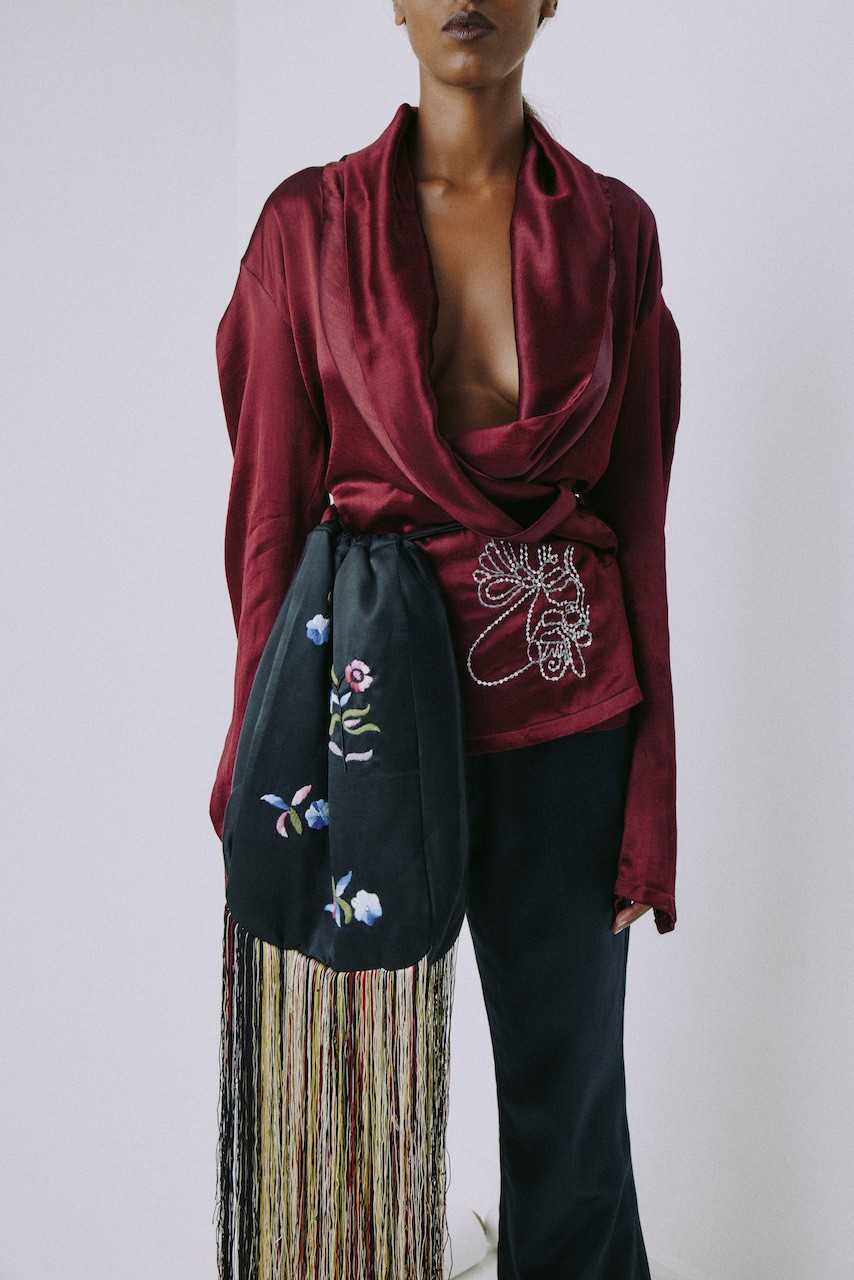
Courtesy of Tigra Tigra
How did the collaboration with Cassi Namoda come to be, and how did her artistic vision blend with Tigra Tigra’s design language?
Cassi is one of my oldest friends. We met in New York in our early twenties. She’s a beautiful artist, and her work and approach to story and color have always inspired me. Cassi translated the atmosphere of her paintings into cloth. We share a love of handmade objects and what handicraft means in the world today. She designed each of the six looks with the intention of fitting easily into a hand suitcase.
-
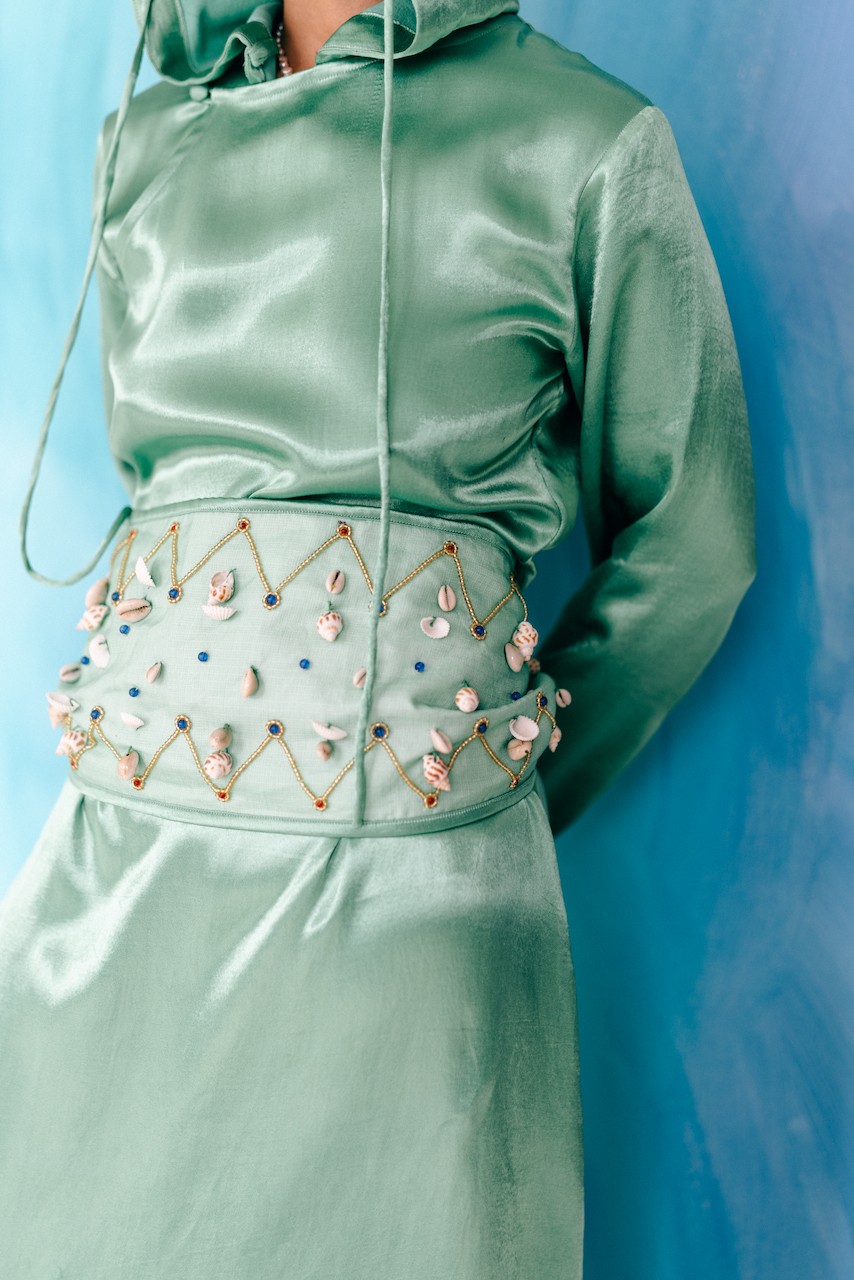
- Tigra Tigra x Cassi Namoda Capsule. Courtesy of Tigra Tigra.
-
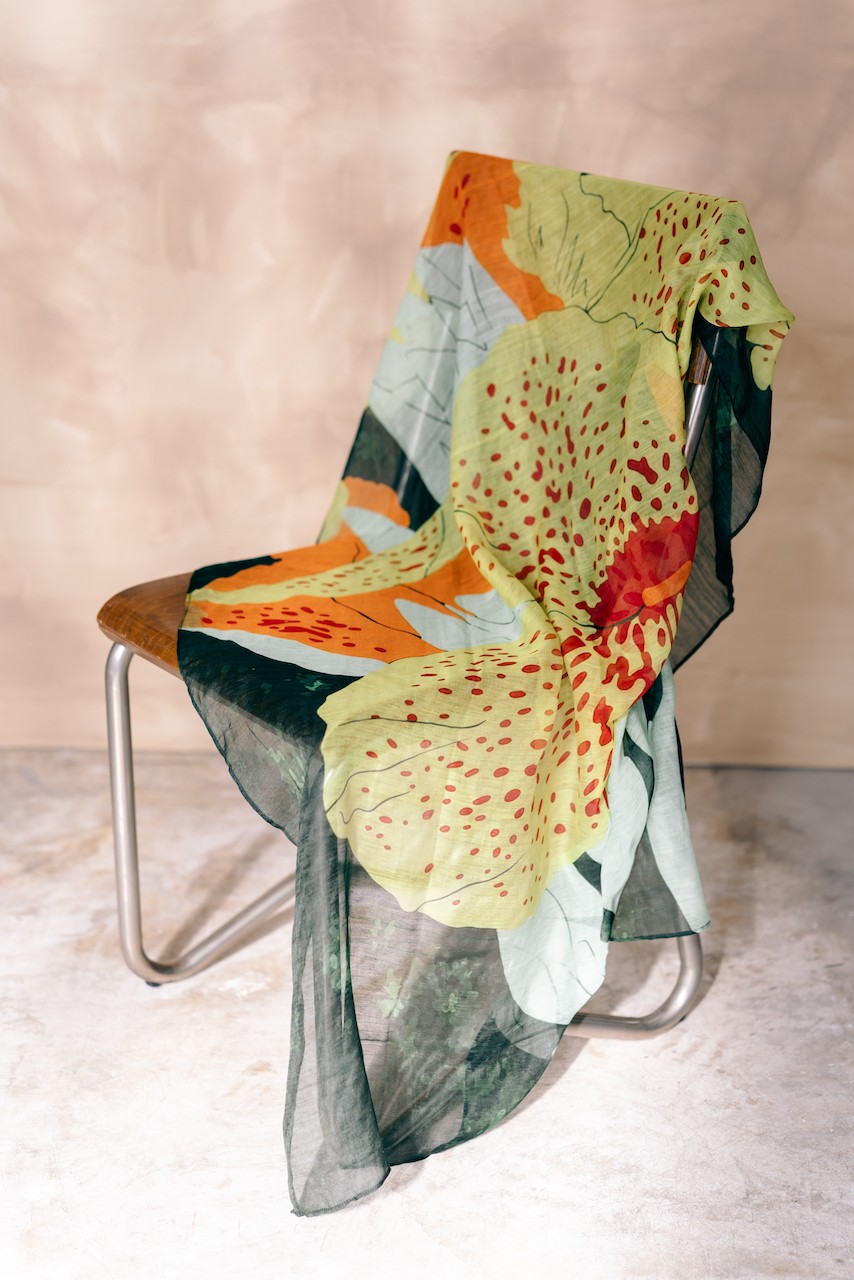
- Tigra Tigra x Cassi Namoda Capsule. Courtesy of Tigra Tigra.
Tigra Tigra is also approaching its 10-year anniversary. How has your relationship to the craft—and to the artisans who shape it—evolved over time?
In the beginning, I was searching for meaning, but I don’t think I had quite figured out where my place was. Over time, it became clear what my vision for Tigra is and its place in the world.
-
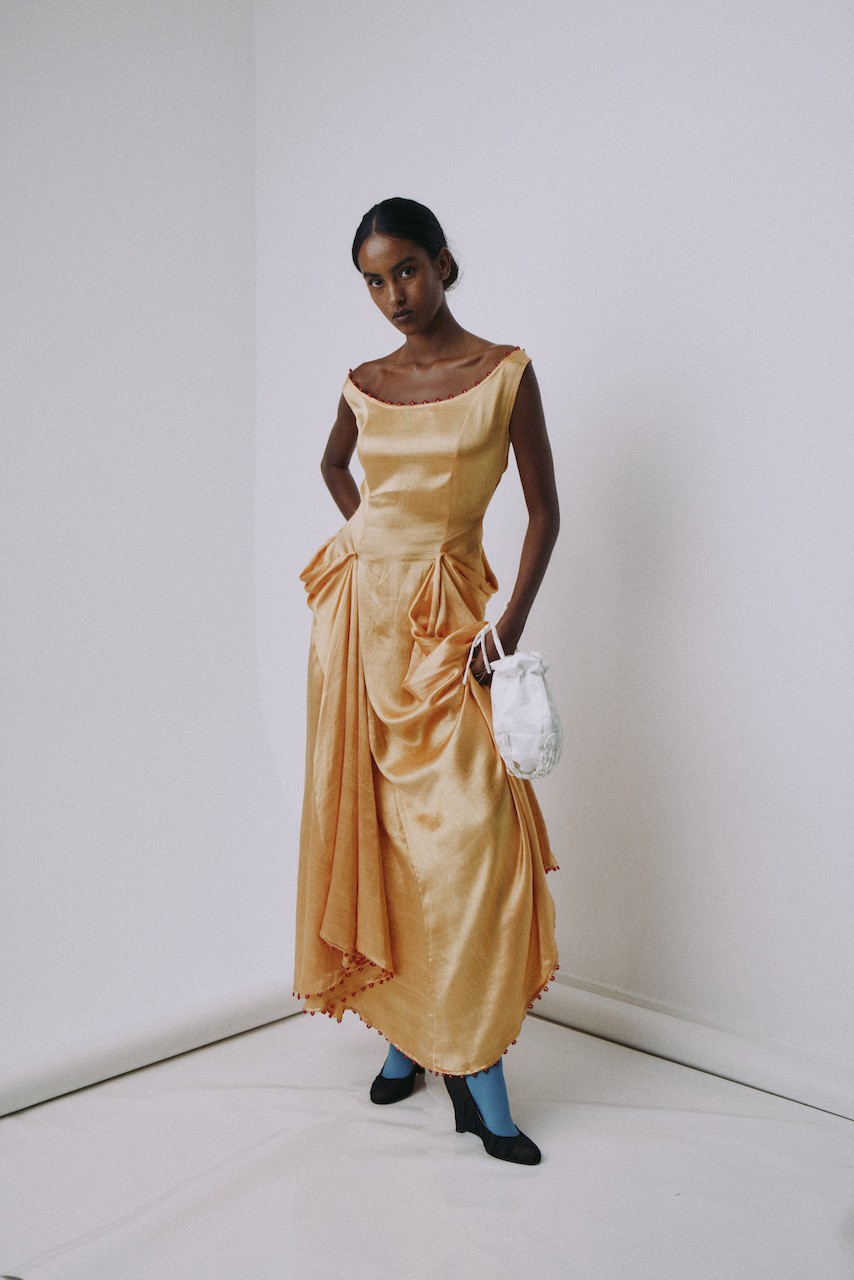
- Courtesy of Tigra Tigra
-
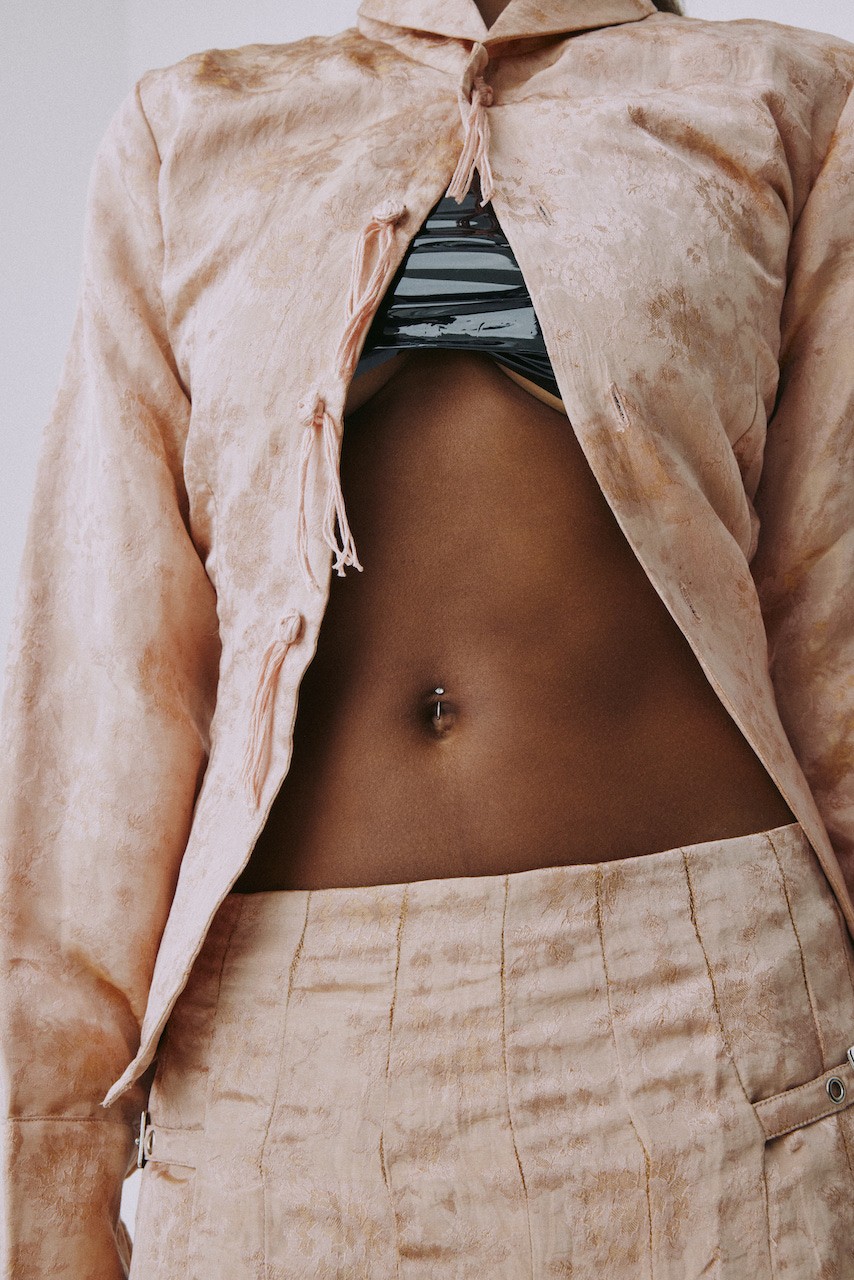
- Courtesy of Tigra Tigra
The world is different from 10 years ago. We’re now at a point where the internet and social media’s promise of connection and creative discovery has faded. There’s a cultural homogenization and an individuality complex that comes with that. Instead of asking ourselves who we are, we start asking how we appear and how we’ll perform.
My work is about human connection through community, and how different groups of people can work together in today’s globalized world while maintaining their own identities.
Your work draws from a wide range of techniques, from Japanese itajime dyeing to vintage French postcards. What do you look for when discovering new references and methods to incorporate into the brand?
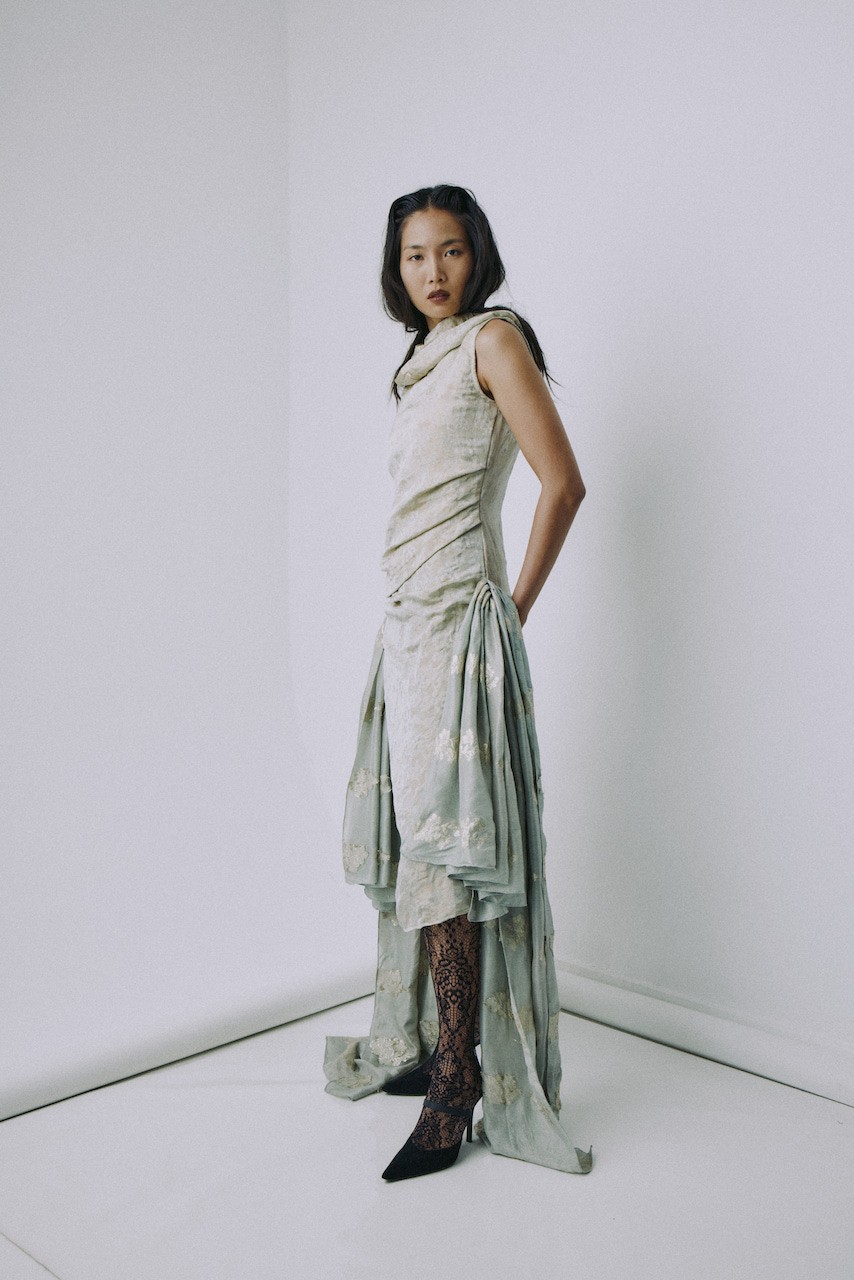
Actually, it’s the dyers in Ahmedabad who have been inspired by Japanese itajime clamp-dyeing in their own work. Tie-dye practices in India are over 5,000 years old, but younger generations of artisans continue to evolve their craft by experimenting with techniques beyond what they inherited.
For my own design practice, I pull inspiration from everywhere. I reference historical books, nature, paintings, and people on the street. Then the artisans interpret those ideas through their own skill sets and craft language.
-
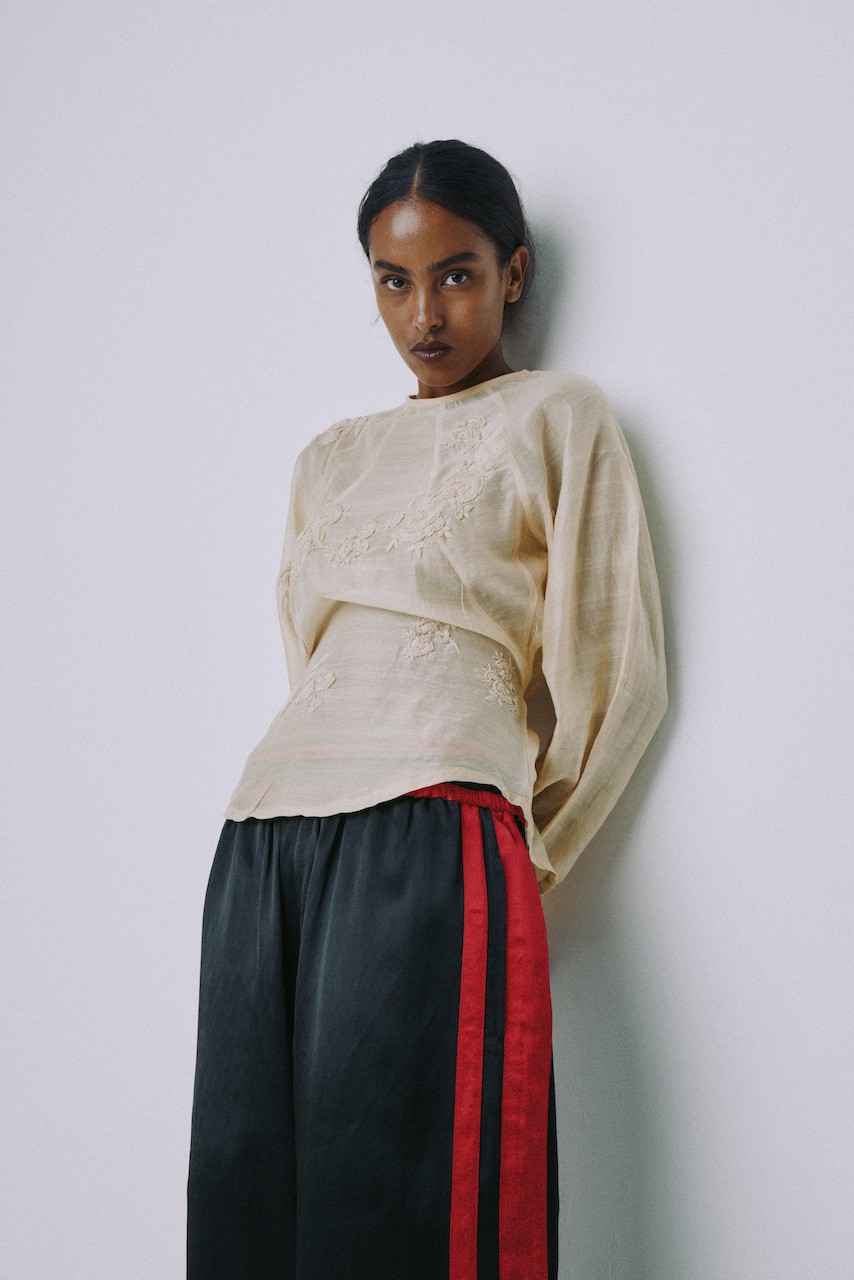
- Courtesy of Tigra Tigra
-
- Courtesy of Tigra Tigra
Collection 19’s palette was inspired by a dinner scene in In the Mood for Love. What else—films or otherwise—is inspiring you right now?
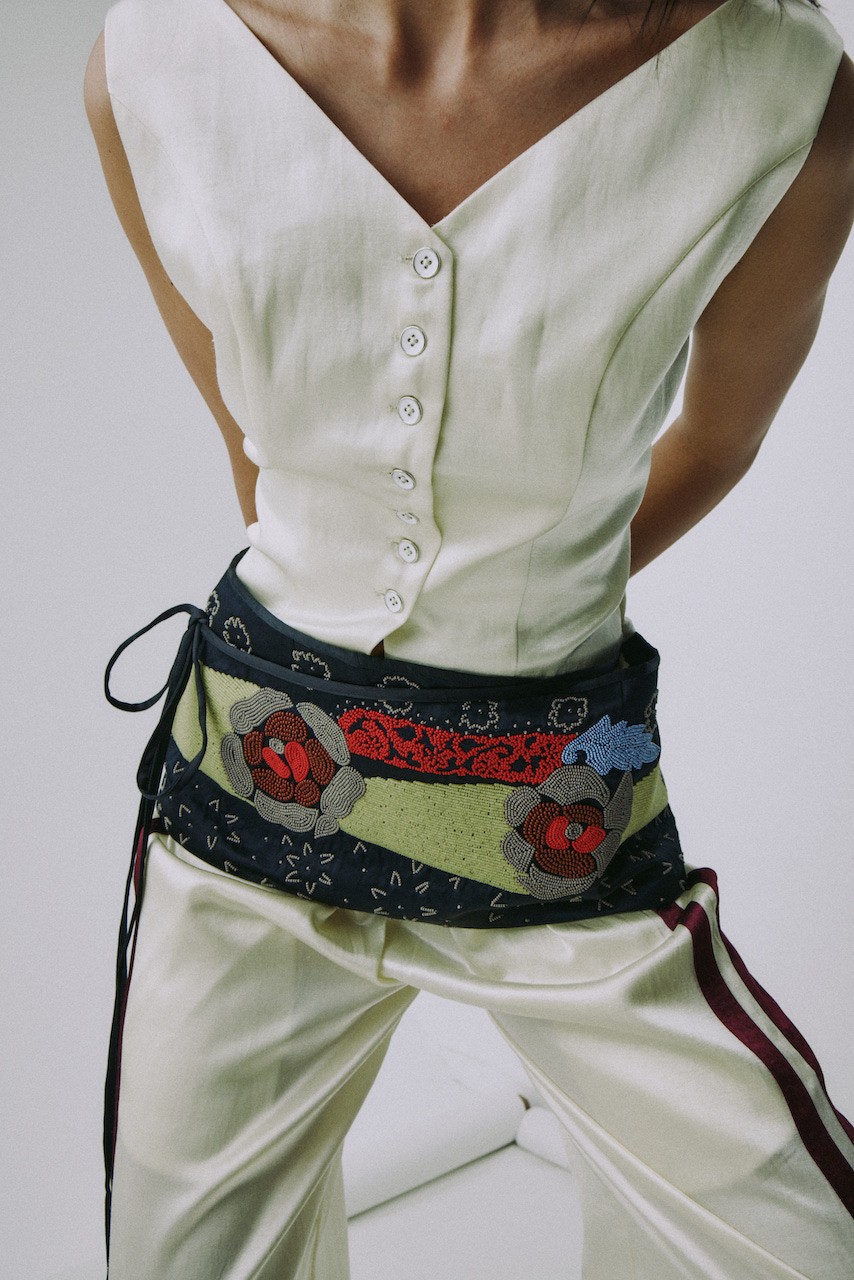
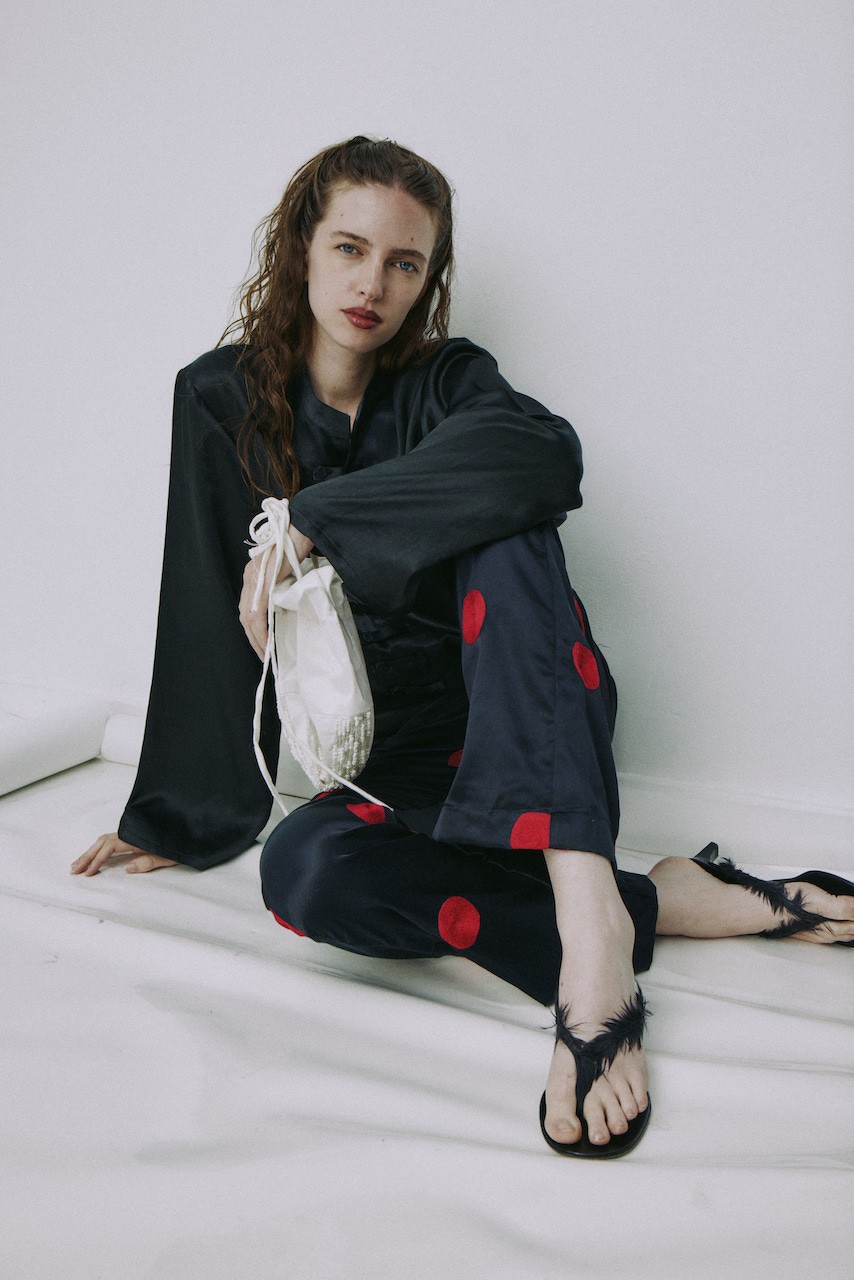
I love the richness of color and mood in Wong Kar Wai’s films, especially In the Mood for Love. Those colors inspired the home collection, particularly the deep blacks and vibrant reds.
I’ve also been inspired by building out a complete world through home pieces. I love the colors and richness of Man Meditating over the Qur’an by Osman Hamdi Bey—the Persian blue tiles, the deteriorating peach-pink tapestry, and the draped yellow silk. I’ve also been looking at Robby Müller’s Los Angeles Polaroids from the 1980s and Yoshihiro Tatsuki’s photographs of late-’70s Japan. I was so inspired by Janina Sarantsina’s movement work and was lucky enough to have her choreograph the performance for our exhibition this week.
-
- Courtesy of Tigra Tigra
-
- Courtesy of Tigra Tigra
What elements from earlier collections continue to reappear in your work?
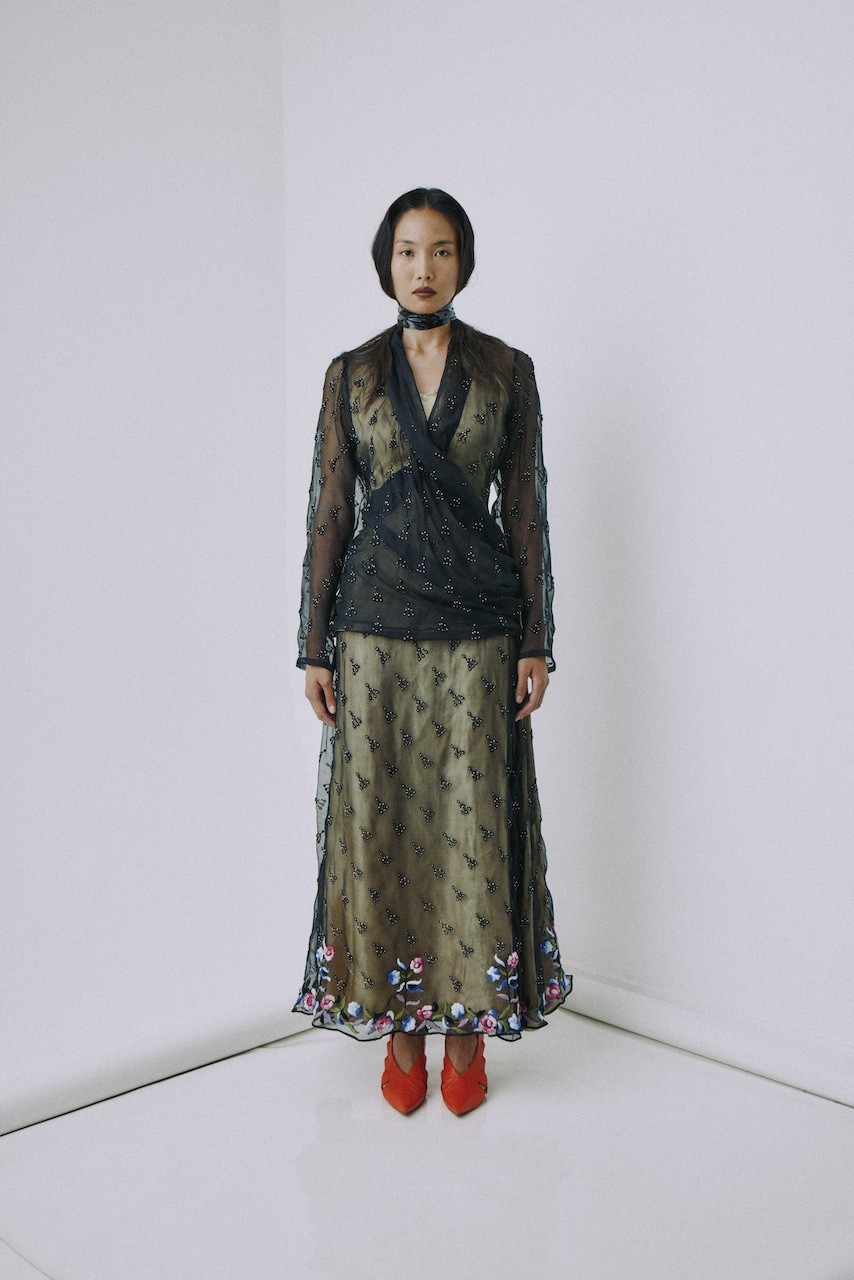
Every collection begins with the textile. It starts as spun thread, is woven by hand in Patan, dyed in Ahmedabad, and finished through embroidery or beadwork before it ever becomes a silhouette. I’m really interested in manipulating both the textile and the garment, and seeing how far they can be pushed over time.
Courtesy of Tigra Tigra
After Paris, what’s next for Tigra Tigra? Where do you see the brand in another 10 years?
A vacation for me! I think time away from work is so important for finding new inspiration.
As for 10 years from now, I don’t like setting specific goals that far ahead. I’m trying to work organically and intuitively, but I hope to have the privilege of continuing this practice and these collaborations for many decades to come.
Keep up with Tigra Tigra on Instagram and discover the latest collections online.