Off-Season Light in the Aegean: Staying at Phaea Blue
Travel — 30.06.26
Words & Photography: Matylda Sala
Off-season travel always carries risk: weather that doesn’t behave, places half-asleep, the sense that you’ve arrived slightly too early or too late. But it also comes with countless advantages, and the biggest one is hard to replicate: a rare kind of stillness.
In Crete, I felt that immediately.
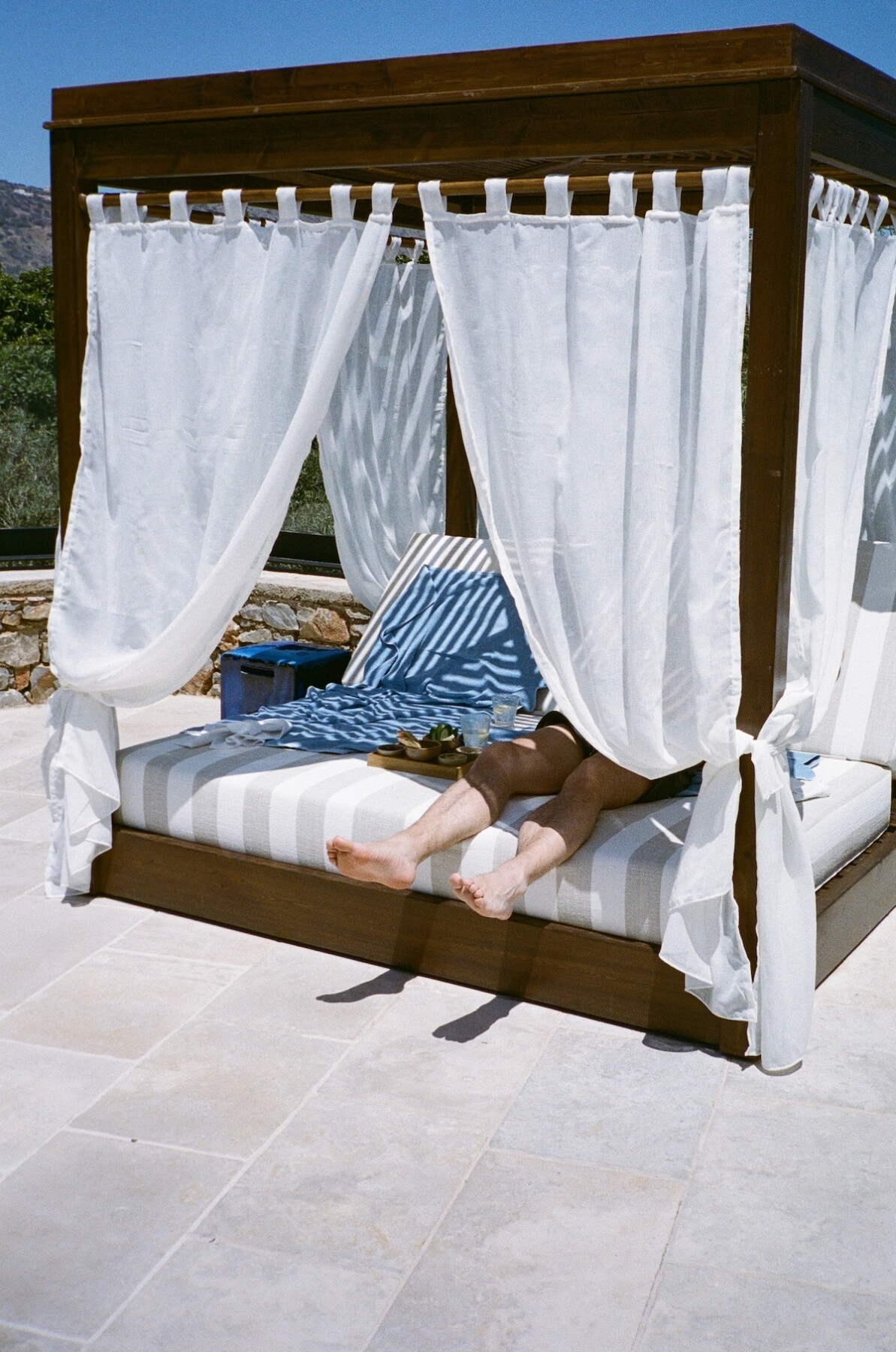
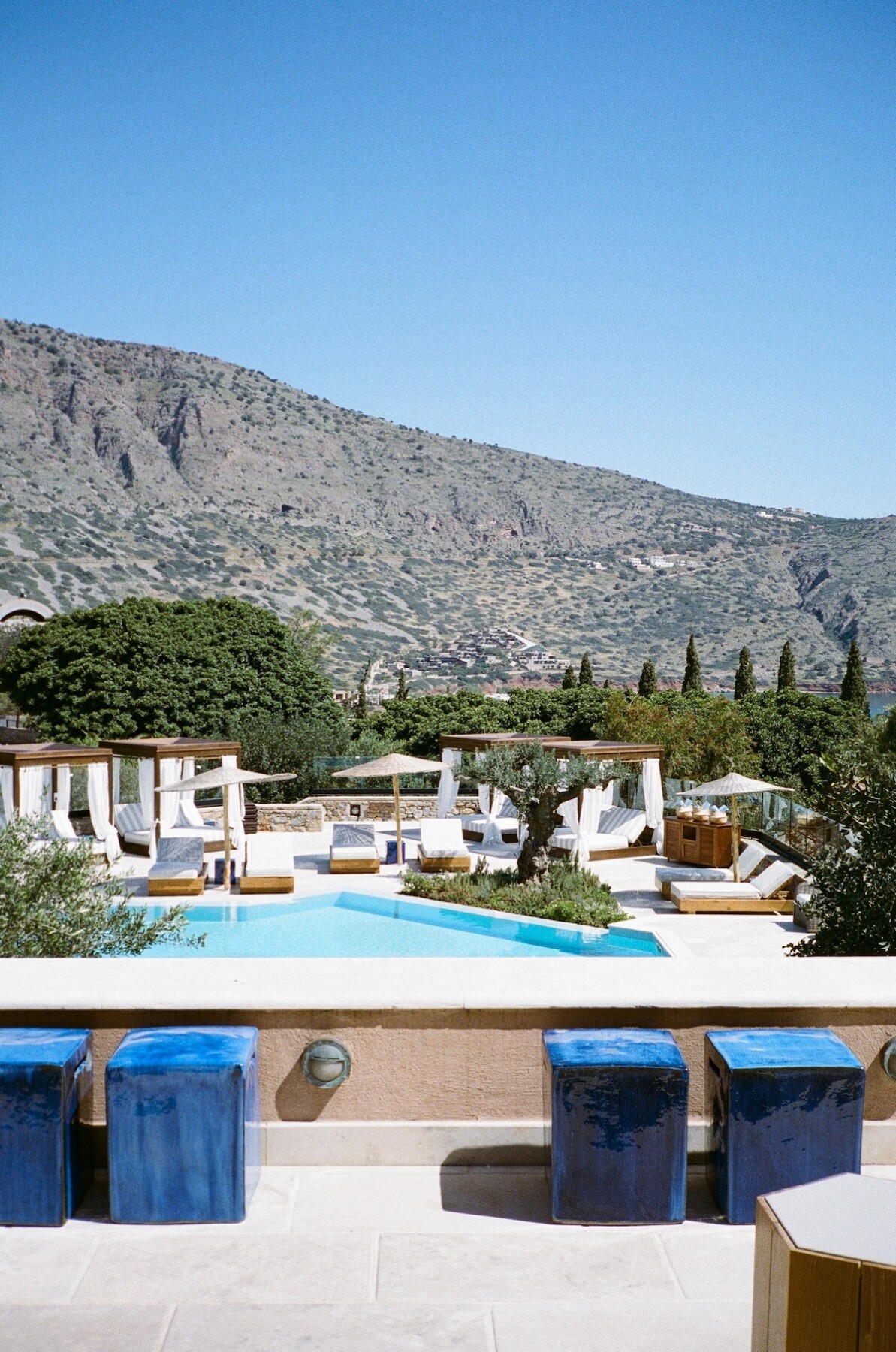
My partner and I arrived in the early hours after an overnight flight from London, via Athens, the landscape still soft-edged with morning haze. On the drive to Phaea Blue—a private Cretan estate and member of Small Luxury Hotels—we watched stretches of quiet coastline and inland green unfold, the kind of green you only see before the heat flattens everything into gold. The driver mentioned it had snowed in the mountains the weekend before, something that felt at odds with the warmth settling over the island now.
At Phaea Blue, the first thing I notice is not the view, but the ground beneath us. Pebbles at the entrance, smooth and deliberate, shifting underfoot as we arrive; then, the ceramics that are placed throughout the space with care. I get the sense that nothing here is accidental; the design, landscape, and tradition are constantly in conversation.
What quickly became clear is that hospitality here is not performed as a service but as an inheritance. The Greek idea of philoxenia—often translated as “friendship toward strangers”—is never announced. Still, you feel it in small gestures: the timing of the welcome drink, the way things are explained without excess, the quiet pride in detail. At check-in, we’re given rakomelo—raki blended with honey and spice—warm and slightly sweet, the burn arriving after. It felt like both a welcome and an introduction.
In our room, the view of the sea opens up in a way that makes distance feel irrelevant. Just across the water sits Spinalonga Island, once a Venetian fortress, adding another layer of history to the area. Even at 60–70% occupancy, the hotel feels almost undisturbed. I felt an unusual intimacy here: not isolation, but a shared calm.

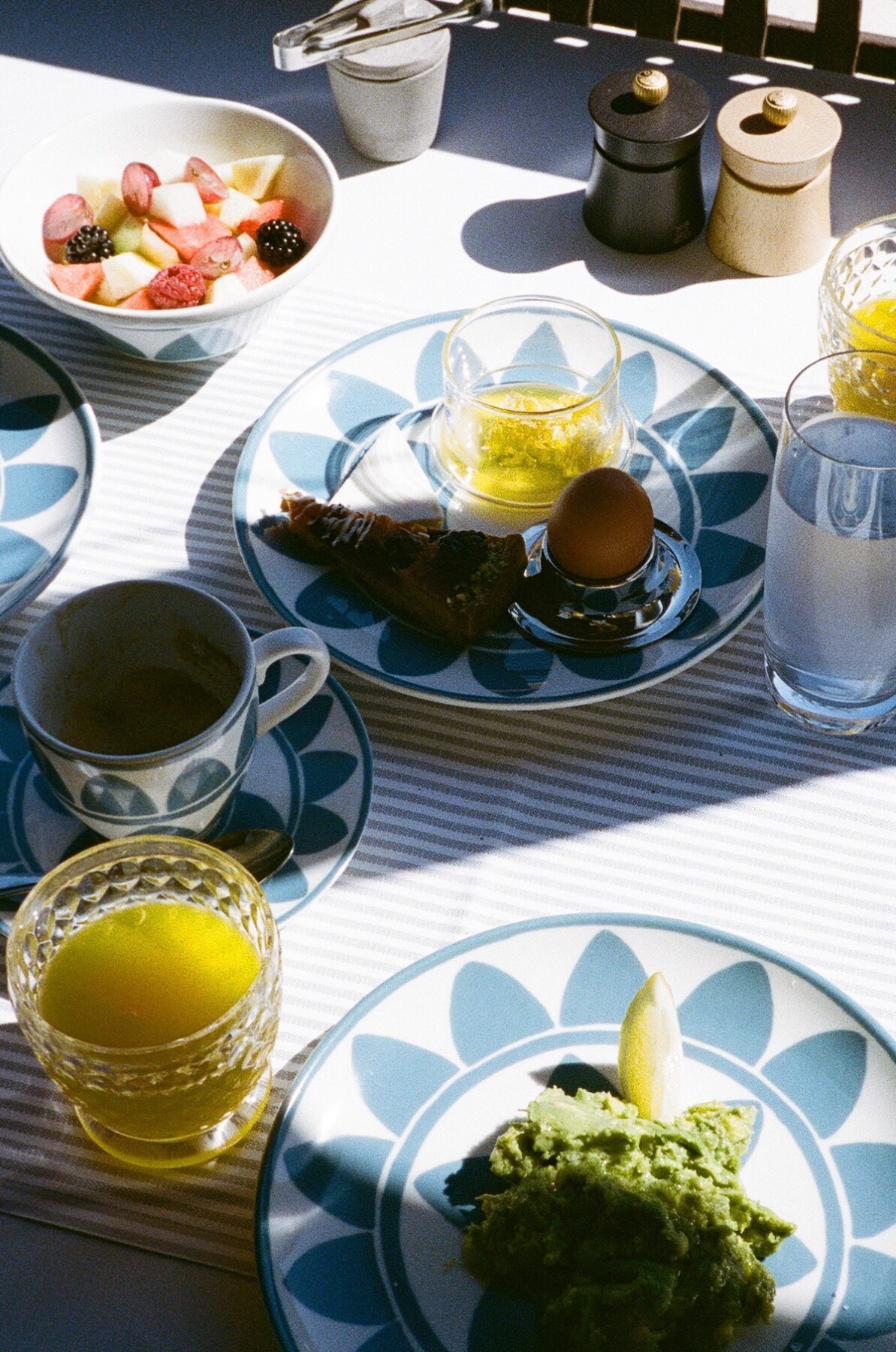
Breakfast is built around local produce: eggs and yogurt from nearby farms in Neapoli, Lasithi. Honey is made through the hotel’s own beekeeping initiative. Crete itself feels present everywhere here—not as branding, but as continuity.
One of the clearest expressions of this was the Blue Door Taverna, located on the estate just by the shore, where blue-checked tablecloths shift in the wind. Nothing feels reinterpreted here—only repeated, refined, and remembered. Dolmadakia arrived warm and tightly folded, vine leaves holding rice and herbs in quiet precision, served with strained yogurt that softens everything around it.

On day two of our stay, the most memorable for me, we took a private caique trip along the coast toward Spinalonga. The water was very still, only disturbed by the boat. We stopped to swim in a quiet bay. The cold but extremely clear water was refreshing, especially paired later with a crisp Cretan wine.
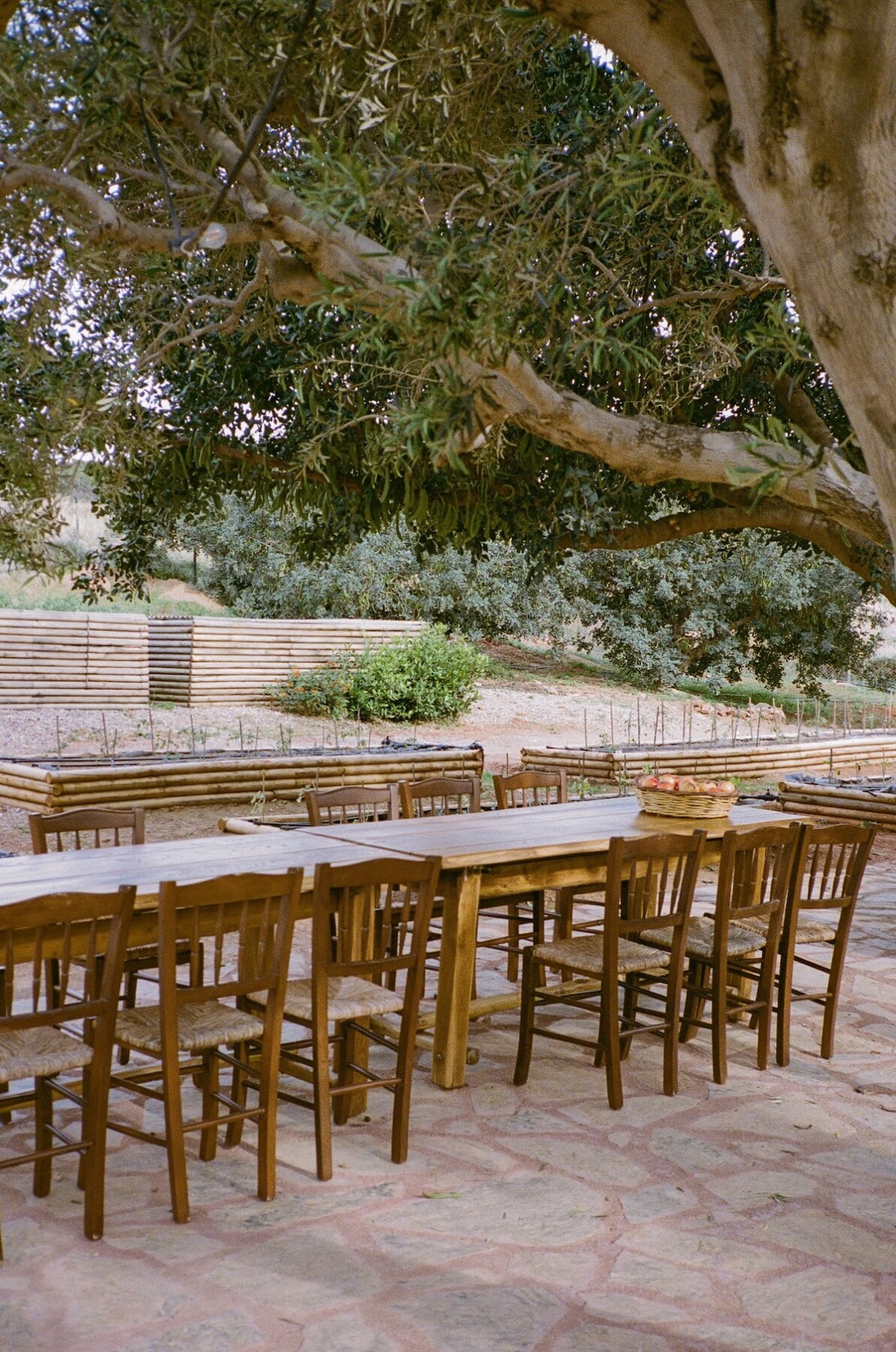
Back at the hotel, dining shifts into different forms each night. That evening unfolds as a pop-up kitchen in the olive grove—a communal farm-to-table experience—that brings guests together. We’re introduced to the chef, welcomed with a shot of Sauvignon Blanc, Greek mountain tea, and some honey. Then, we sat at a shared table and were invited to dine in a Greek way. A deeply rooted tradition centered around the concept of parea—the joy of good company and shared experience. It felt outside my comfort zone at first, but quickly became natural.
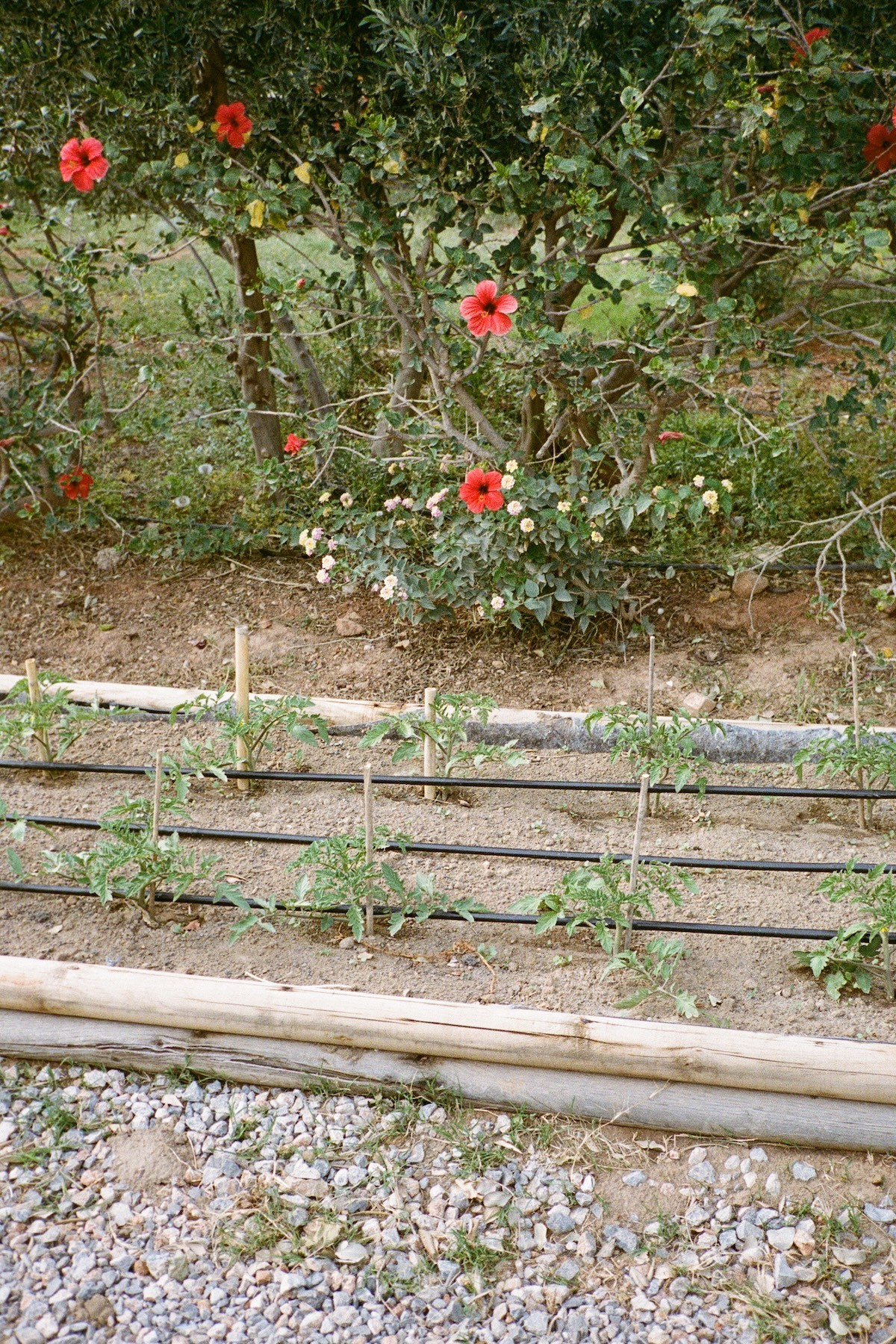
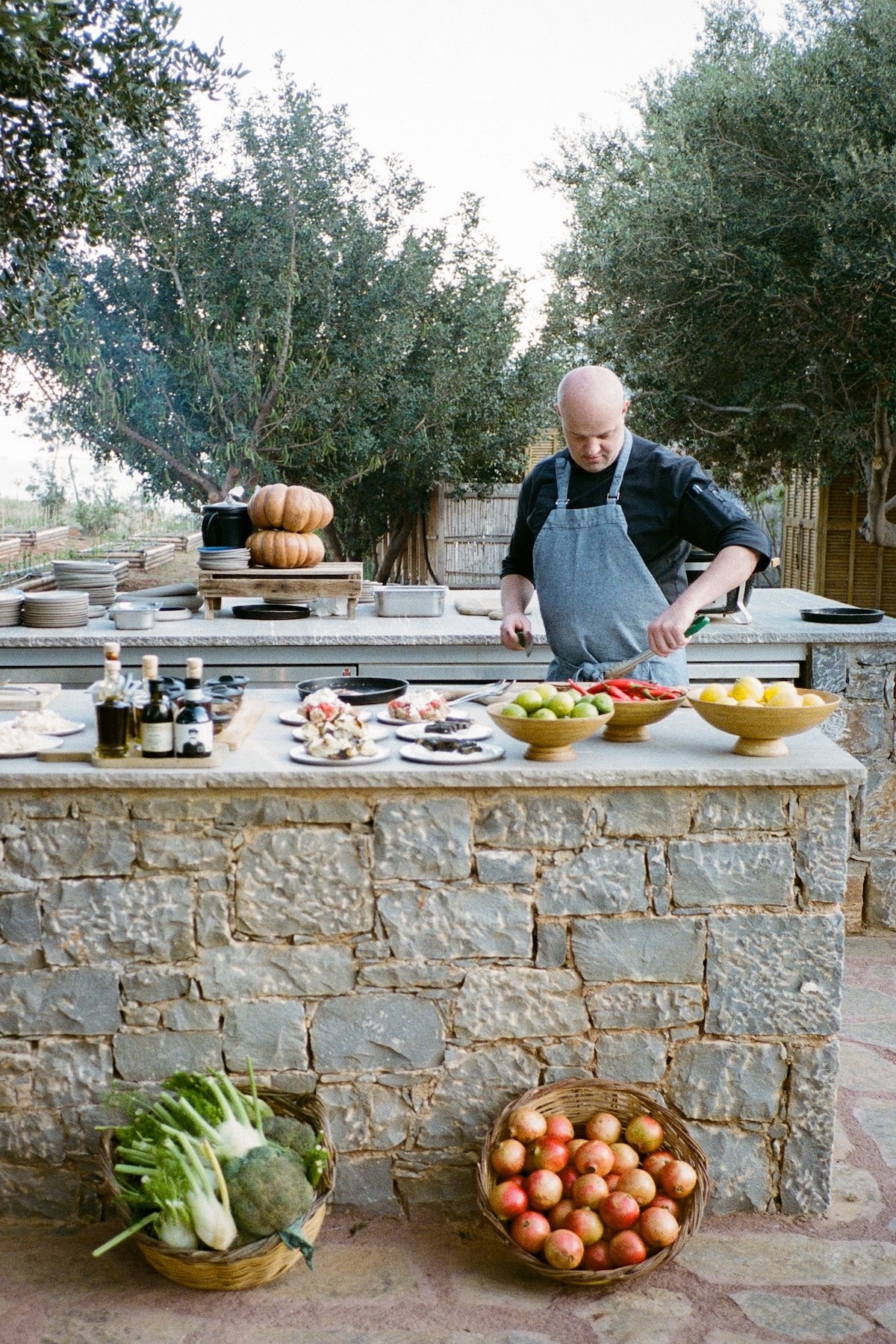
Later, at Votsalo Bar—Phaea Blue’s own bar—I noticed how the cocktails mirror the landscape. A Cretan Mule infused with thyme, one of the island’s most persistent summer plants, ties the drink back to place in a way that feels almost literal.
The next morning, we spent some time at the hotel beach, reached by buggy down the hill. Quiet and peaceful, it felt almost untouched. From there, we walked into Plaka, a small fishing village just along the coast. What makes Plaka special is its simplicity. Visiting in the off-season meant we saw more locals than tourists, which only added to the feeling of experiencing the village more naturally and at a slower pace. After wandering through the village, we headed back to the hotel for the olive oil tasting we had arranged.

Across the stay, we moved through different versions of Greek cuisine: traditional tavern cooking, communal outdoor feasts, and contemporary plated interpretations. At Anthós Restaurant, our last dinner presented a contemporary approach to Greek cuisine. Everything arrived beautifully plated and carefully served. Lamb shoulder cooked over open wood fire—Antikristo, traditionally tied to celebration—arrived not reinvented, but reframed.
Even after dinner, the experience continues in small gestures. A bottle of the hotel’s own olive oil appears in our room—extending the principle of generosity that runs through everything here.
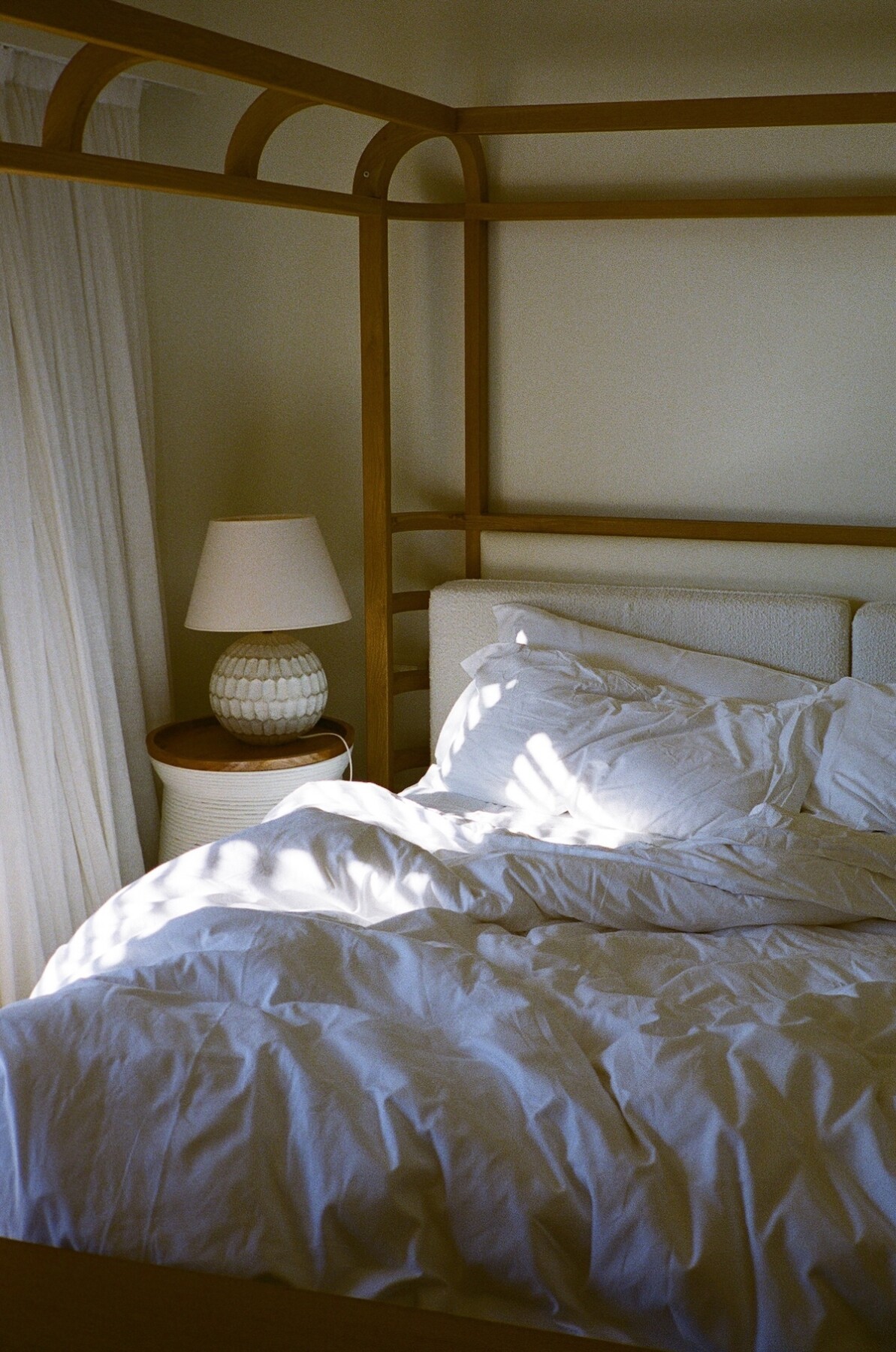
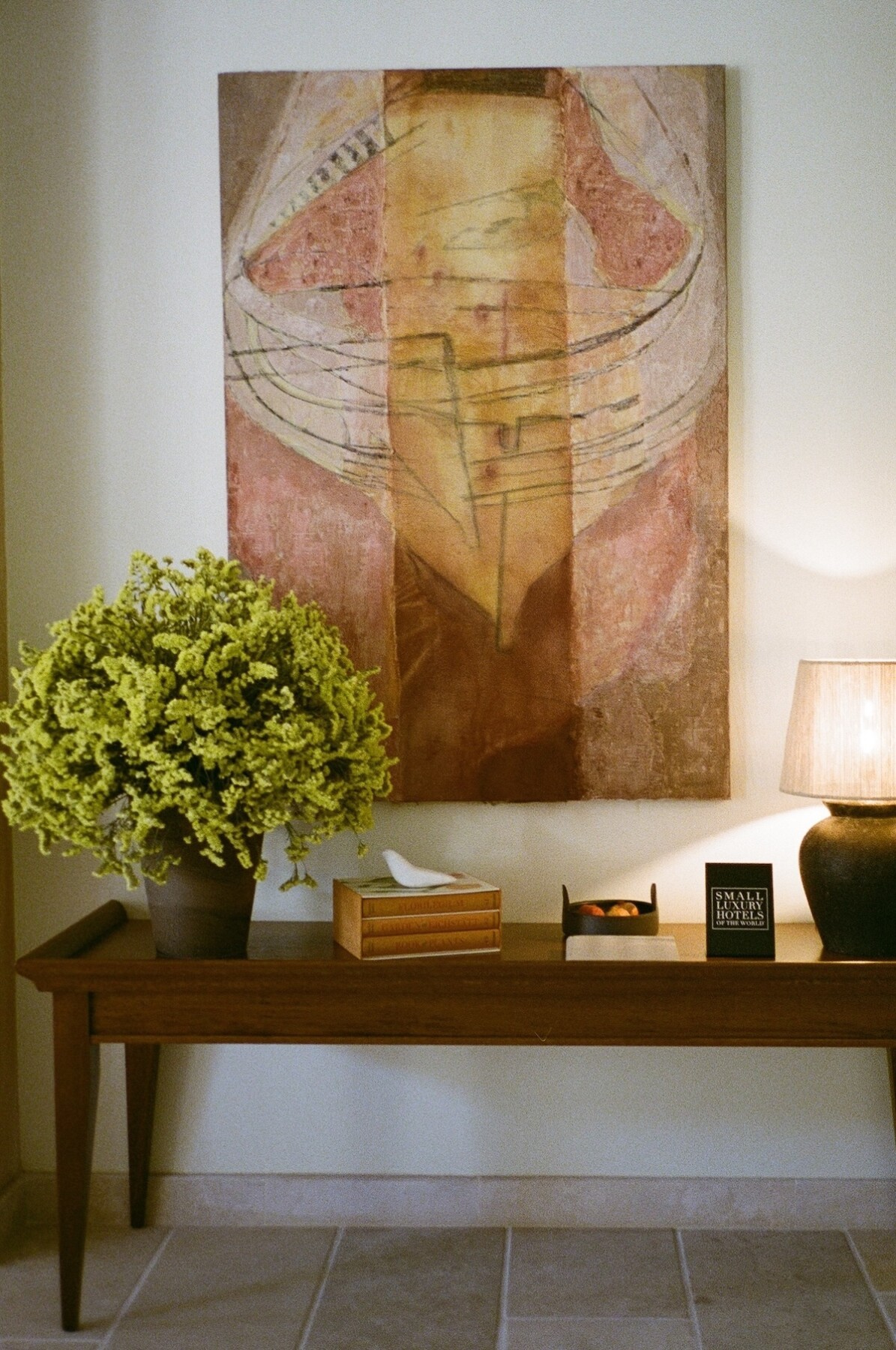
Phaea Blue is designed to connect with nature, design, art, food, and like-minded people. A place that guides you to discover and embrace their devotion to pushing boundaries of luxury hospitality.
In the end, it was the stillness of off-season travel that stayed with us most: the slower pace, the quieter coastline, and the feeling of the experience without rush.
Book your stay at Phaea Blue and explore, unwind, and embrace a truer, timeless Greece.