Inside IDEA, the London Bookstore Keeping Physical Media Alive
Culture — 12.05.26
Words: Mia Mazzocchi
Photography: Amanda Sheik
In a culture dominated by digital consumption, IDEA co-founder Angela Hill rejects the notion that physical media is on its way out.

Tucked away on the streets of Soho, IDEA Books has become a sanctuary for the digitally drained. Lined with rare and one-of-a-kind titles, it’s a place built for discovery—a fuel for your latest inspirations. What originally began as the growing demand for Angela Hill’s personal print collection serendipitously evolved into one of London’s most highly curated book and magazine stores, spanning interior design, fashion, and photography.
As you walk up the stairs and past the threshold into IDEA, expect a wealth of knowledge in the form of archival magazines, vintage photo books, and newly published titles that make up the bookstore’s unique curation.

A passion for archiving created a synergy between the founders, including Hill’s husband, David Owen, and the wider team, who fuse their individual interests into an expansive, culturally resonant mix of physical media. When discussing the current state of physical spaces today, Hill jokes about the newly profound importance of “having an experience” in-store, with third spaces becoming increasingly coveted among younger generations desperate to live authentic experiences outside of the virtual world.
However, like many things in the digital age, authenticity has fallen into becoming a buzzword in a sea of surface-level performative behavior online. In contrast, IDEA is simple in nature, while cultivating a large, engaged audience. “We don’t need any gimmicks because the main attraction is coming to see all these wonderful books with amazing images and information,” notes Hill.
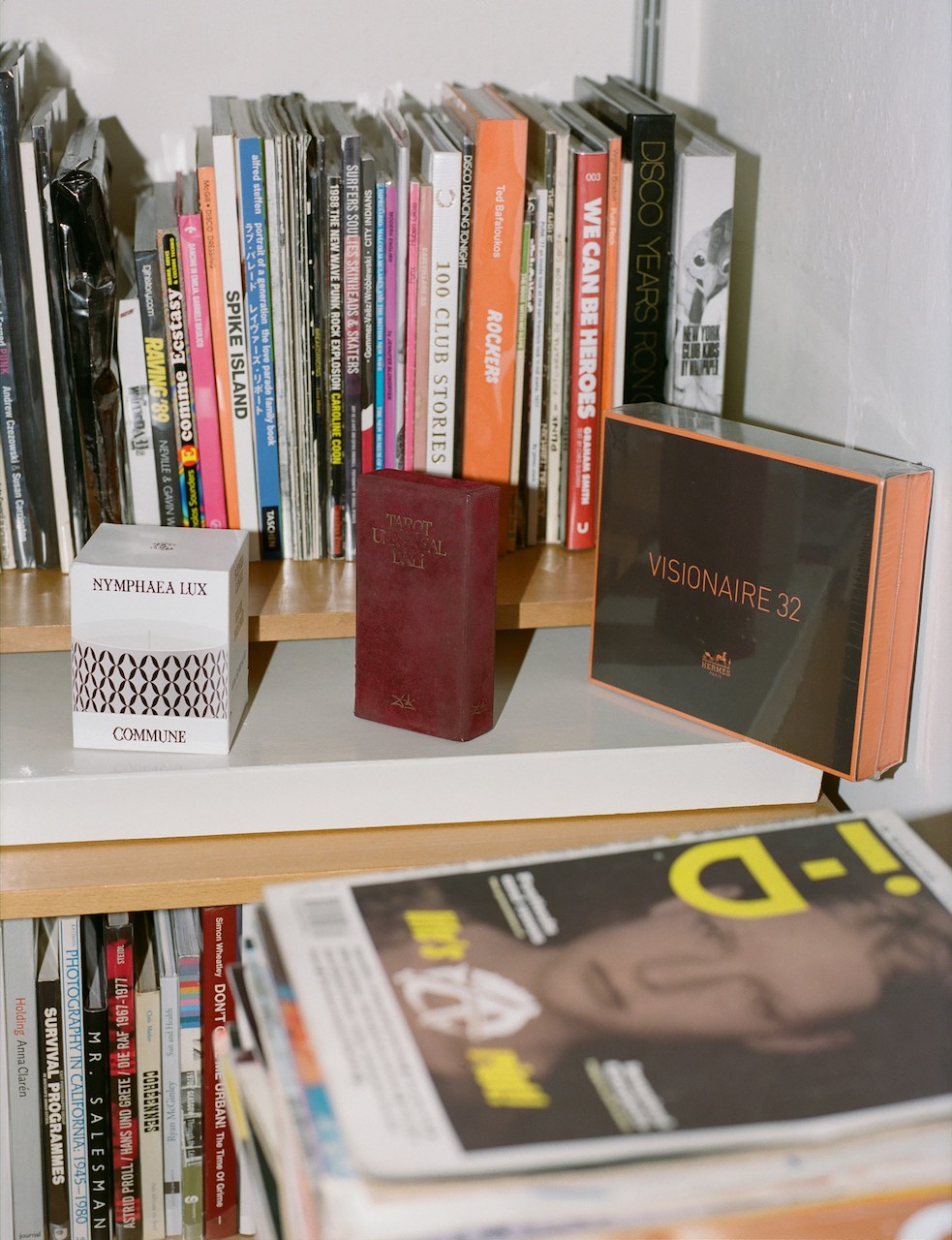
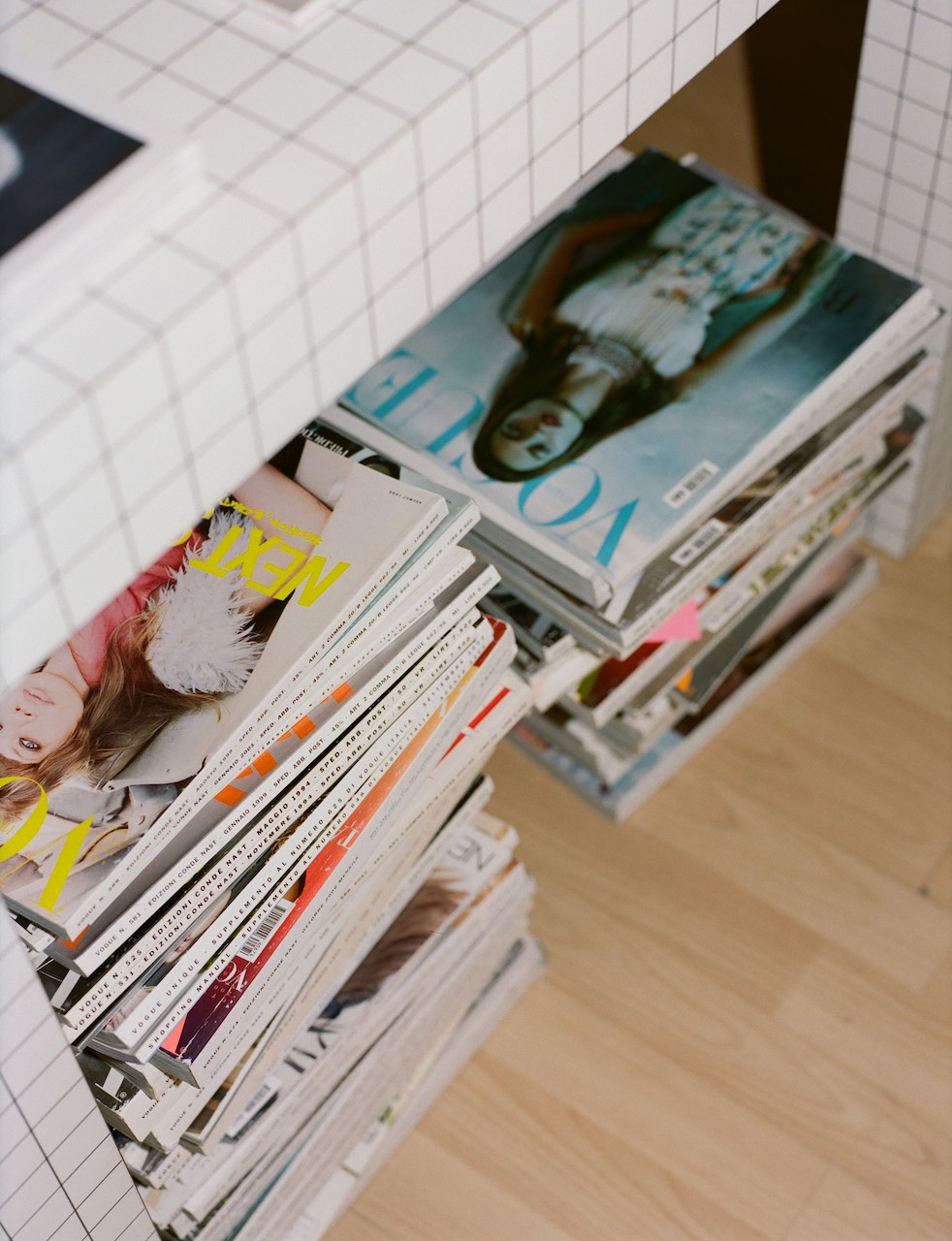
In a digital-first culture where content is fleeting, access to physical media and archives has become an important tool in expanding our sources of inspiration. As AI usage within creative spaces surges and floods our timelines, people are turning away from their Pinterest boards in an act of rebellion, gravitating toward physical media in longing for a time that no longer exists. The nostalgia tied to the ’90s remains a continuous point of reference online for fashion aspirations.
While the digital realm appears unlimited with frictionless access, IDEA proves there are still many limitations. “We have thousands of books and magazines, [however] only a tiny percent of those have any images online,” says Hill. It’s a reminder that thousands of potential references still live offline.
Physical media may not be the first point of call for younger generations, but it remains vital in providing unique source material. Think photography zines from the ’50s or ’60s, or limited runs of niche art books that only exist in print. “Fashion students come in and they’re just astonished. I say, ‘That’s because you’ve been doing your research on Google. You’re looking at the same 100 images that everyone else in the world is,’” Hill says. “I think it’s quite hard to find imagery online that we have here.”
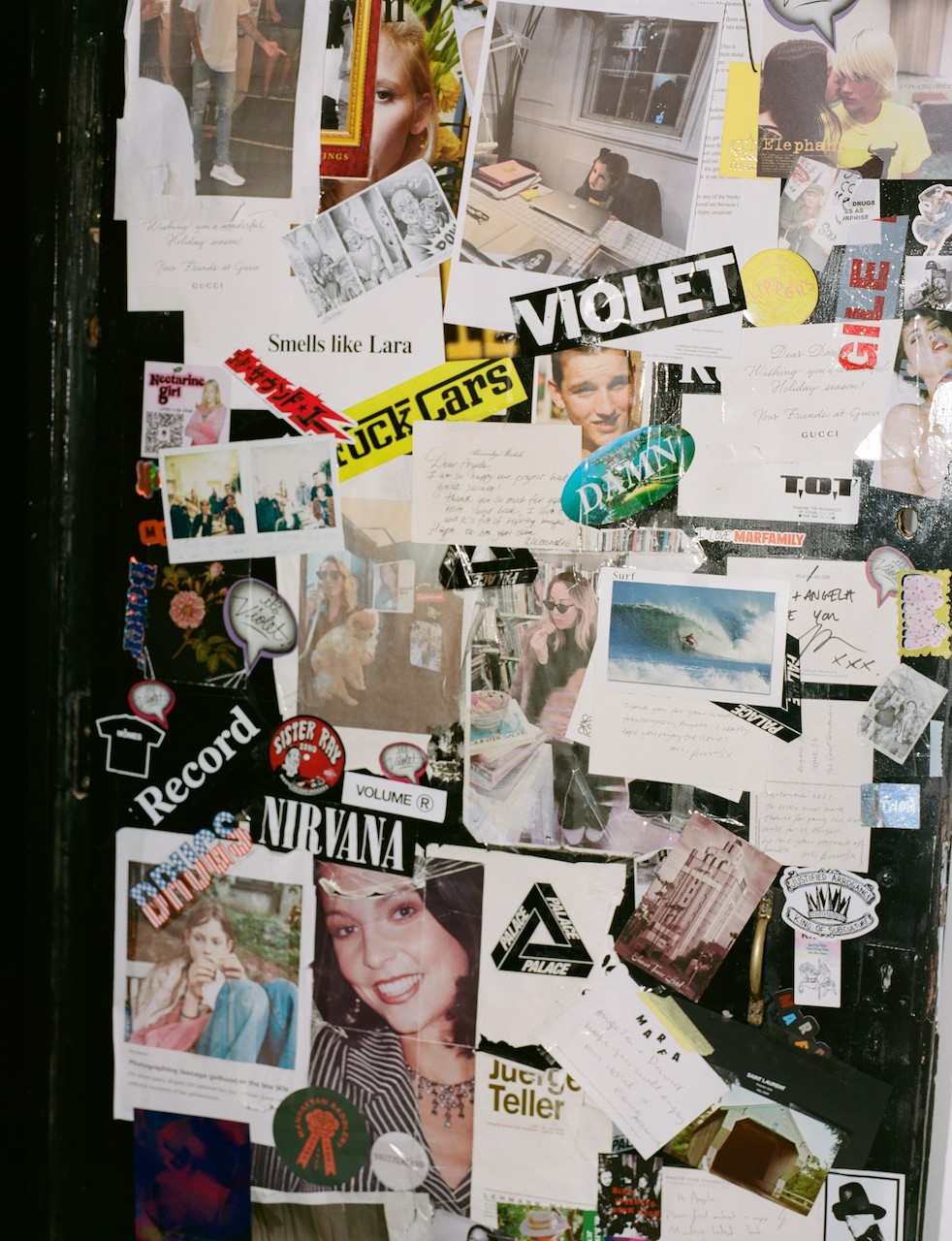
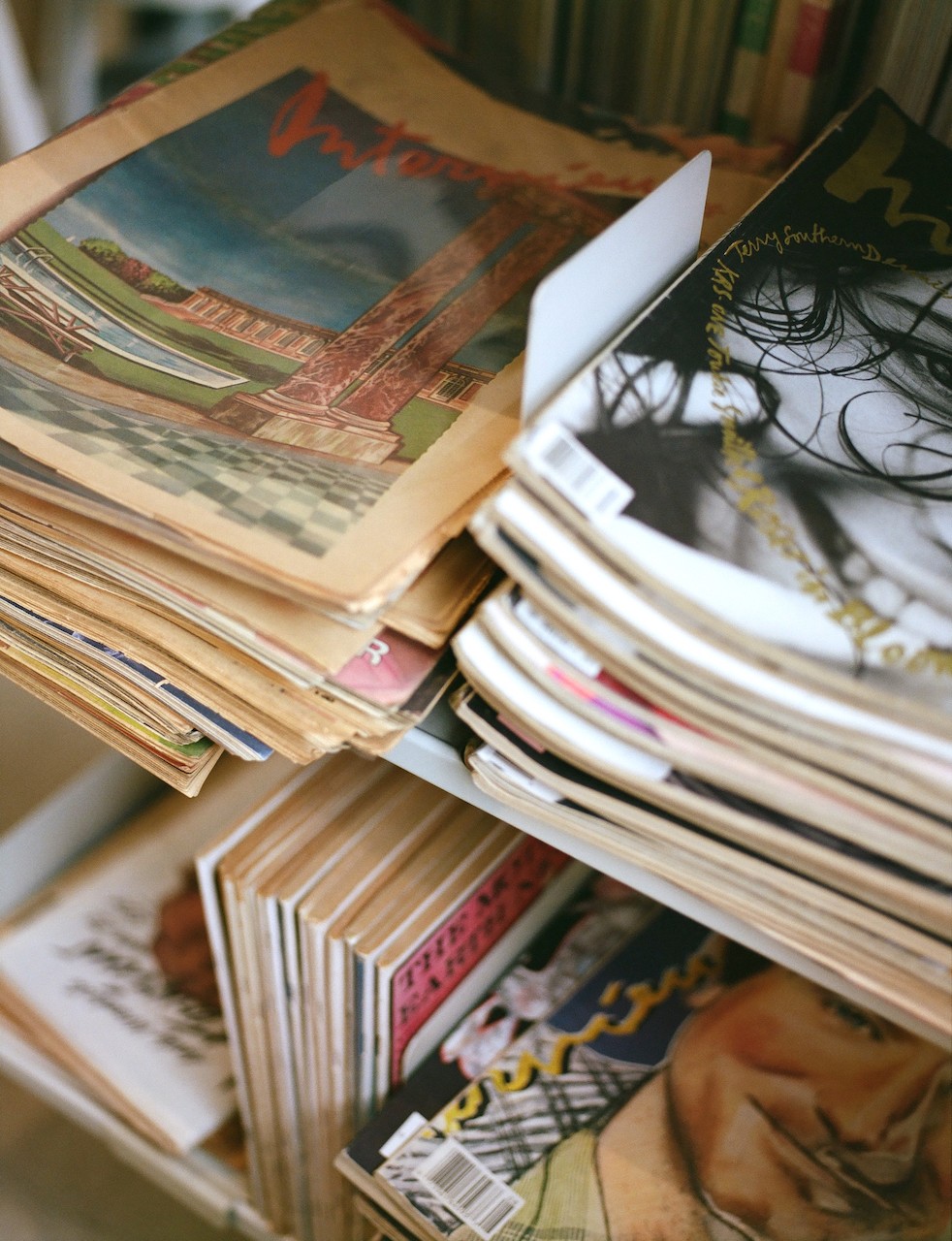
As more people grow fatigued and seek to reduce their screen time, the trend of “analog living” has circulated widely online. Luckily for IDEA, human interaction is one of its many charms. Between the tactile act of hand-searching through books and the one-on-one tailored recommendations from Hill and the team, the in-person experience renders more fascinating results than any Google search. “Maybe what you thought you came in for and wanted [shifts] and suddenly it’s taken your brain in a whole different, wonderful pathway. And you then ask, ‘Have you got any more books on Miles Davis from the ’80s? Yes, we do!’” says Hill.
Like any contemporary brand or business, IDEA doesn’t shy away from leveraging social media. From an engaged Instagram audience to celebrities sporting their merch and generating worldwide curiosity, it has been an integral tool in building a global community on their own terms. Hill describes their best-selling book ever, Women by Nadia Lee Cohen, which garnered exceptional buzz far beyond London thanks to social media. “We were having so many emails, DMs, phone calls from all over the world—young girls who were taking a lot of inspiration from Nadia—and we were the only way to get their hands on this book. Without Instagram, how would they have known that some company in London published a book by their idol?”

Even with a booming social media presence, nothing rivals the physical experience. At IDEA, spending forty-five minutes or longer browsing the shelves is the norm. Hill reiterates that finding the ideal book isn’t as quick as a ChatGPT prompt, encouraging a more intentional approach to media consumption. From long-time followers visiting London to fashion professionals researching their next collection or campaign, the store attracts a wide creative community, including regulars from Central Saint Martins whose relationships with the store have even led to IDEA shooting and publishing student lookbooks. “Big fashion companies come in with maybe 10 people at once where they’ll spend three hours, have lunch, and come back to do further research in the afternoon,” says Hill.
Never revealing more than an image or two of their latest releases online only heightens intrigue among followers eagerly awaiting what’s next for the shelves. “That’s why people spend a long time [in-store]. They arrive from Australia or elsewhere and say, ‘I’ve followed you for years on Instagram, I didn’t realize you had so much here.’ They’re only seeing a few books online—they don’t realize it’s one of hundreds of thousands,” Hill laughs.

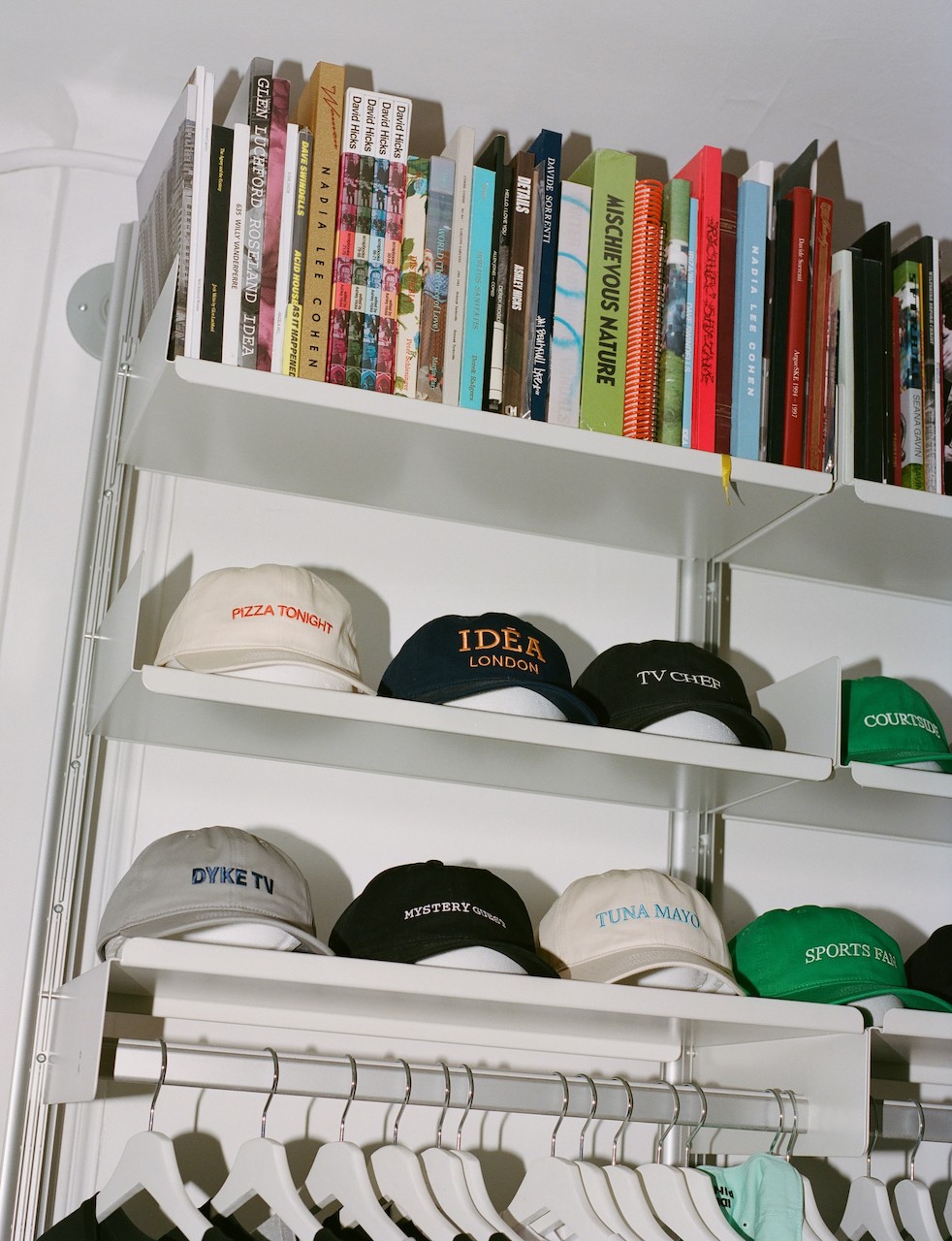
As important as places like IDEA are in keeping archival prints and niche material alive, bookstores in London have become increasingly less common over the years. That preservation of print culture is perhaps best reflected in Hill’s own title recommendations: “The book of the film Paris, Texas, a double-volume set of The Interior Book/Living Interiors—volume one is Japanese interiors in the ’70s, volume two Japanese interiors in the ’80s. They’re the most astonishing books. Thirdly, Perfect by Nadia Lee Cohen.”
Follow IDEA on Instagram and discover its latest releases online.