A Place For Us: UNNA Honeymoon on the Island of Puro
Travel — 26.02.26
Words & Photography: Matylda Sala
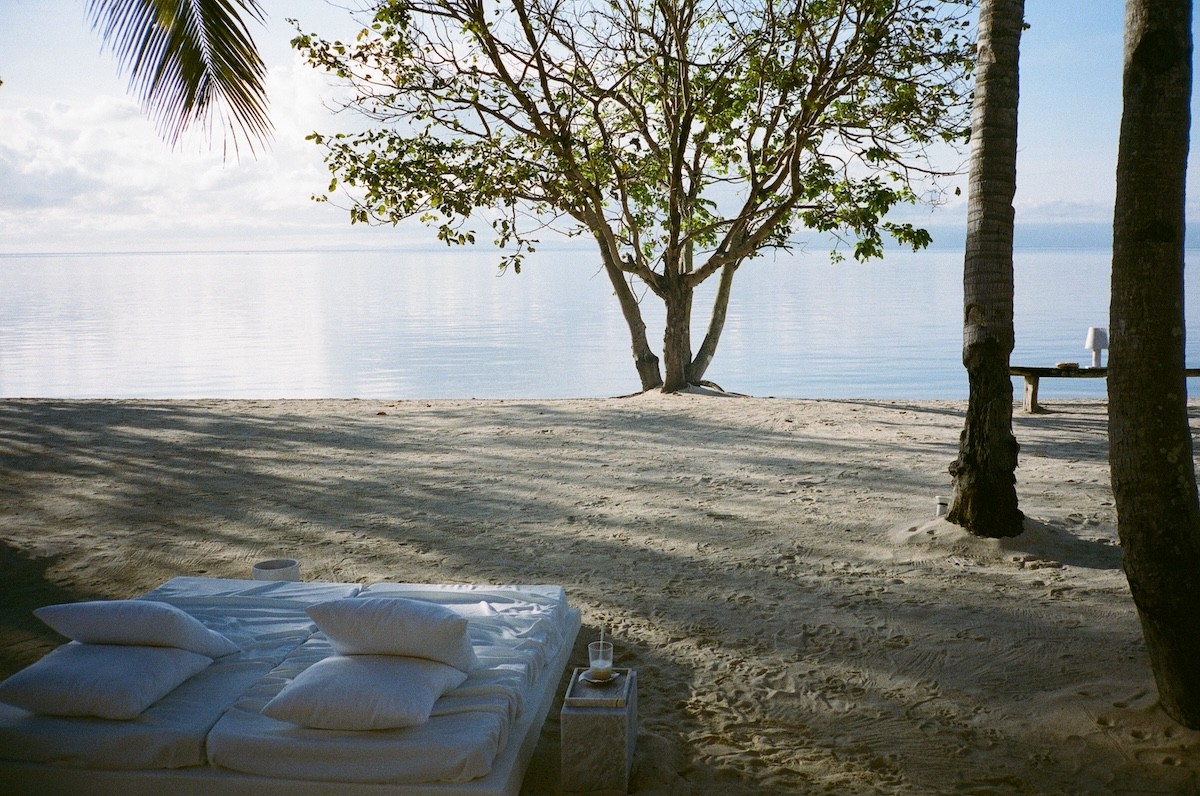
When I first came across UNNA, it felt like a place meant for us. I like to think my husband and I have similar tastes, appreciate similar things, and tend to move through the world with a shared visual language—drawn to textures, light, and spaces that feel meaningful. UNNA was exactly that: a place where minimalist design meets the serene beauty of nature, where the architecture, the landscape, and the community all come together seamlessly. Set on one of the Philippines’ most secluded islands, it was clear from the start that this would be our honeymoon.
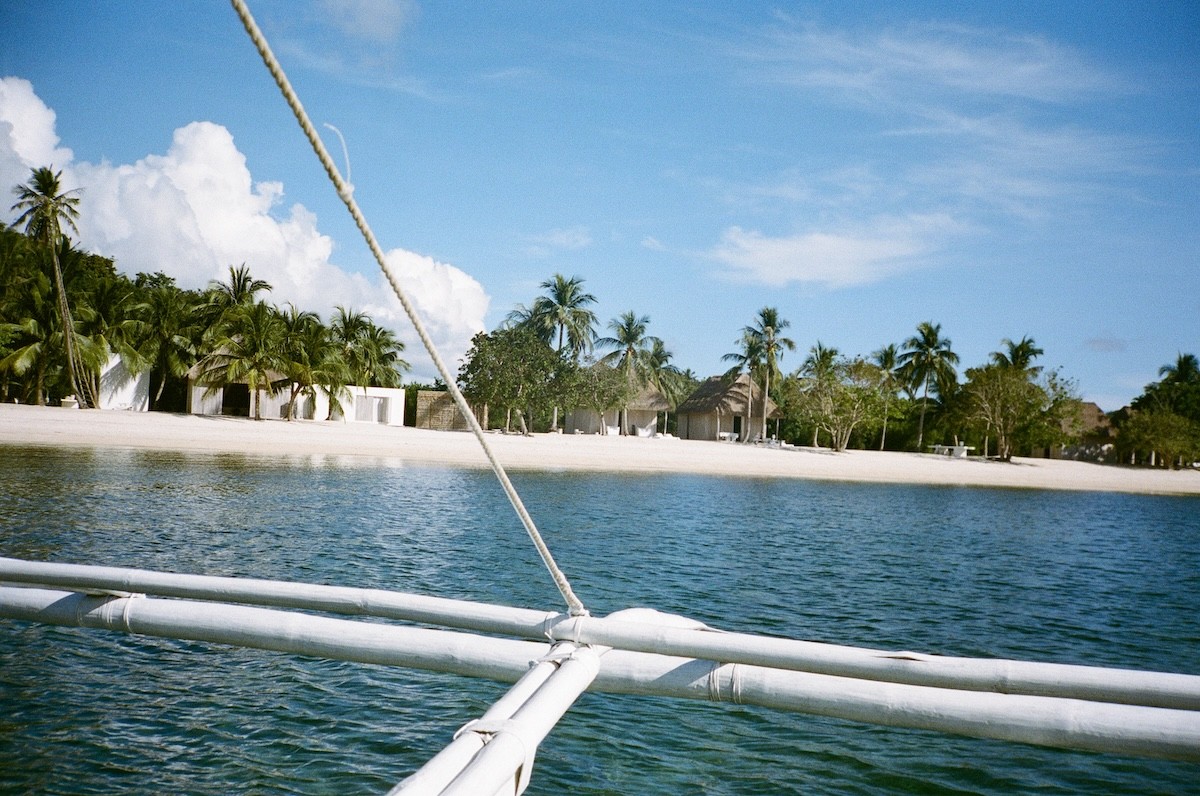
We got married in June last year and waited patiently for the end of the rainy season. In the Philippines, the monsoon lingers well into November, and we wanted sun—real sun—the kind we miss living in London. We arrived at the beginning of the dry season, a small gamble with the weather but one we were willing to take for the promise of sea and light. After a weekend in Manila spent shedding jet lag, we flew to Caticlan early on a Monday morning, only to miss the first of two public boats to Santa Fe. We had planned to travel the local way through Romblon, but plans shift easily in transit. Luckily, my husband very quickly had arranged a private speedboat that would take us directly to UNNA.
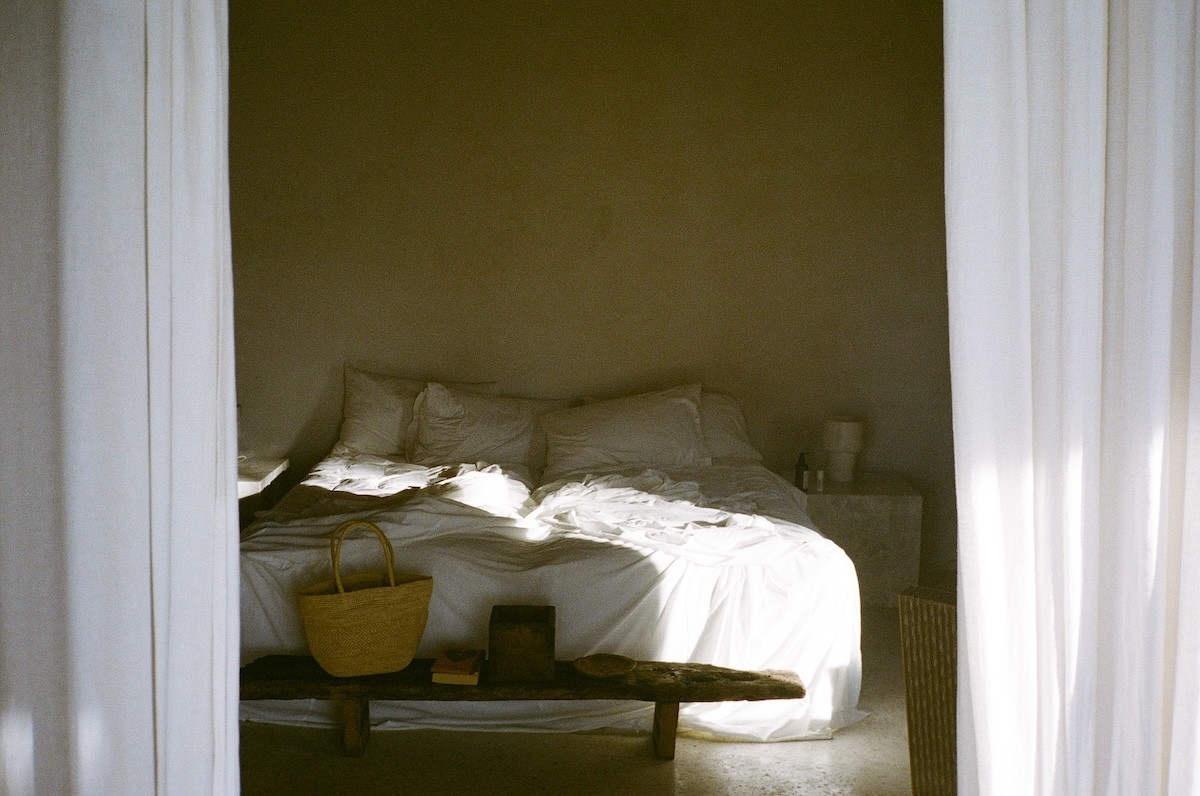
UNNA operates as a private island retreat. For an intimate experience, they host only one group at a time. Not only were we the only guests on the island, but we discovered we were also the first couple to honeymoon there. Founded and designed by Vianca Soleil, the space feels more like a lived-in vision: a family-run sanctuary built in collaboration with the local community. With only about a hundred families living on the island, the property was built entirely by locals using natural materials, blending minimalist design with the rhythms of island life. The result is a collection of huts and shared spaces that sit lightly within the landscape—minimalist but warm, deliberate yet unforced.
The shared spaces and the details deserve a particular kind of mention. The library, filled with art and history books. The marbles, I found out from Vianca, are sourced locally from nearby Romblon, an island known for its stone. The ceramics that have been collected from Japan. All objects feel chosen rather than styled. Nothing is excessive; everything has its place.
Beyond its spectacular design, UNNA is deeply connected to the island community. Through the Art Club, a bi-monthly program with local school children, creativity becomes part of the island’s rhythm. It’s a reminder that this is not an isolated luxury experience but one rooted in exchange and presence.
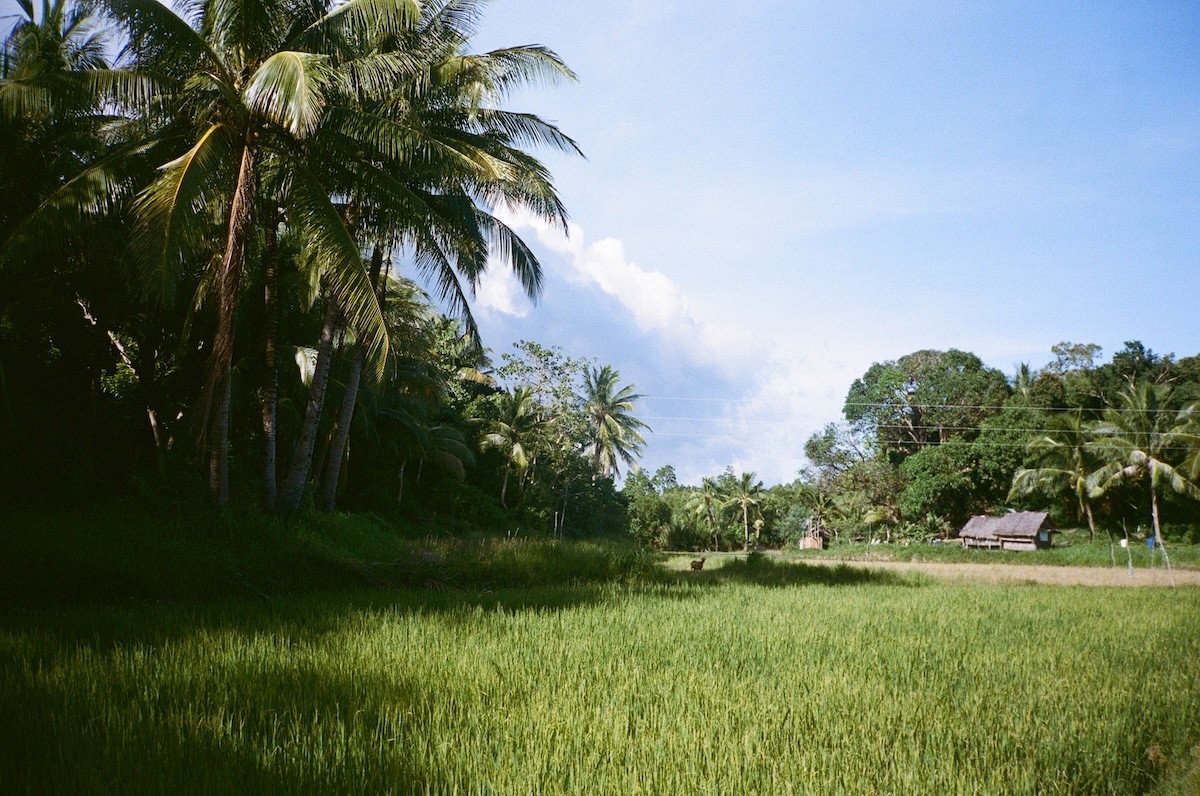
At UNNA, we were encouraged to make the most of the island’s gentle rhythm and activities. Mornings began early, our bodies still tuned to London time, waking with the sunrise. We spent long stretches snorkelling around the island, kayaking into clear water to collect sea urchins, or taking the boat out, where I would spend time reading on the deck. One day, we visited the local school, a small but meaningful glimpse into community life. One night, we chose from a selection of carefully curated films and watched Sofia Coppola’s Lost in Translation in the outdoor cinema. The following evening, over dinner, we drank wine from Francis Ford Coppola’s winery. Everything here, from curated films to the wine list, seemed chosen with care, reinforcing the sense that this was a space designed for calm, connection, and presence.
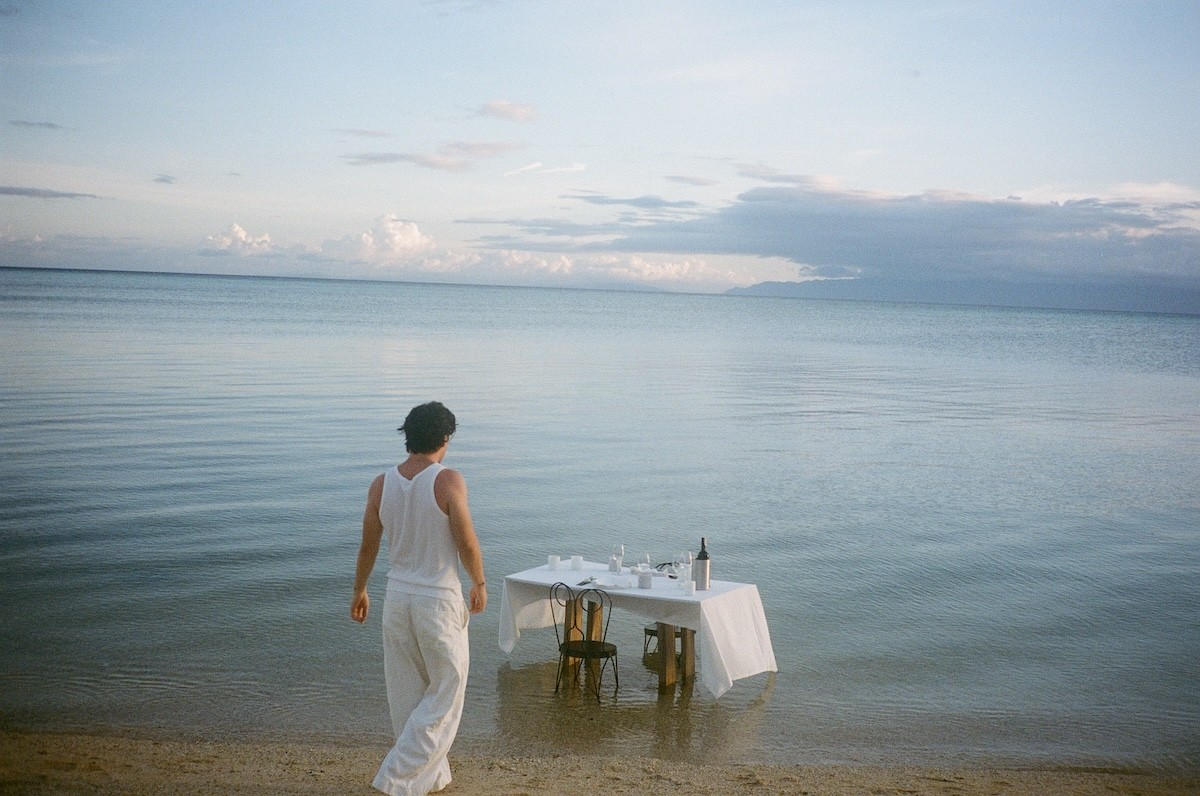
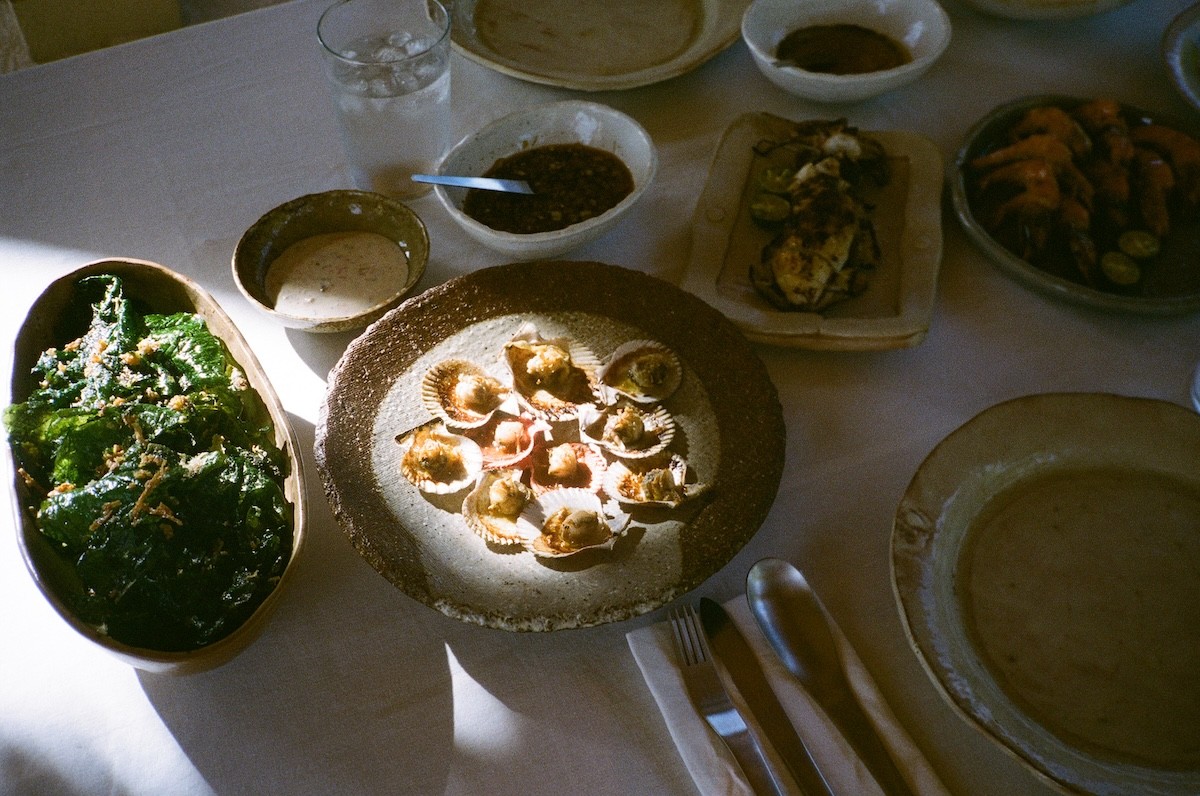
We ate extraordinarily well. Seafood became a daily constant, which felt only right surrounded by water. We discovered Calamansi juice—sharp, bright, distinctly local—quickly replaced anything else we might have ordered to drink, though coconut water remained a staple with every meal. Each dish arrived plated with care, the table set with a quiet sense of occasion even on the most ordinary afternoons. Two dinners remain especially memorable: one set in shallow water just before sunset, where we shared a meal as the tide slowly rose, moving the table every half hour as the sea crept in; the other on our final night, served in the traditional Filipino style on banana leaves, meant to be eaten with our hands. Both felt ceremonial without being formal—intimate and personal.
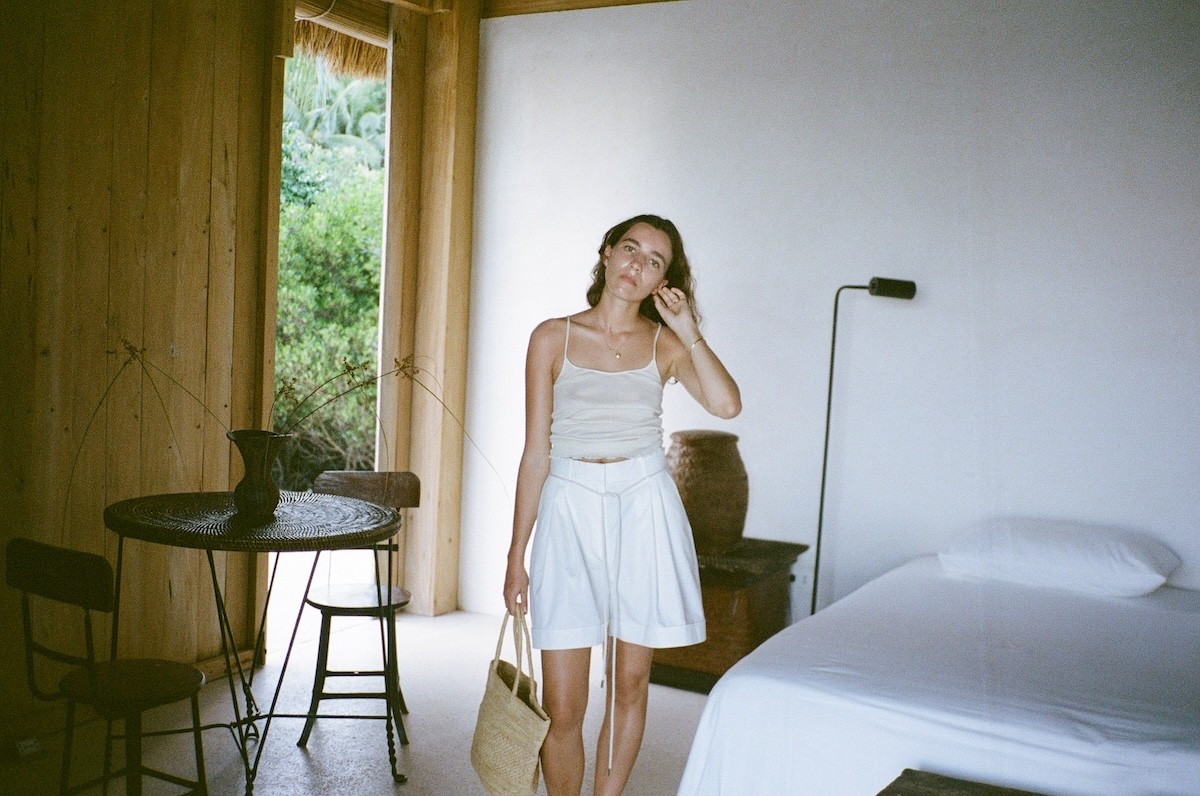
Leaving was unexpectedly difficult. As the boat approached in the distance on our final morning, a quiet heaviness settled in—the familiar feeling of departing somewhere that has begun to feel like home. We said goodbye to Vianca and the small team who had cared for us throughout the week, boarding the boat while they remained on shore, waving long after we had pulled away.
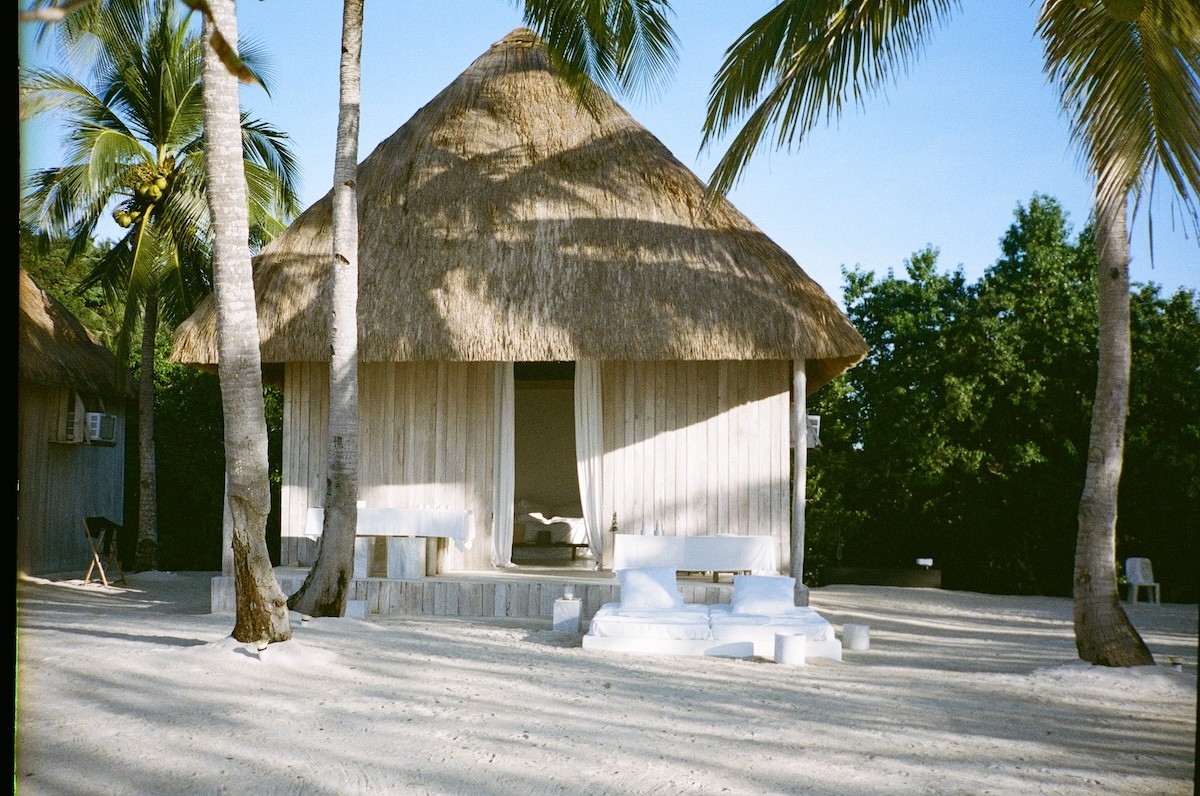
Perhaps it is a cliché to call a place special, but UNNA cannot be easily captured in words. It is not simply a destination or a design-led retreat. It is an experience shaped by people, landscape, and intention—one we remain deeply grateful for.
Discover more about UNNA by visiting their website and Instagram.