Arlo Parks: Suspended in Soundscape
Music — 04.04.26
Words: Gabriella Onessimo
New York City is immortalized by its iconic ephemera and culture, with a nightlife pulse that feels as indelible as the city’s own mythology. For Anaïs Marinho—better known as Arlo Parks—that pulse became both backdrop and catalyst in her latest release, Ambiguous Desire.
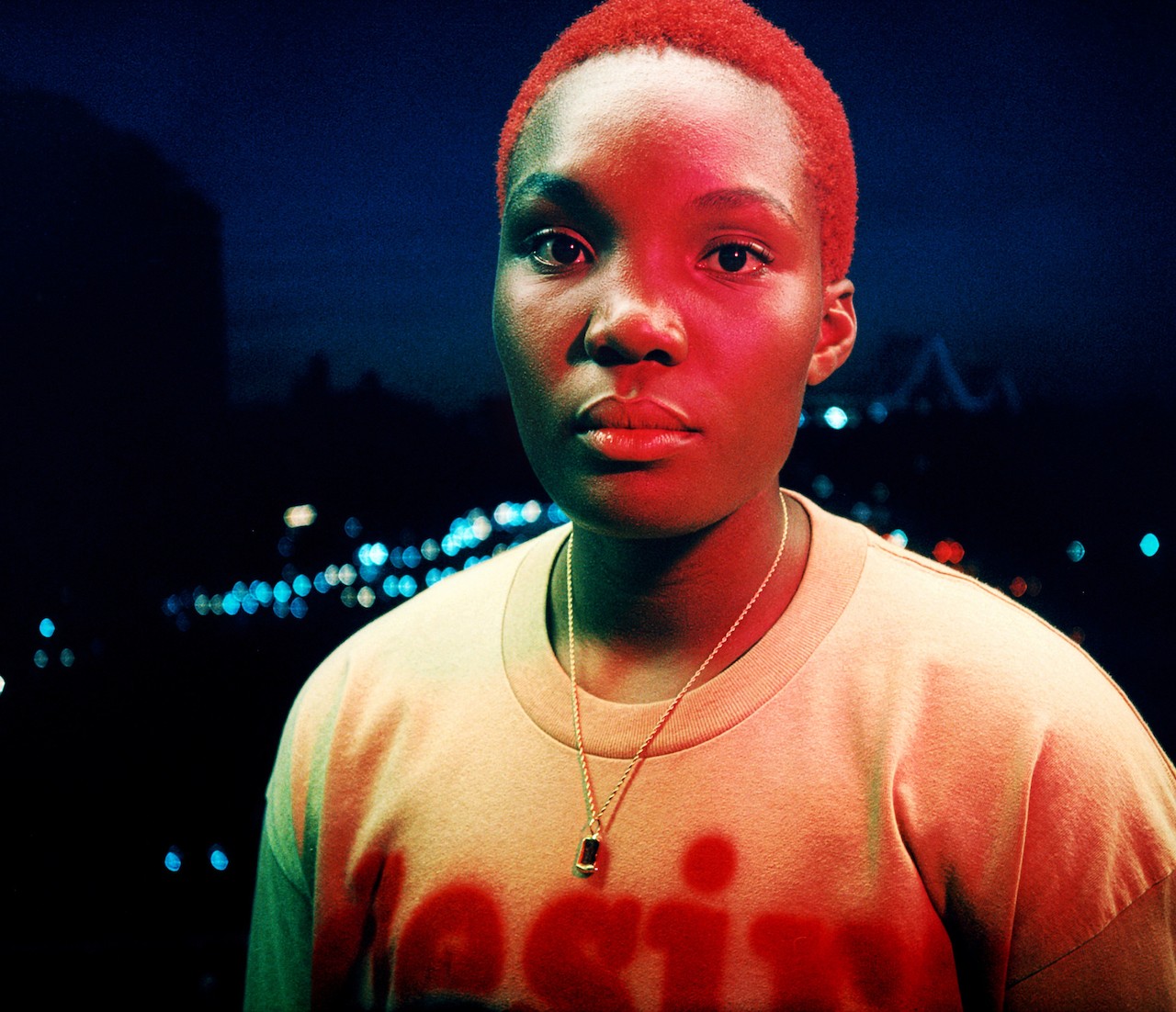
© Joshua Gordon
Marinho, who has been on a steady, assured rise since her 2021 debut Collapsed in Sunbeams, steps into a more expansive, fully realized era. The album’s origins are almost incidental, as a summer spent immersed in New York nightlife wholly enthralled the work.
In the process of creating the album, those nocturnal spaces naturally bled into the music, cementing itself as a time capsule of this point she’s reached as an artist, which is surely her most evolved. “[It gave me] a new confidence and creative courage,” Marinho says of the creation process. “I trusted myself more, took risks, and gave myself time. It’s also the most fun I’ve ever had making a record.”
Across 12 tracks, a hypnotic electronic-pop undercurrent meets the introspective lyricism that has become her signature. The record moves like a night out, tracing the momentum from stepping onto the floor to the climax: the body high, the disorientation, the slow, hazy comedown as darkness passes into morning.
In a world where escapism feels inescapable, dancing becomes one of its most poignant forms—a somatic kind of therapy. As atmospheric as it is raw, Ambiguous Desire conjures up bodies in motion, darkness punctuated by flashes of neon, surround sound that seeps into the bloodstream. “I think it’s not even just being on the floor, but being alive,” Marinho reflects. “We move through highs and lows every day. It’s the same on the dance floor. You can lose yourself completely, and then something pulls you out of it.”
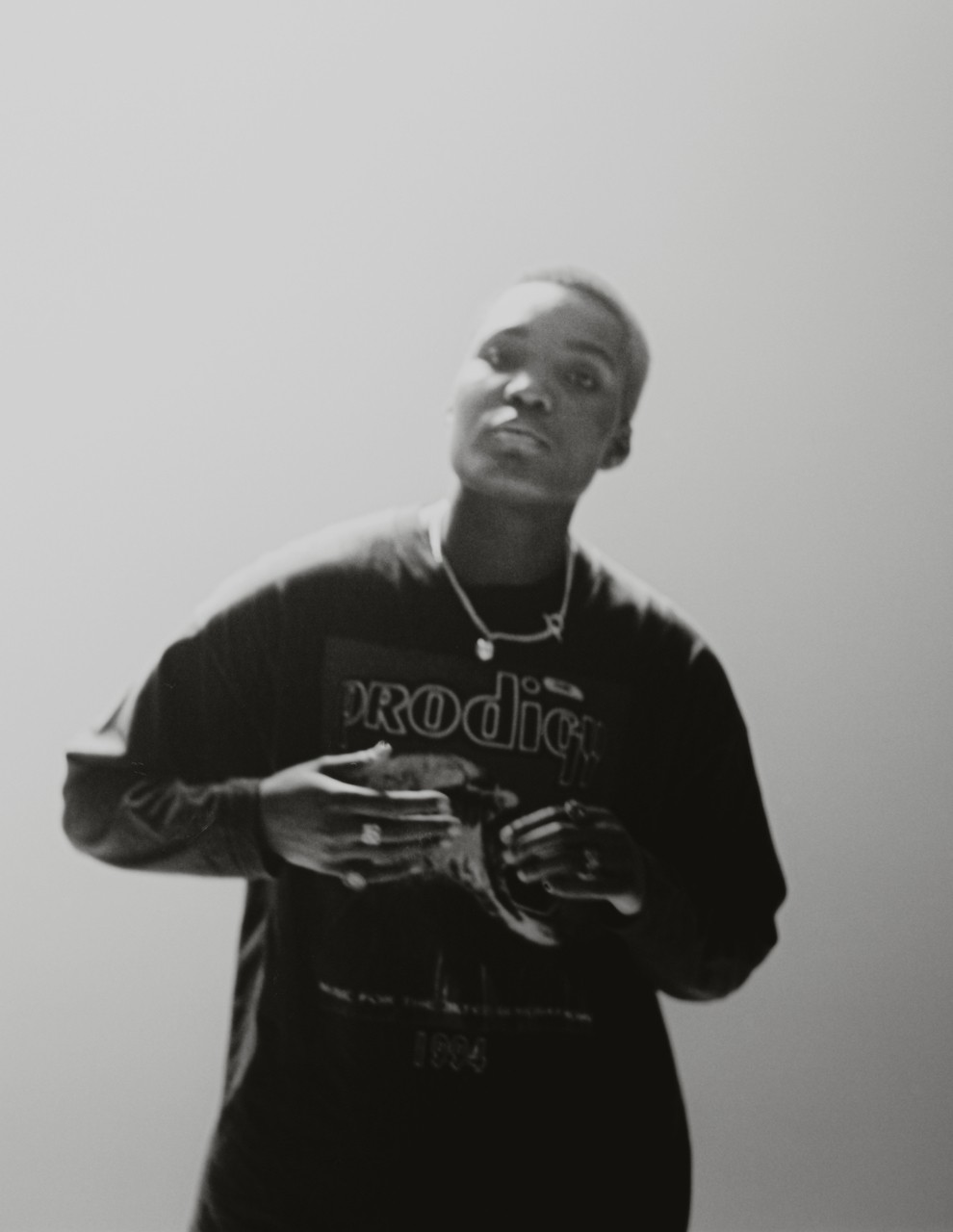
© Sully
That sense of immersion is mirrored in the album’s sonic and referential backbone, unfolding as a collage of inspiration. Drawing from the spacious textures of Burial to the richness of Sade’s vocals, the result is a layered sound that mirrors the movement between spaces, moods, and memories, each track pulled from each stop along the way.
Producer Baird anchors that vision, whom Marinho describes as a “sonic partner in crime.” Together, they approach the album as a creative partnership shaped by world building, rather than a traditional producer-artist dynamic. His influence also introduces Baltimore club and its distinct breakbeat patterns to shape a more tactile drum language.
“I wrote this phrase, ‘Desire is an engine,’ that I held almost like an ethos or a thesis statement,” she says. That driving force, almost emblematic of human condition, threads through the record as what we yearn gives way to revelation. “We’re so driven by the things and the people that we want, and you learn so much about a person by the love that they connect to.”
From the smooth, bouncy synths of “2SIDED” to the dreamlike atmosphere of “Senses” featuring Sampha, the record moves between states of euphoria and introspection. There’s a deliberate tension at play throughout—the music often buoyant where the lyrics are bittersweet, or vice versa.
Marinho’s writing process also remains rooted in observation. “I’m always very much inspired by fragments of conversation… picking little words or phrases or ways of conveying a feeling that I gather from poems and from books that I’m reading,” she explains. While working on the album, she gravitated toward memoirs that mirrored her own immersion in those spaces—citing works like McKenzie Wark’s Raving, which chronicles a return to club culture through a trans lens and Kim Gordon’s iconic Girl in a Band.
While New York served as an anchor, the album was shaped in motion—between Berlin, London, and beyond, each city leaving its own imprint. She recalls a particular evening watching her friend open for Caribou beneath the Sixth Street Viaduct in Los Angeles. “It was a perfect night—great people, beautiful energy,” she says. “That night inspired a lyric in ‘Helen.’”
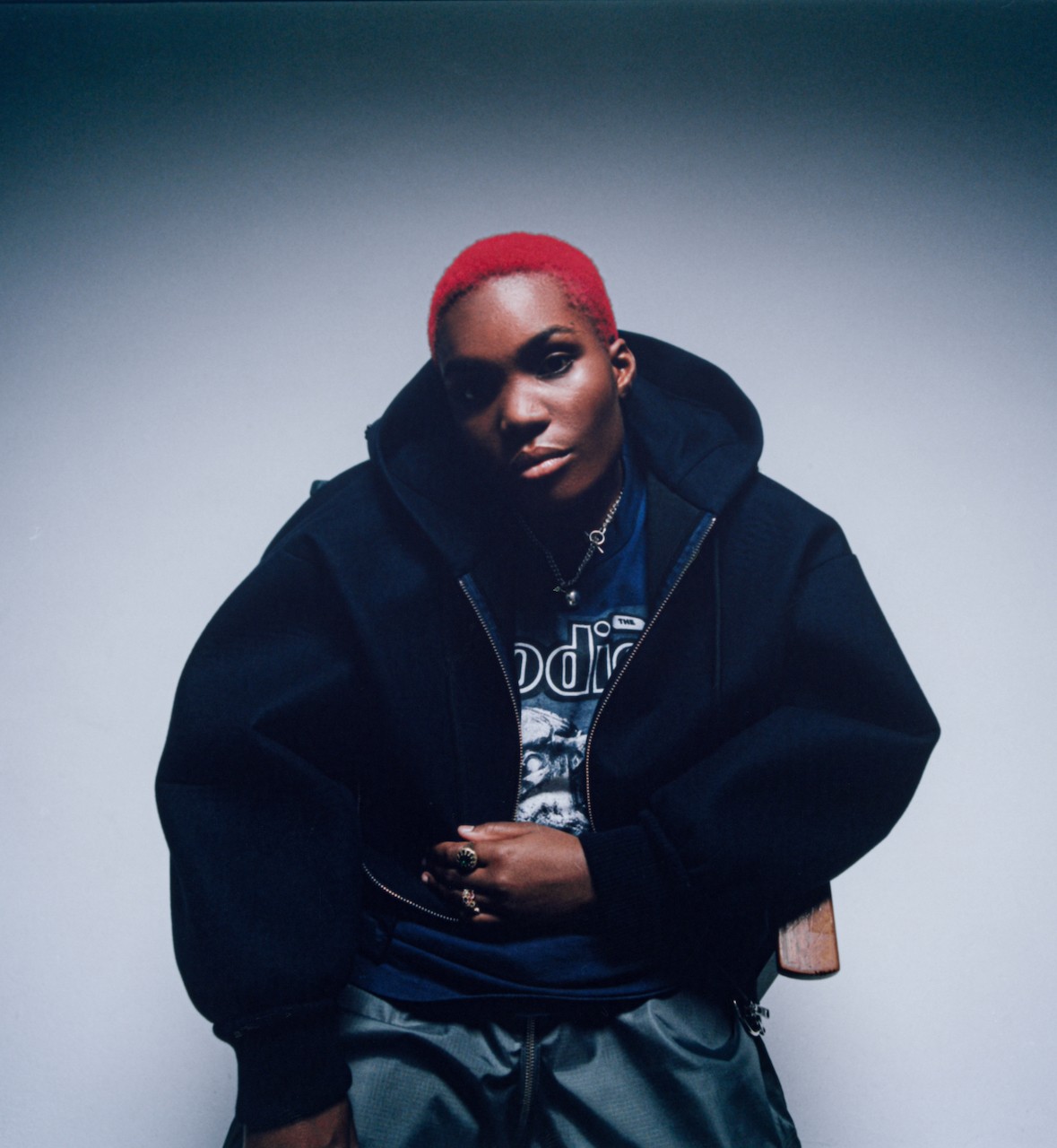
© Sully
Back in New York, spaces like Nowadays and Basement, with their strict no-phone policies, offered a different kind of clarity, forcing presence in a way that feels increasingly rare—a marker of what makes the scene endure beyond the space itself. “Cities are ever-changing, but there’s something really rich and resilient about New York club culture,” she says. “Even if spaces close or ebb and flow, there are so many people wanting to keep the legacy alive.”
That resilience becomes one of the record’s quiet through-lines. Nightlife, particularly in marginalized and underground spaces, has long functioned as both refuge and release. Ambiguous Desire both pays homage to that legacy and holds space for it, tracing a new wave of nightlife that feels of the essence.
We’ve all had those moments, when music shifts something almost imperceptibly, but permanently—an ethereal kind of feeling that lingers throughout Ambiguous Desire, where each track holds the possibility of becoming a moment that stays with you. For Marinho, one memory stands out: “Hearing ‘Born Slippy’ by Underworld closing out one night. It felt solitary and euphoric at the same time,” she says. I came out of it feeling like something small in me had shifted.”
Stream Ambiguous Desire in its entirety below and stay up-to-date with her upcoming tour schedule through her Instagram and website.