Abodi Transylvania: Where Folklore Meets Couture
Fashion — 09.02.26
Words: Chaima Gharsallaoui
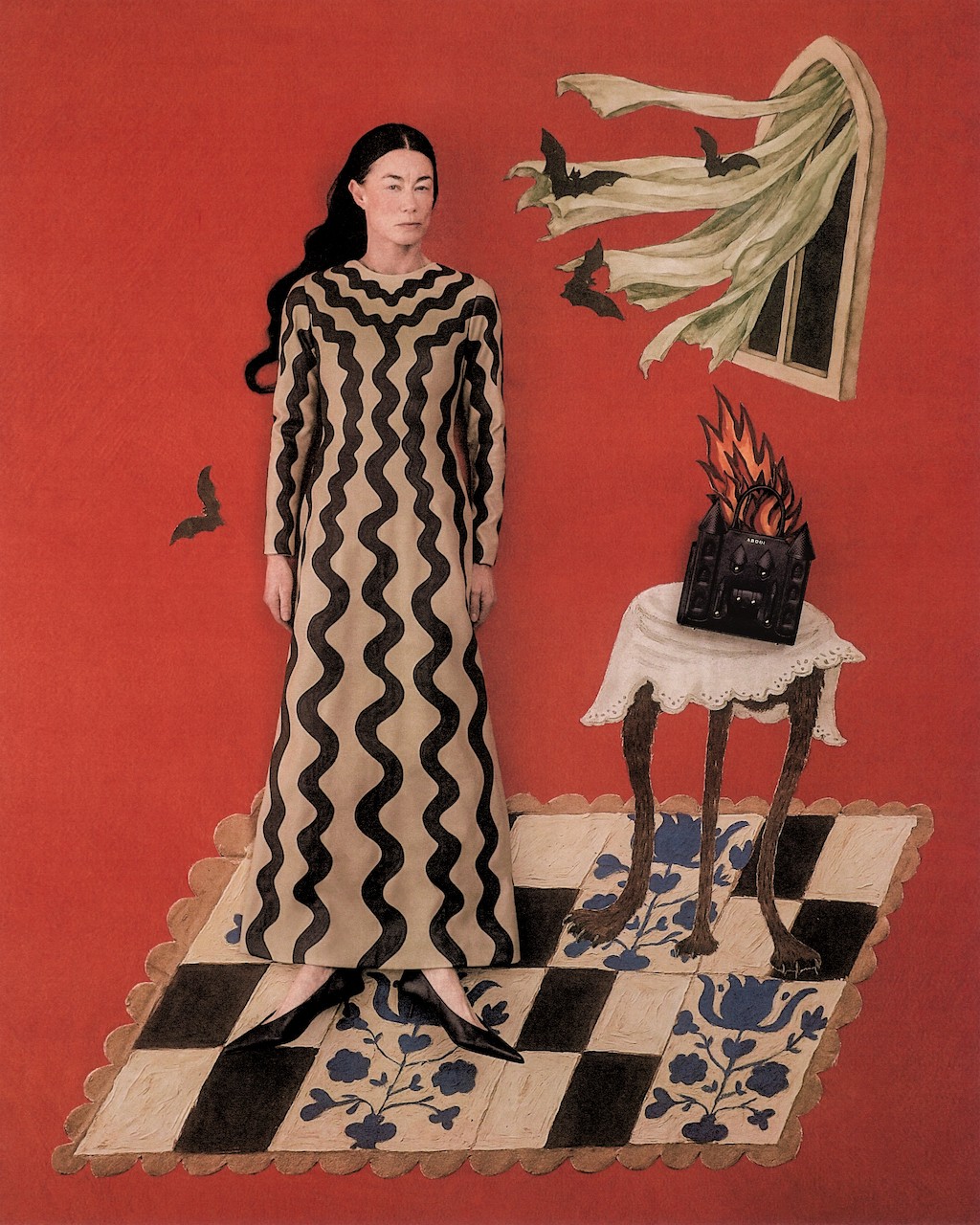
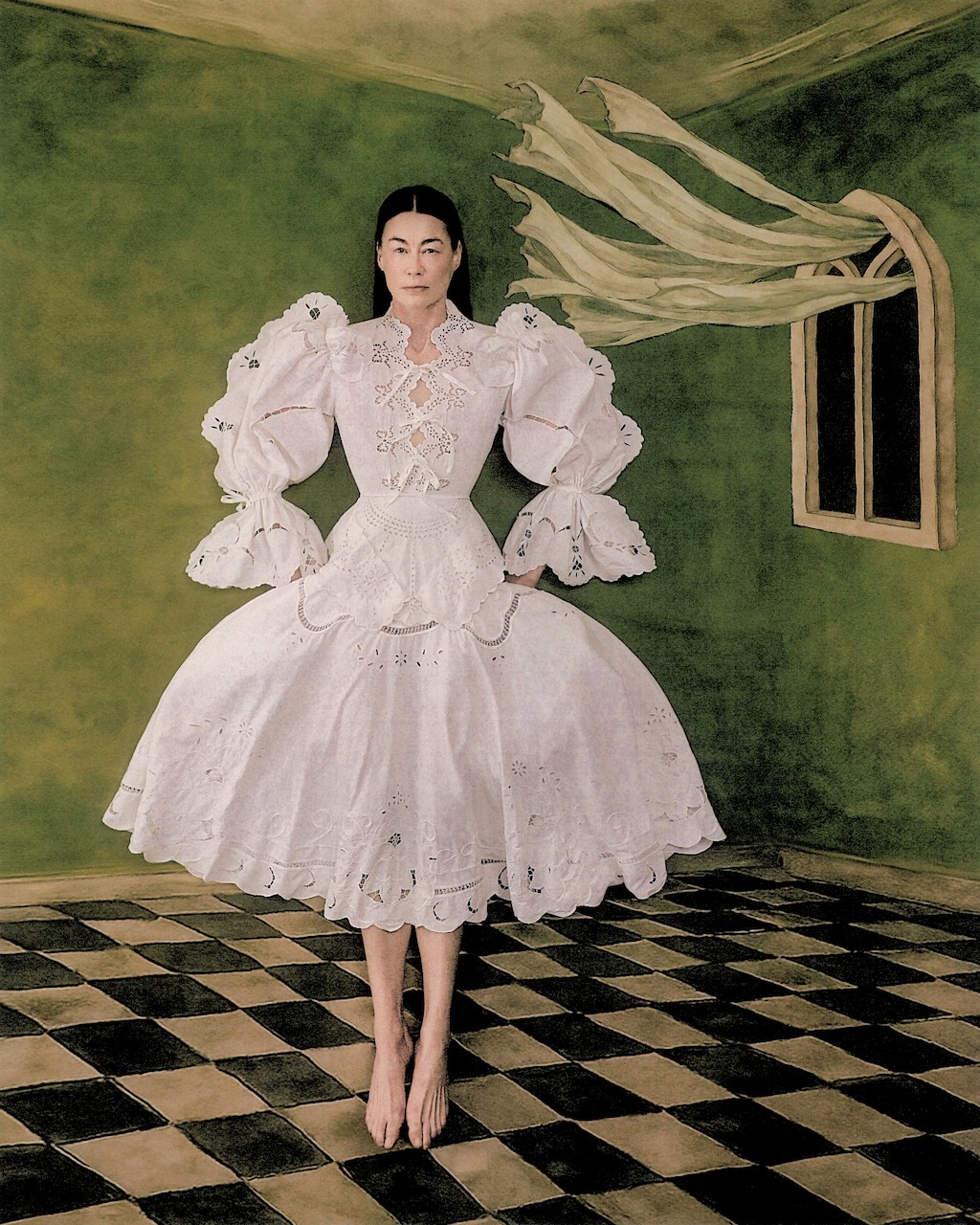
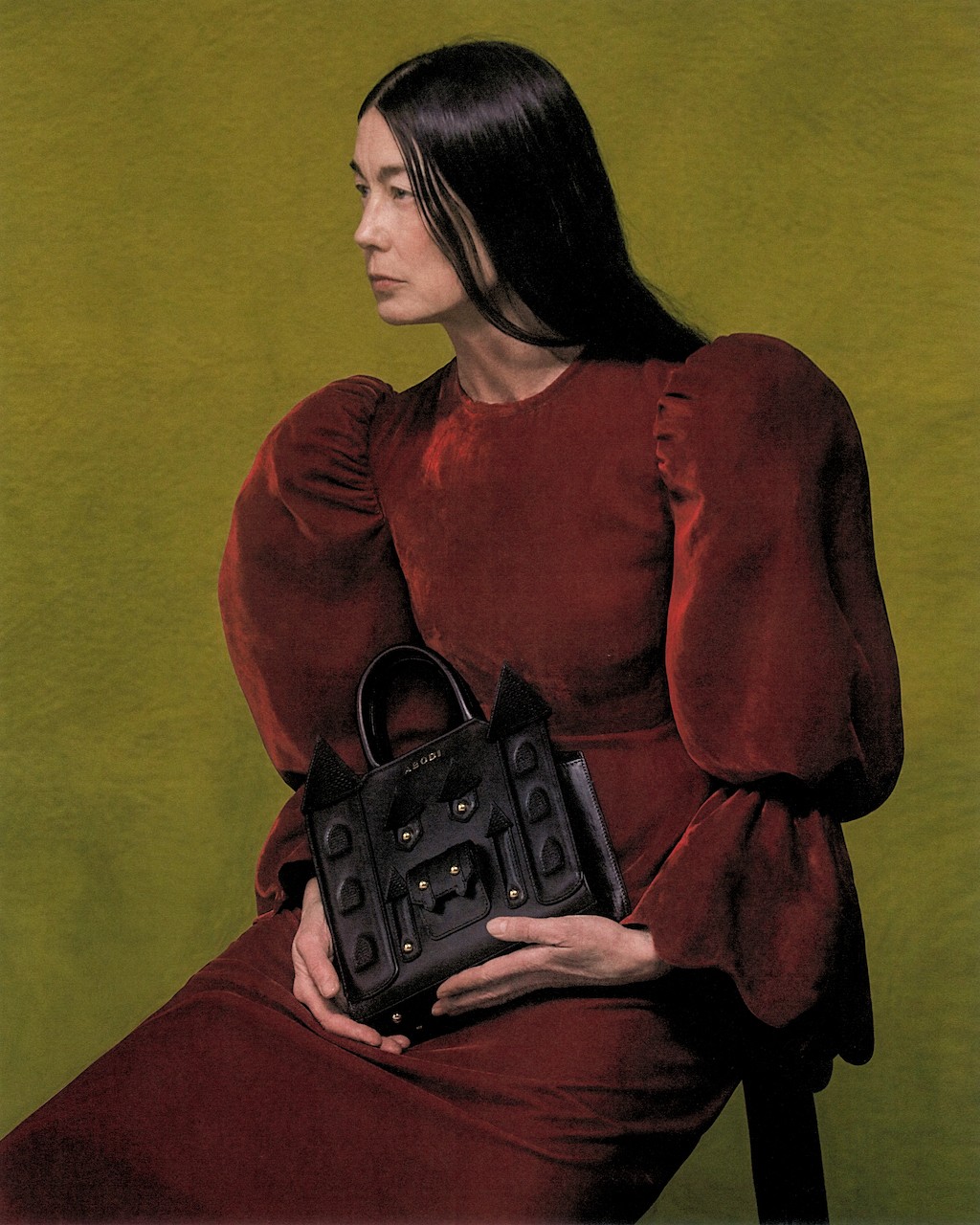
Abodi Transylvania is a fashion house poised at the crossroads of folklore and futurism. Its most recent campaign, The Chronicles, unveiled during Paris Couture Week, stands as a testament to the brand’s signature vision of clothing as wearable art.
Courtesy of Abodi Transylvania
The editorial draws deeply on Transylvanian folklore, mysticism, and legend, centering on a bold reinterpretation of Elisabeth Báthory—historically portrayed as a witch and monster—reimagined as a symbol of complex and powerful femininity.
No stranger to mythology, Transylvanian-born Hungarian designer Dóra Abodi has spent years weaving an ongoing sartorial saga for the fashion house, summoning a different mythological character for each collection. In her own words, Abodi told TEETH that “Transylvania itself is a landscape saturated with endless legends and contradictions. My characters are multifaceted beings: ancient ghosts, pagan gods, centuries-old immortals, and creatures of nature. Yet, they exist in today’s accelerated, hyper-modern world. The Chronicles I create are essentially their contemporary 21st-century lives. Think of it as folklore meeting rush hour.”
-
- Courtesy of Abodi Transylvania
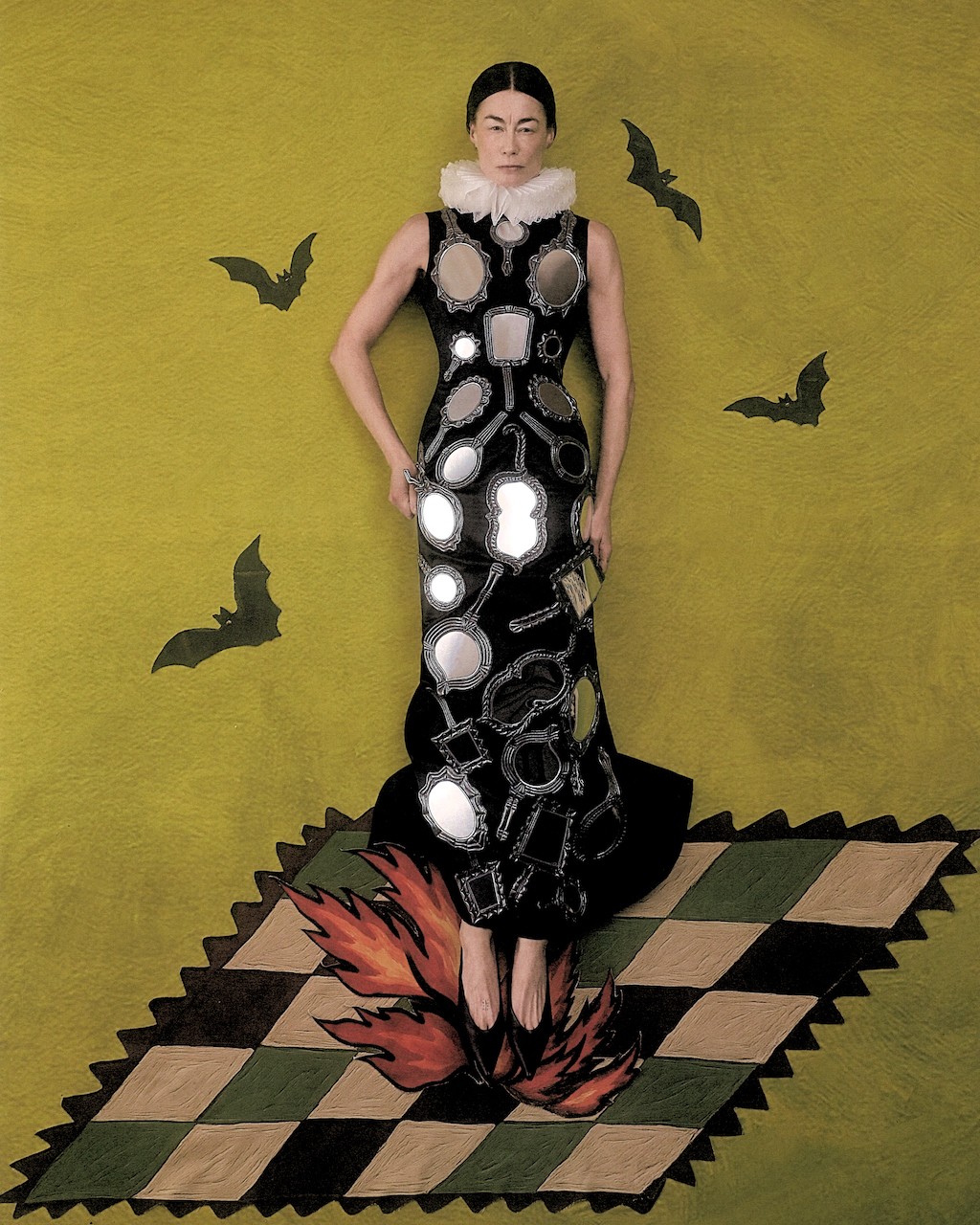
Figures like vampires, queens, and hybrid creatures recur throughout Abodi’s universe. Historically, such beings often carry projected societal anxieties: Dracula, for instance, symbolized Victorian England’s fears of Eastern European immigrants, unknown diseases, and outsiders taking jobs. And for Abodi, “those fears never really disappeared.”
Beyond mythical fears, Abodi contends with the difficulties navigating the western fashion world as an Eastern European. “I have personally faced countless stereotypes and humiliations. It is an incredibly disadvantaged position, especially as a woman without inherited wealth or privilege. Nothing is granted,” she explains. Rather than conforming to an already set system, she plays the game on her own terms. Her characters are extensions of herself—her wit, her defenses, and her rules of engagement in a world that underestimates her. “Who would dare to fight my monsters?”
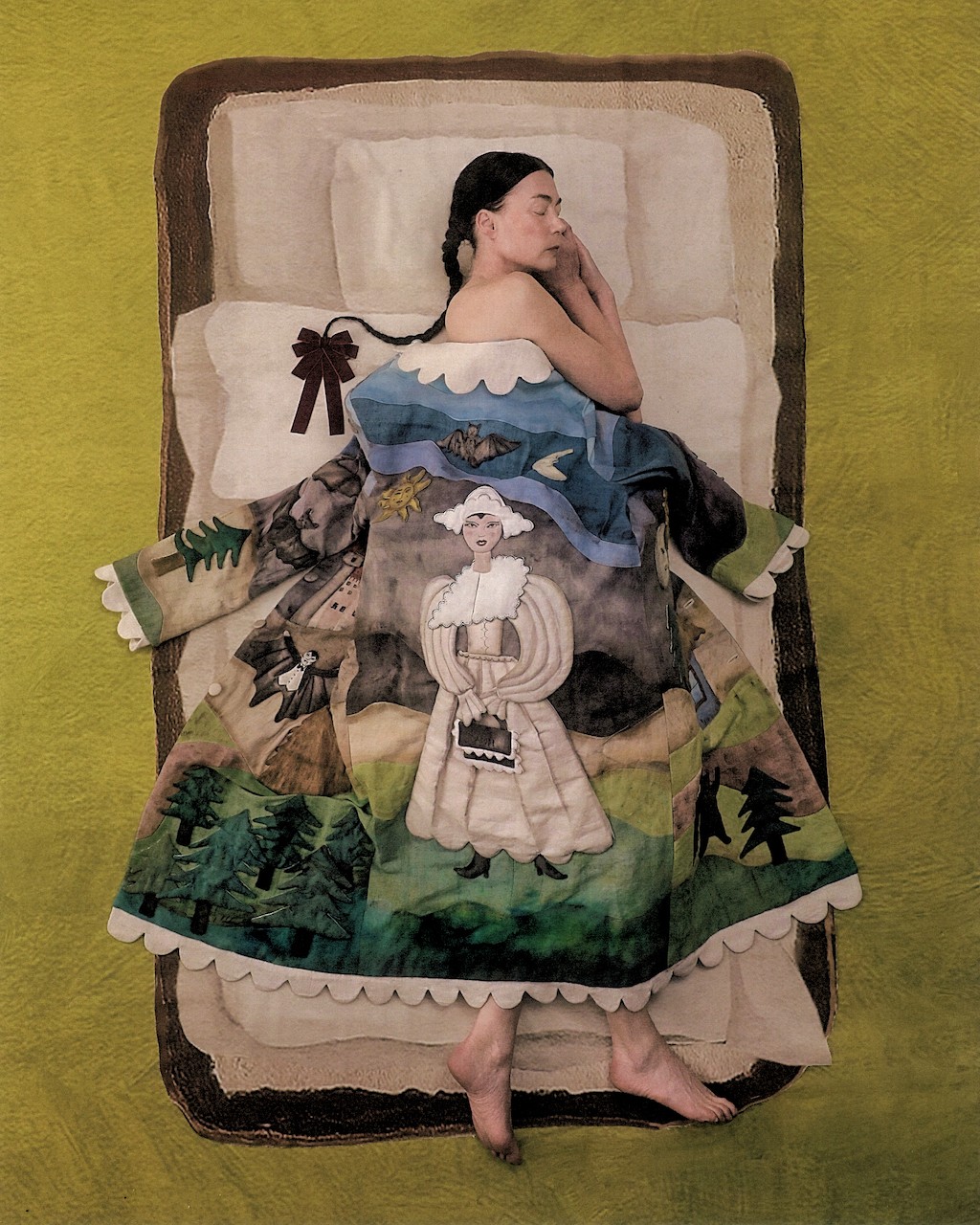
Elisabeth Báthory, the season’s muse, is a particularly telling example. She refused to remarry after her husband’s death and instead chose to rule her estate independently. As Abodi notes, “The patriarchy transformed her into a monster.” Even today, she observes, women still navigate invisible rules— to not be “too beautiful, not too young, not too intelligent, not too successful; just enough to be tolerated, and never enough to truly dominate.” Eastern European women, in particular, face deep-seated stereotypes. As she puts it, “This is something we need to speak about loudly, elegantly, and unapologetically.”
Longtime Hungarian photographer Szilveszter Makó, who lensed the campaign, has been a frequent collaborator with Abodi Transylvania. As Abodi reflects, “We share a long history—and a very Eastern European one… That toughness, combined with an almost obsessive sensory sensitivity, makes us strangely similar.” He describes their shared roots and work ethic: both coming from nothing, both intensely self-critical, and both driven by vision, maximalism, and relentless dedication. That toughness, combined with an almost obsessive sensory sensitivity, makes us strangely similar.”
-
- Courtesy of Abodi Transylvania
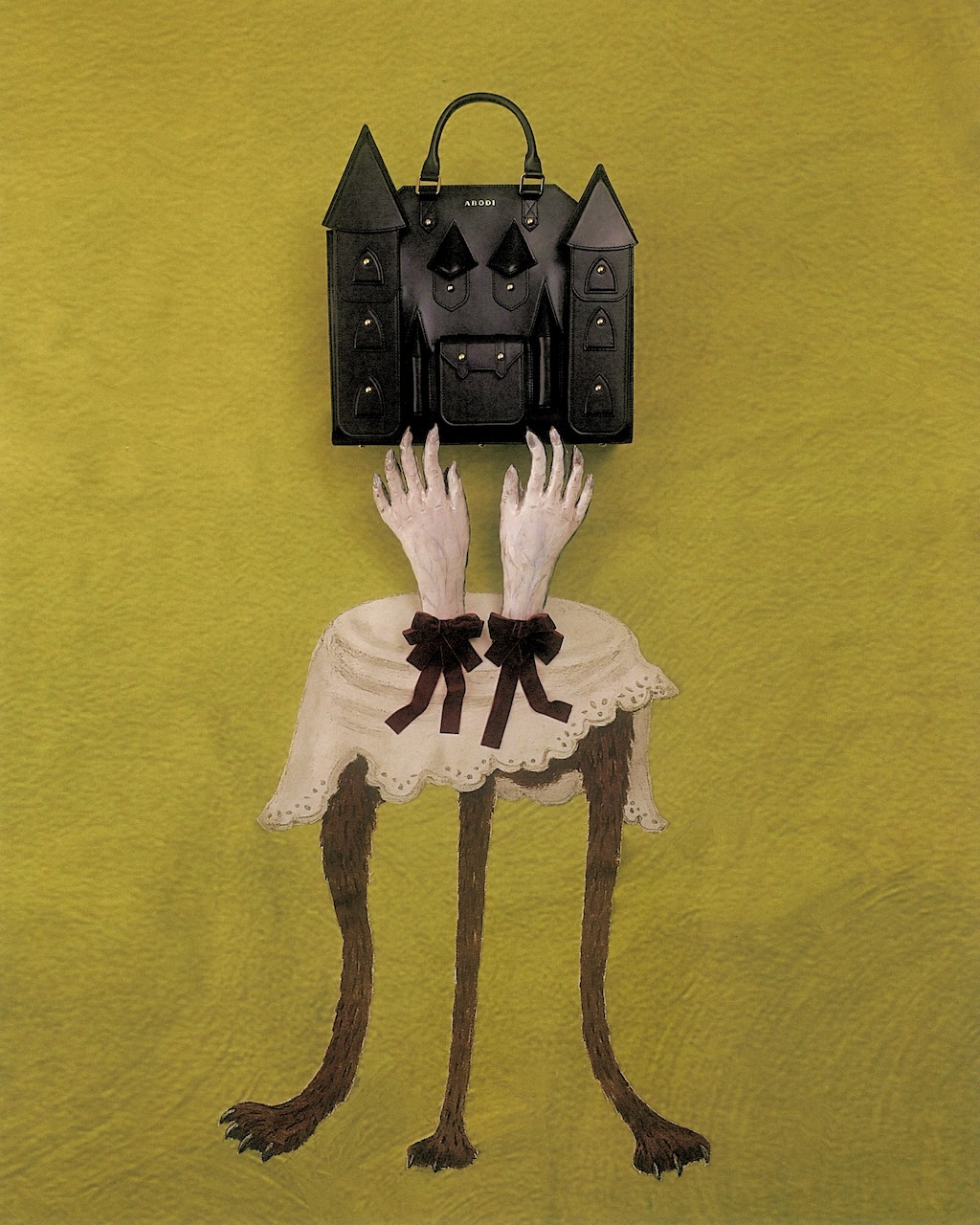
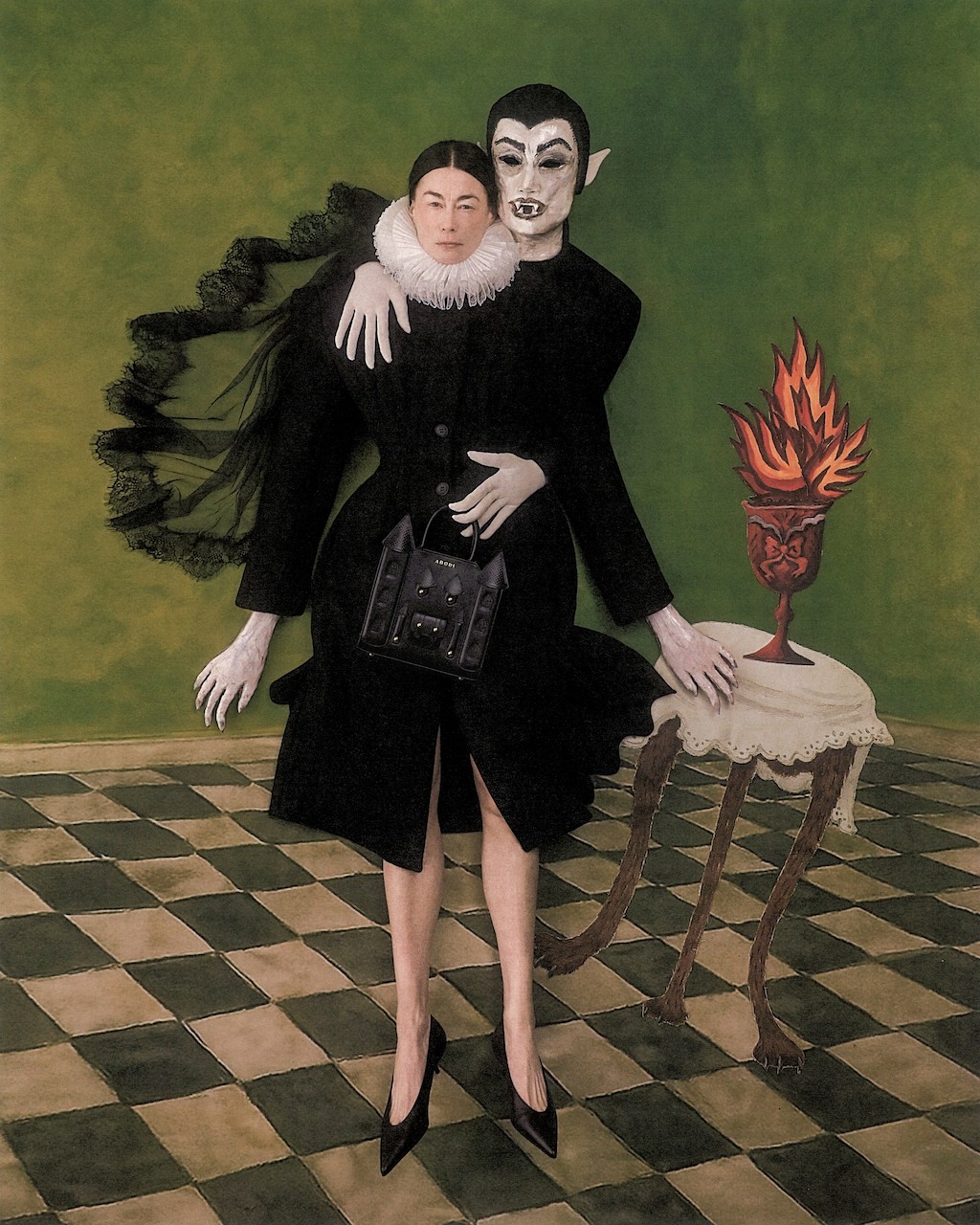
For The Chronicles series, Abodi wanted to evoke the shadow of Count Orlok from the 1922 Nosferatu film and his eerie expressionist silhouette, and Makó immediately embraced the vision. Beyond that, one of their most noteworthy collaborations came to life when Abodi created the ceramic vampire hands for an editorial featuring, Rama Duwaji, the First Lady of New York City, for The Cut. The elongated fingers, otherworldly bluish-white tones, black contours, and curved sharp nails stirred debate among both fashion connoisseurs and the general public. “The ceramic vampire hands had just come out of the fire still warm—almost breathing—when this opportunity appeared,” she recalls.
It felt “profoundly symbolic,” Abodi says, that Rama Duwaji was the first person to wear the ceramic hands—especially in such a historically charged editorial moment. For Abodi, the hands are more than a striking sculptural flourish: “The ceramic hands symbolize the artist’s almost divine ability to create something from nothing—literally from mud, water, and fire. Those vampire hands are my hands. And the hands of every woman who creates miracles despite stigma, hardship, obstacles, and dismissal.”
Courtesy of Abodi Transylvania