Déco Off Turns Paris Into a Living Gallery
Art — 23.01.26
Words: Chaima Gharsallaoui
Every year in January, Paris Design Week turns the city into a global fairground of interior design, and Déco Off gathers a creative collective of interior designers who are evolving the medium beyond function into form. Mostly around Saint-Germain-des-Prés and the Left Bank, many showrooms and galleries open their doors to display the craftsmanship and the savoir-faire of their artists.
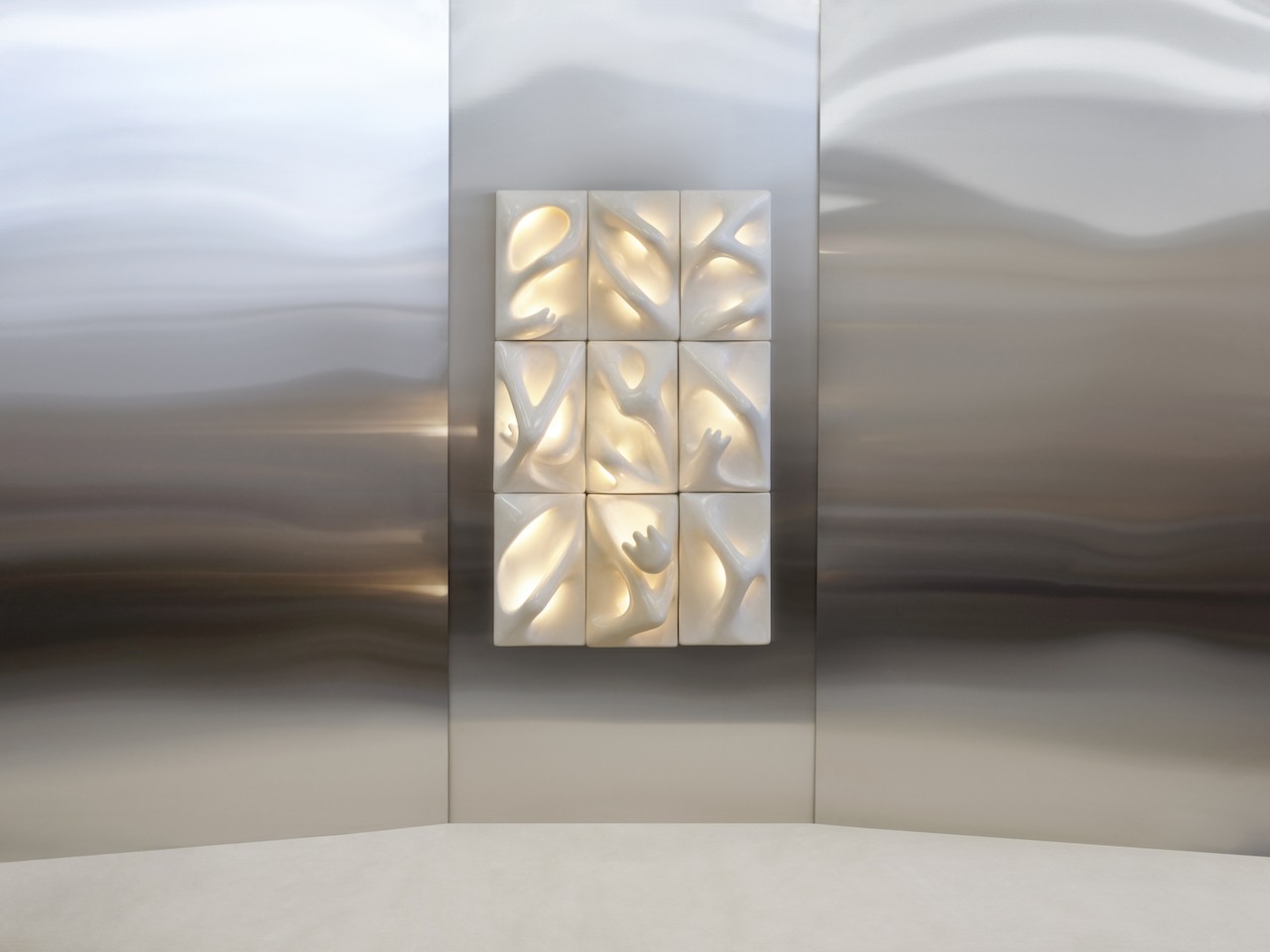
White Noise by Thomas Lelouch and Clémence Mars. Shot by Alexandra Mocanu.
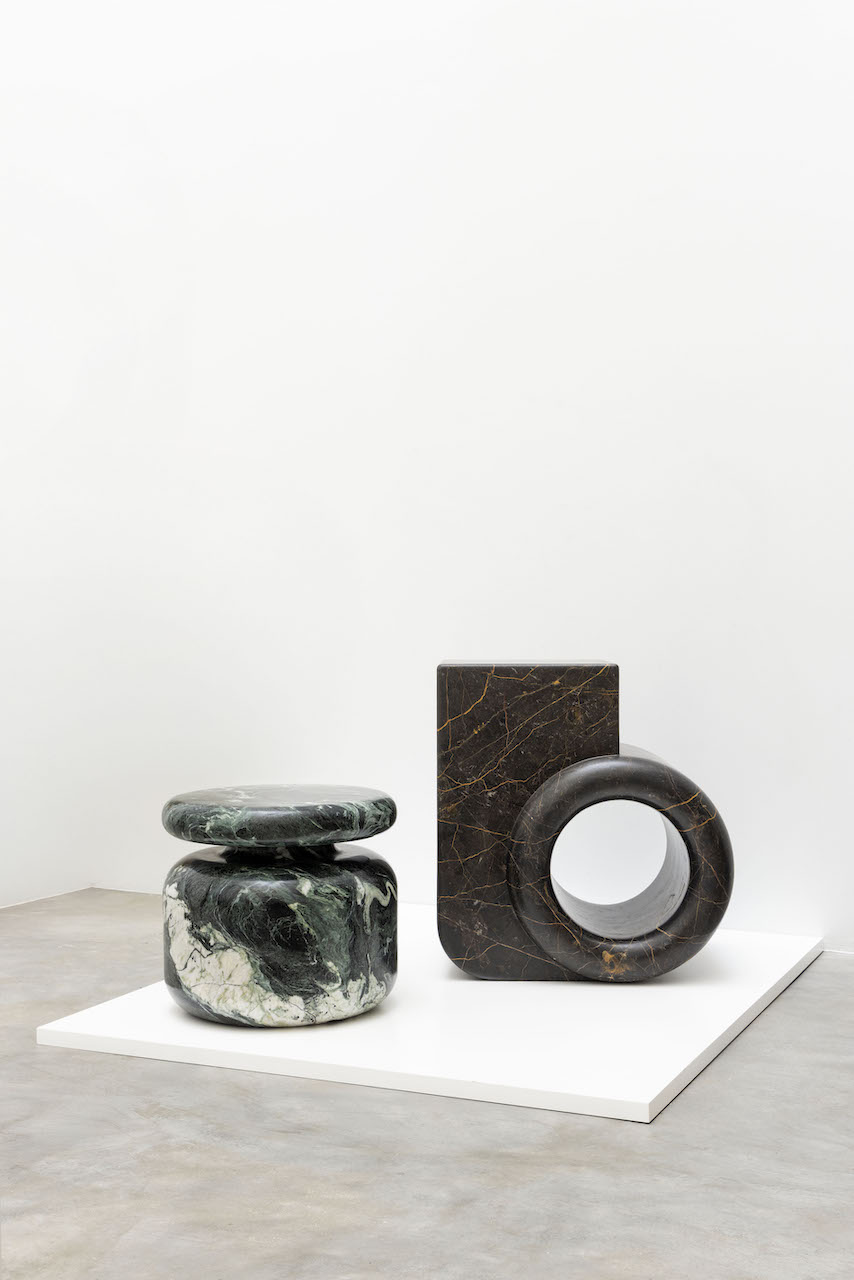
Nestled down in a quiet corner near the seine in the seventh arrondissement sits Galerie Jean Marc Lelouch, showcasing the White Noise exhibition by Thomas Lelouch and Clémence Mars. Immediately at the entry of the gallery, the white plaster sculptures evoke a futuristic sentiment, alongside designed objects resembling geological landmarks that could have been discovered in an archaeological dig. The artists explained to TEETH that their “intention was to create objects that transgress the rules of form and carry everyday objects to the edge of design, while preserving an element of practicality.”
What makes a table a table, and what makes a chair a chair? The answers echo throughout Lelouch and Mars’ work. The tension between the elemental essence of the object and its creative potential is at the core of their creative process. As one moves gradually through the scenography set up by the artists themselves, the designs gradually gain in ambiguity, and embrace a freer form.
-
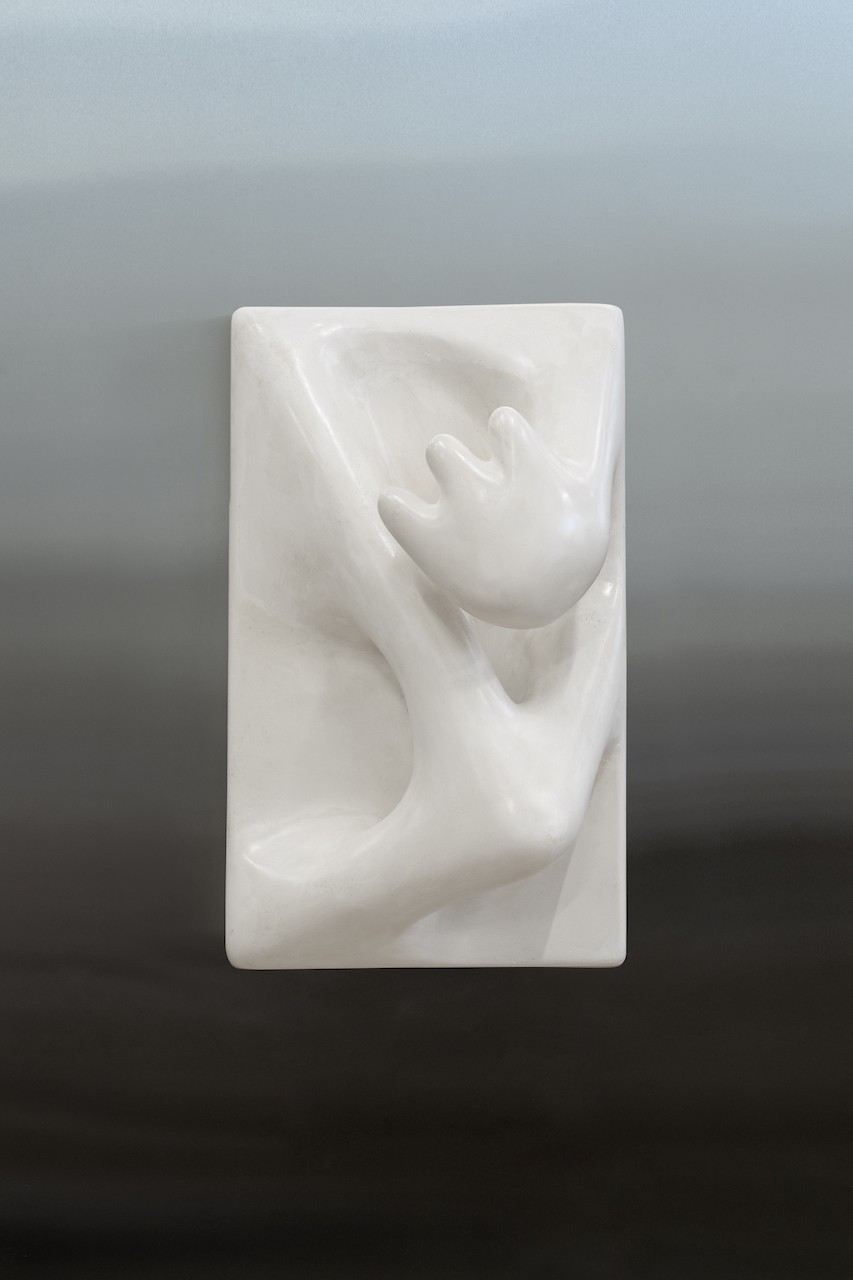
- White Noise by Thomas Lelouch and Clémence Mars. Shot by Alexandra Mocanu.
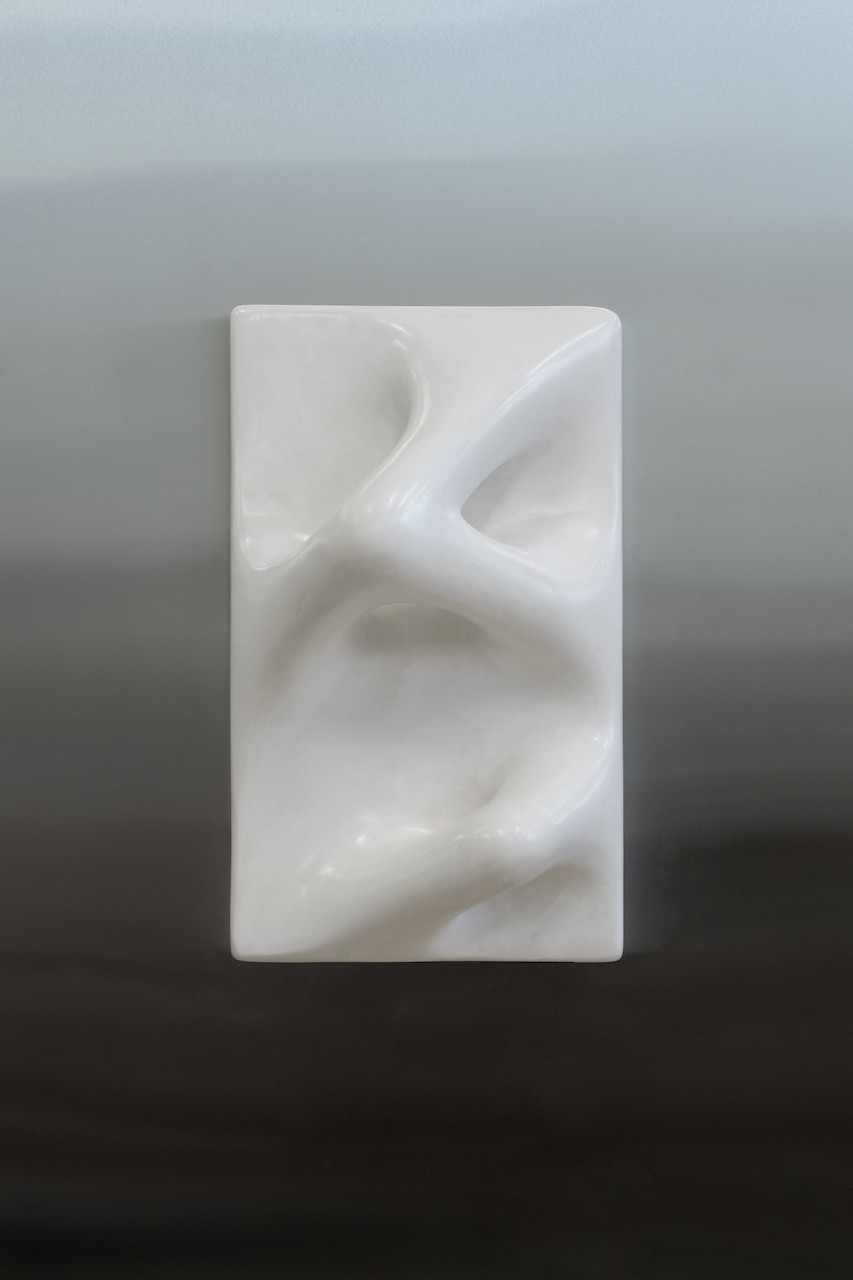
When asked about the inspiration behind the exhibition’s name, Mars and Lelouch explained that it stemmed from the noise and white powder produced by long hours of working with plaster. For them, this process induces a flow state—one they aim to transcribe through both their designs and their curation.
Both artists cited references from the 1960s and ’70s design tradition, as well as their admiration for the work of Valentina Schlegel. Schlegel, a French sculptor, ceramicist, and designer, is known for her undulating architecture and biomorphic vases. Subtle nods to her work appear in the soft edges of the pieces and in the wall installations, which resemble dividing cells. Mars and Lelouch’s backgrounds as artists made their collaboration feel natural: they shared many common references and a highly compatible body of work, allowing them to harmonize their styles and lend an edge to otherwise mundane objects.
Just two streets away, tucked beside Maison Gainsbourg, is one of Karl Lagerfeld’s many properties. Behind an almost hidden door is an exhibition by Bel Ouvrage, featuring the designs of Charles Emmanuel Deppierraz. The autodidact Swiss designer presents two lamps—one rendered in absolute black, the other in absolute white—alongside a black-and-copper table. The craftsmanship across all three pieces is unmistakable.
For Deppierraz, being an outsider to an industry defined by high barriers to entry and insular design circles pushed him to conduct his own research and knock on doors in person, without pretense. Previously the CEO of a private security company, the Swiss designer found himself searching for meaning after COVID. That period led him back to his passion for interior design and to a renewed sense of self. He wanted to create something tangible—work that could transmit his sensitivity to luxurious materials and high-end artisanship.
-
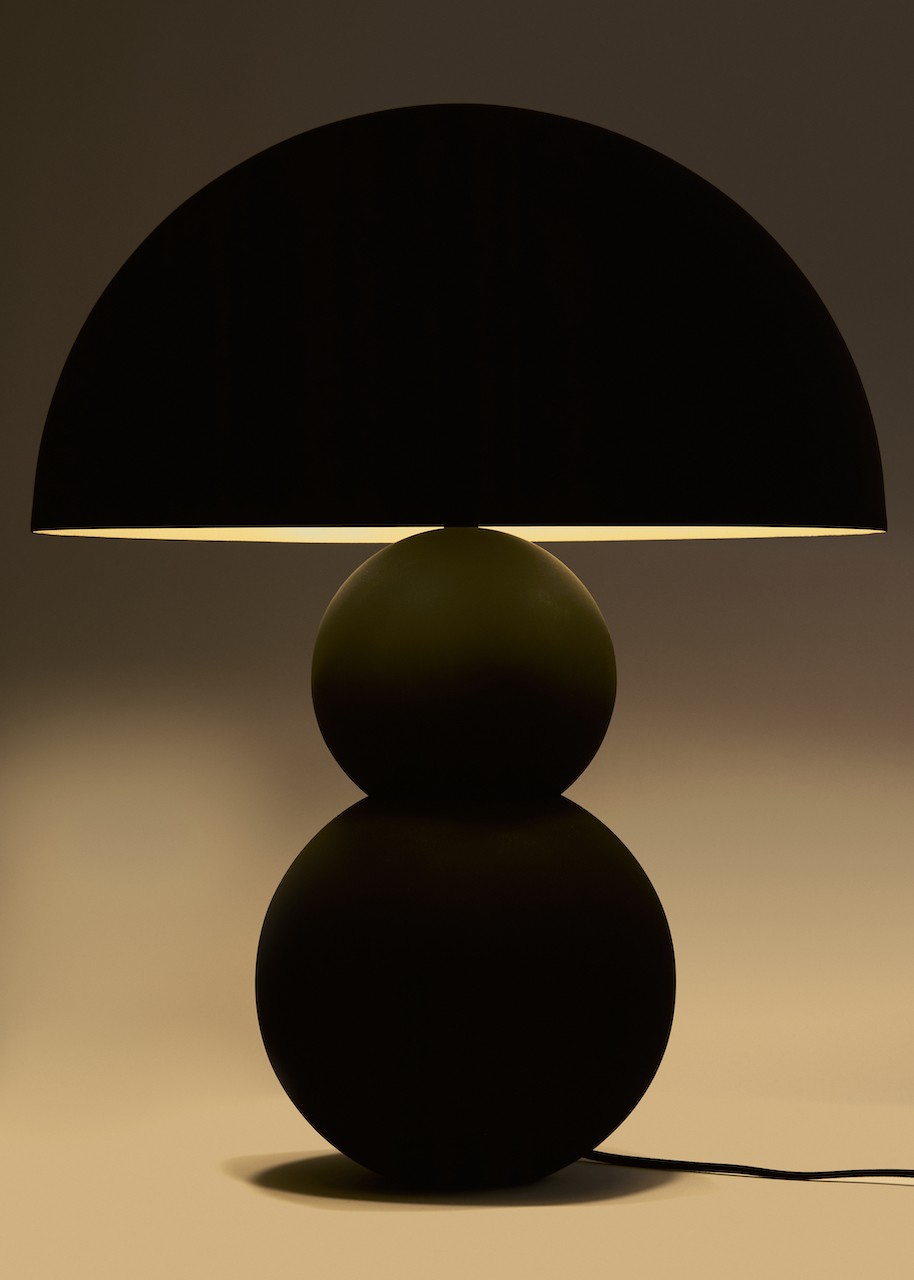
- Curves by Charles Emmanuel Deppierrraz. Courtesy of the artist.
-
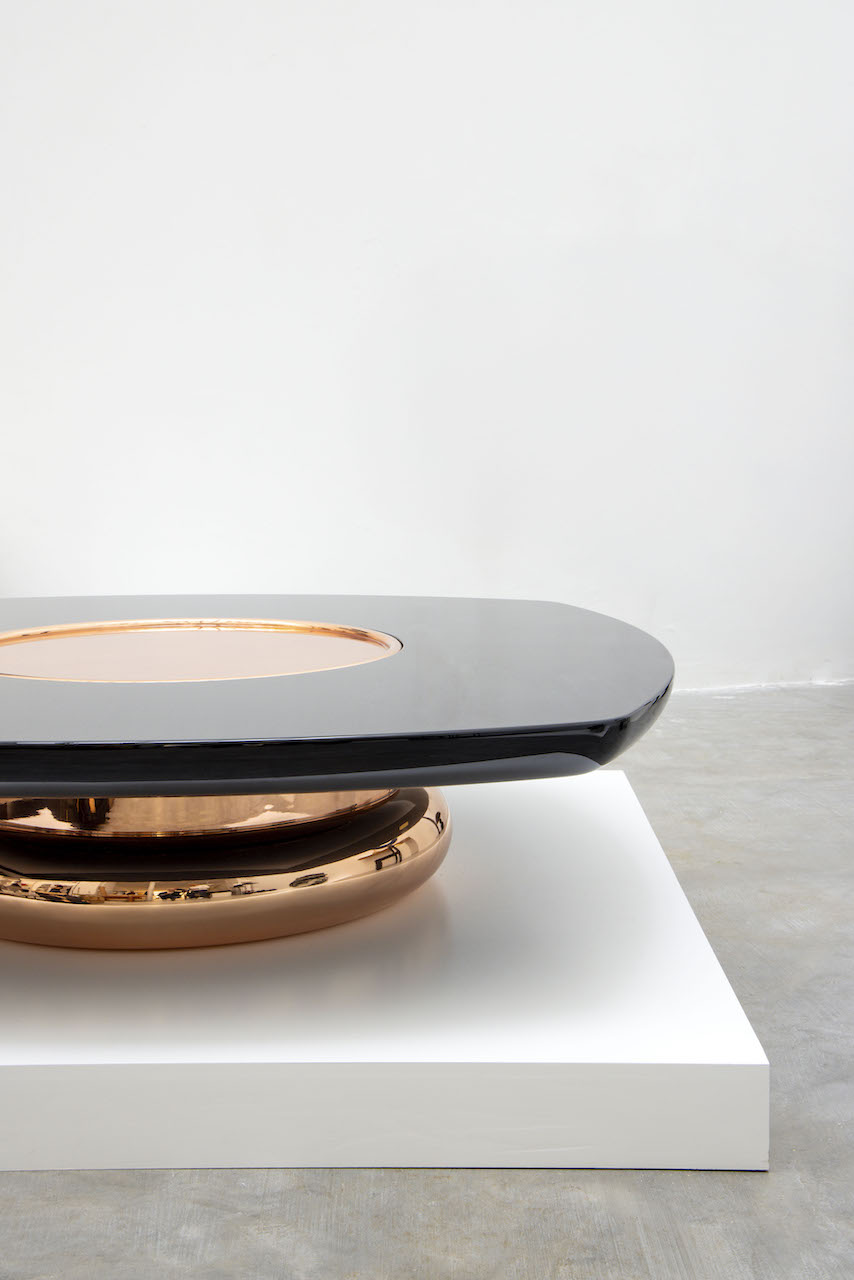
- Emilie by Charles Emmanuel Deppierraz. Shot by Yvan Moreau.
Deppierraz spoke enthusiastically about his admiration for watchmaking, particularly the work of Richard Mille, citing the watchmaker’s extravagant ambition balanced by restraint as a key influence. The two lamps and the table stand as a distillation of French savoir-faire and Deppierraz’s own pursuit of refinement.
Further south lies a hidden gem of the sixth arrondissement: Atelier Lison de Caunes. The workshop and creative enterprise specialize in the traditional art of straw marquetry. As part of Maison & Objet In the City, the atelier collaborated with Garance Vallée on a special project, granting her a true carte blanche.
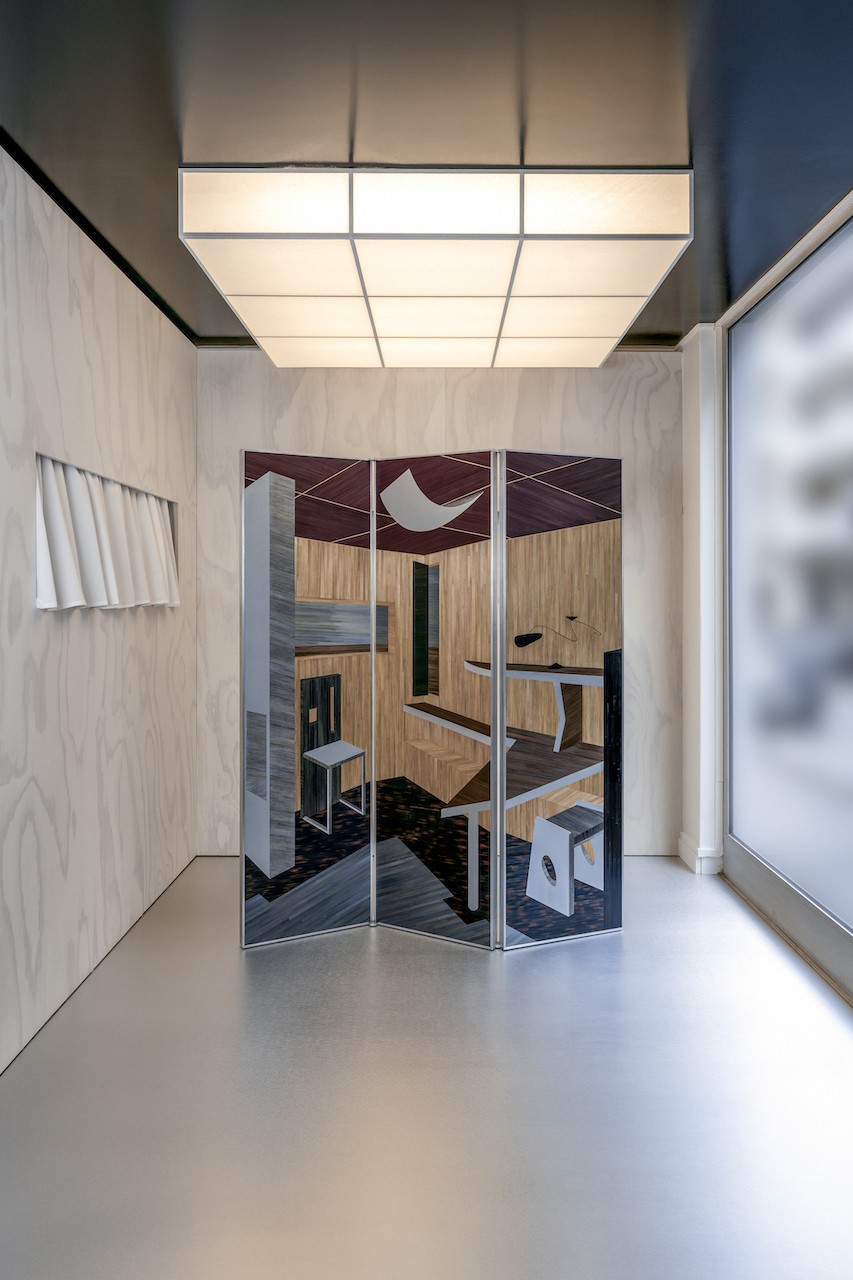
Espèces d’espace by Garance Valée. Courtesy of Ateliers Lison de Caunes. Shot by Rodrigo Rize.
Vallée is a French architect, designer, and multidisciplinary artist trained at the École Nationale Supérieure d’Architecture de Paris–La Villette, one of France’s most prestigious institutions in the field. Her rapid ascent has led to collaborations with brands including Maison Margiela Parfums, Nike, Perrier-Jouët, and more. Her work spans multiple disciplines to emphasize human movement, spatial experience, and narrative, employing materials such as forged iron, ceramics, concrete, wood, and textiles.
-
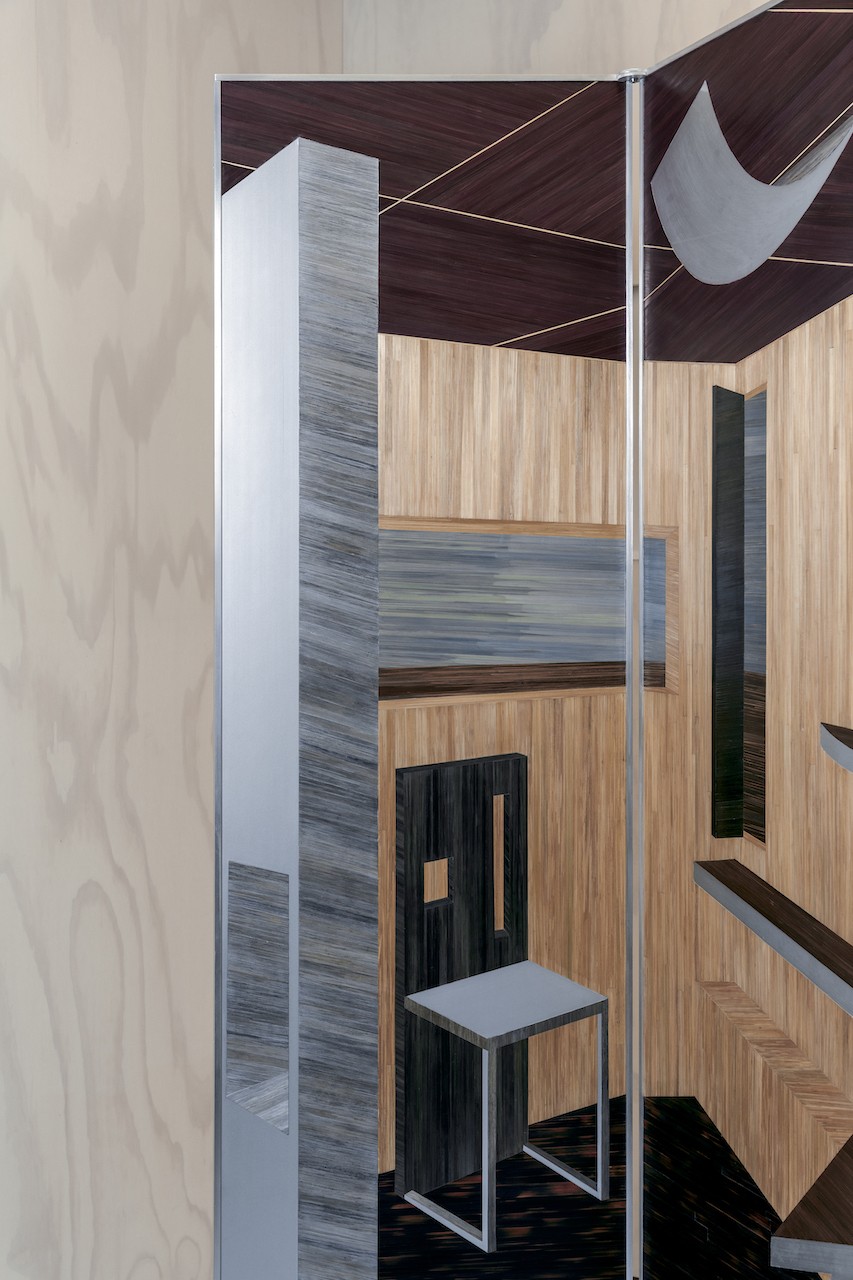
- Details of Espèces d’espace. Courtesy of Ateliers Lison de Caunes. Shot by Rodrigo Rize.
-
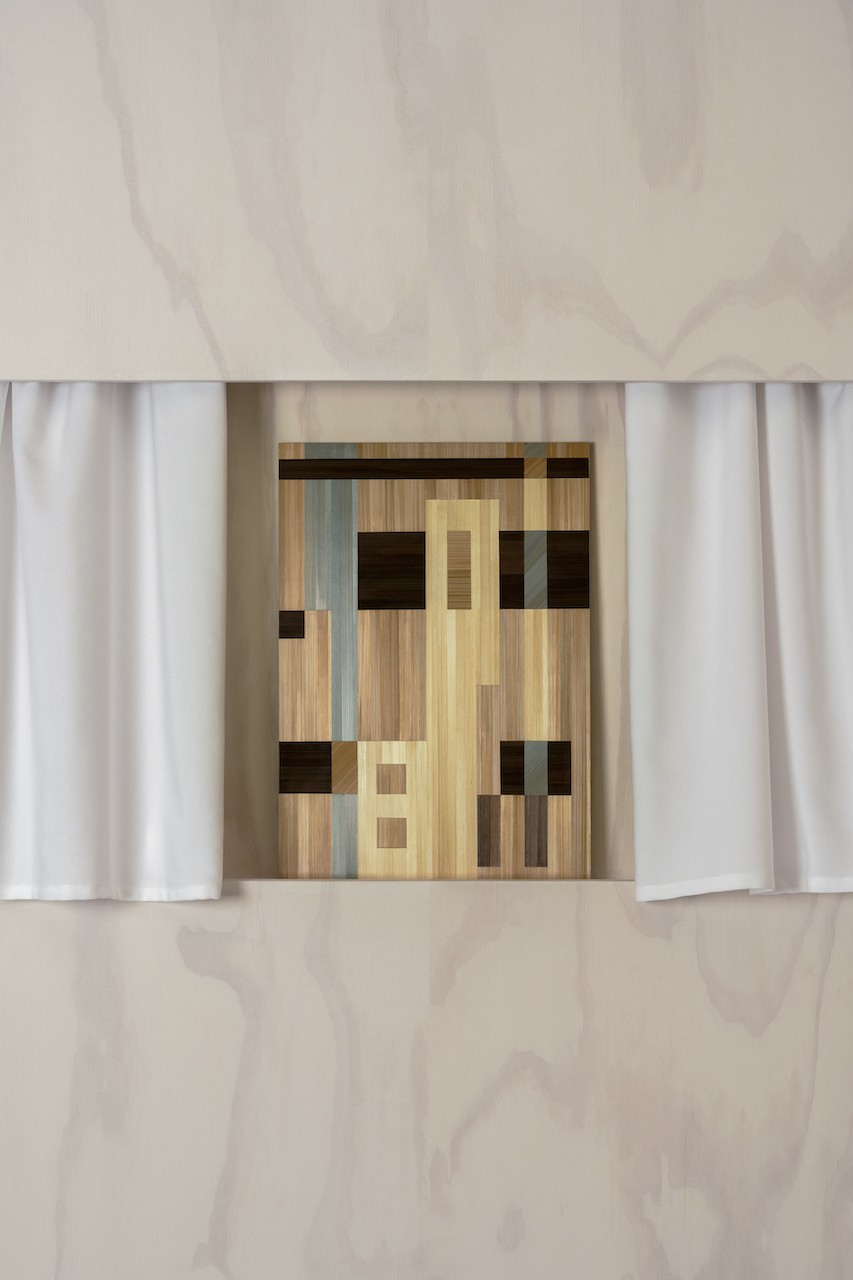
- Details of Strate. Courtesy of Ateliers Lison de Caunes. Shot by Rodrigo Rize.
For her collaboration with Atelier Lison de Caunes, Vallée adopted a hybrid approach that honors the legacy of great Art Deco masters—including André Groult, Lison de Caunes’s grandfather—while asserting her own aesthetic identity. The result is a series of six straw marquetry motifs that blend bold geometric forms with organic lines, creating a fragmented sense of time.
-
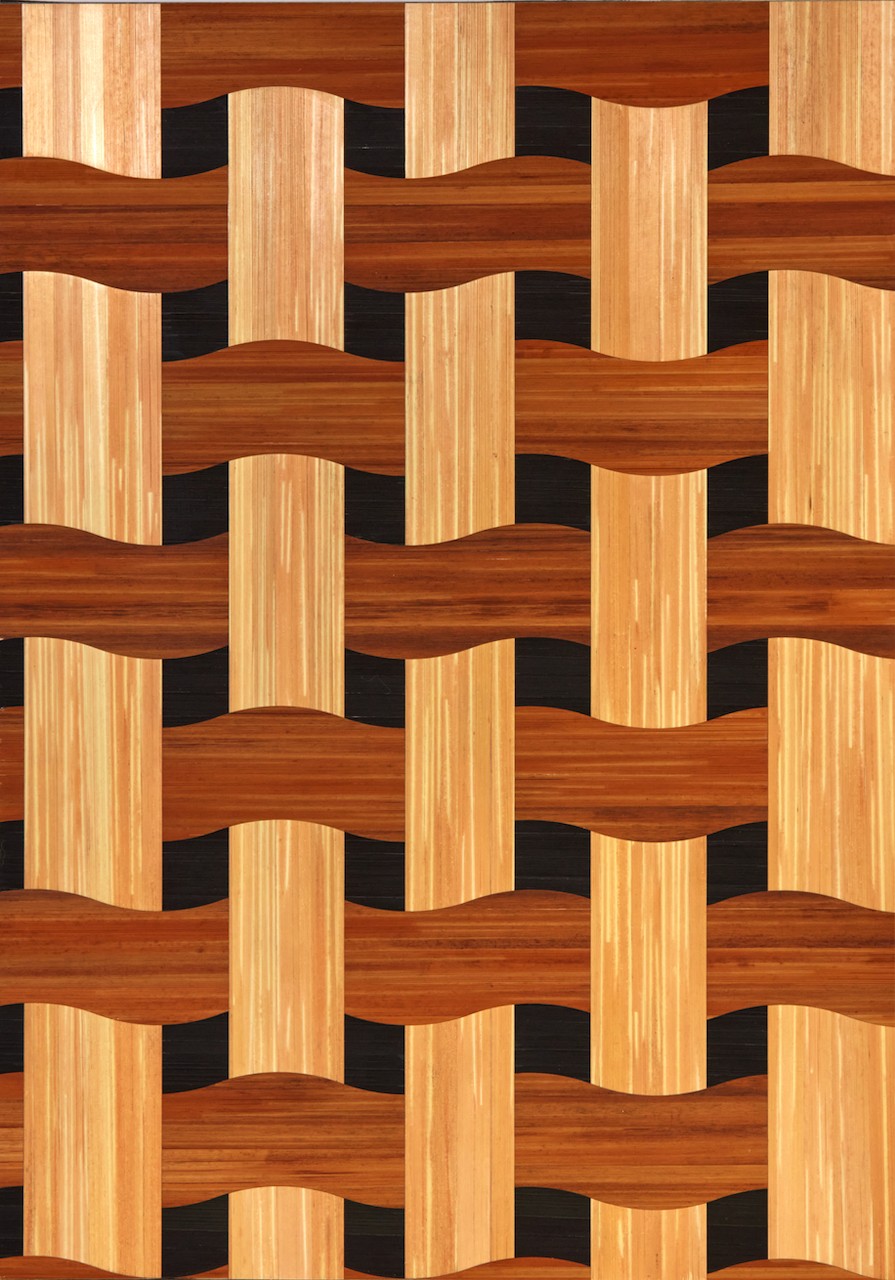
- Details of Trame. Courtesy of Ateliers Lison de Caunes. Shot by Rodrigo Rize.
-
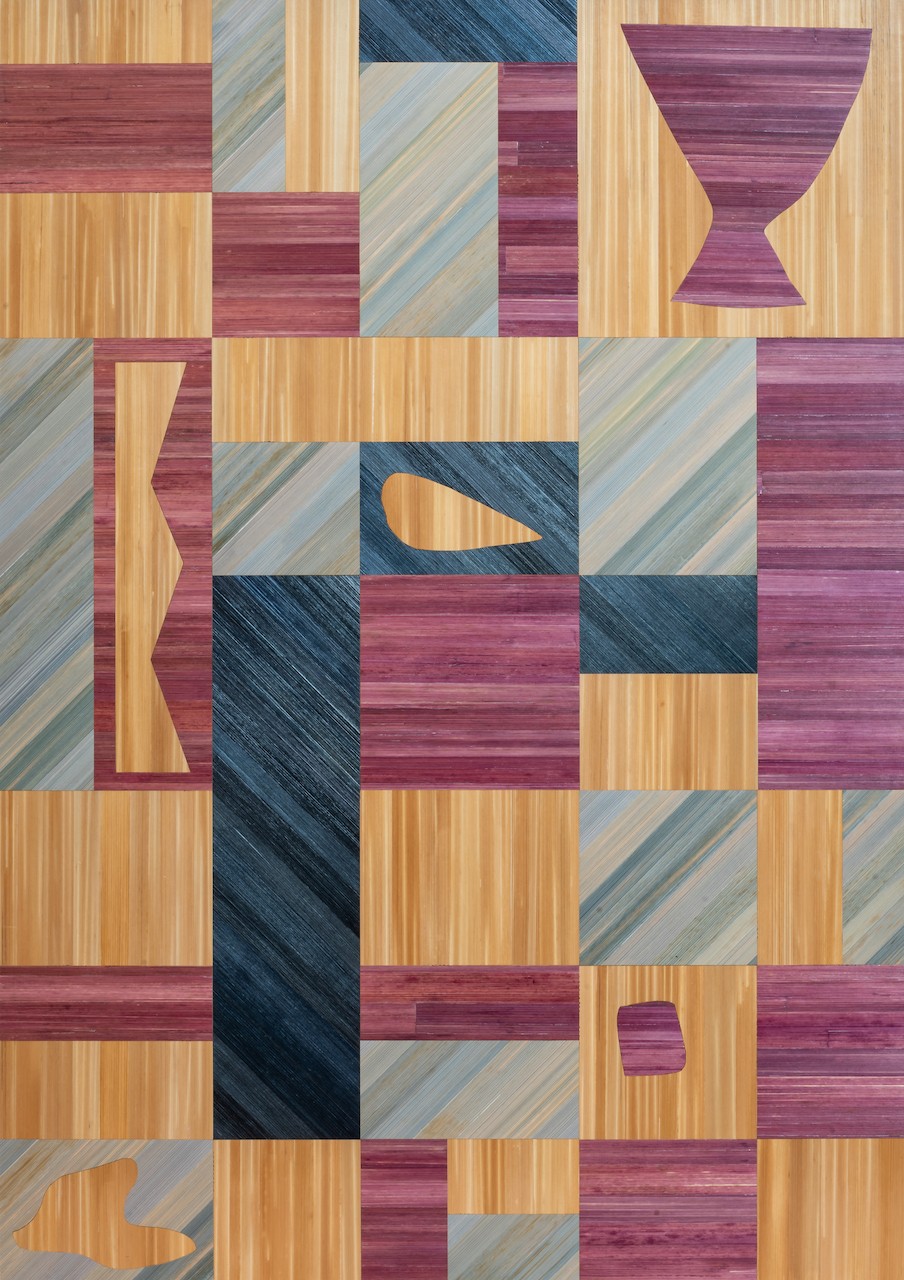
- Details of Violet. Courtesy of Ateliers Lison de Caunes. Shot by Rodrigo Rize.
Vallée’s visual vocabulary culminates in the folding screen, a piece conceived through a play of scale, volume, and trompe-l’œil effects. Through the combined expertise of Atelier Lison de Caunes and master metalworker François Pouenat, straw marquetry is paired with steel and aluminum, both engraved and brushed.
Paris Déco Off serves as a reminder that design is not only about objects, but about how we experience them. As Soetsu Yanagi once wrote, “The world of utility and the world of beauty are not separate realms.” The fair transforms the city into a living exhibition—one where everyday life meets artistry, and where ordinary objects are pushed to the limits of imagination.