In Between Moments with Charlotte Day Wilson
Music — 23.03.26
Words: Gabriella Onessimo
Photographer: Julien Cadena
Art Direction & Styling: Jay Kim Valentine
Makeup: Grace Lee
Executive Producer: Danny Simpson / Underscore Studios
Line Producer: Tania Peralta
Props: Trent Hurst
Nellie the Dalmatian (Joe and Niki of General Hardware)
It’s hard to find moments of quiet. For Charlotte Day Wilson, it’s one of the most sacred—something she returns to both in life and in practice. “I love early mornings, when no one else is awake,” she says, describing a time untouched by expectation, where the world feels momentarily suspended, and instinct can take the lead.
It’s also the atmosphere where the Grammy-nominated Toronto artist’s latest release, Patchwork, came together. Written in those in-between hours—before people rise from their beds and spill onto the streets and in the late hours when only a few lights are still on—the album holds onto that same meditative clarity.
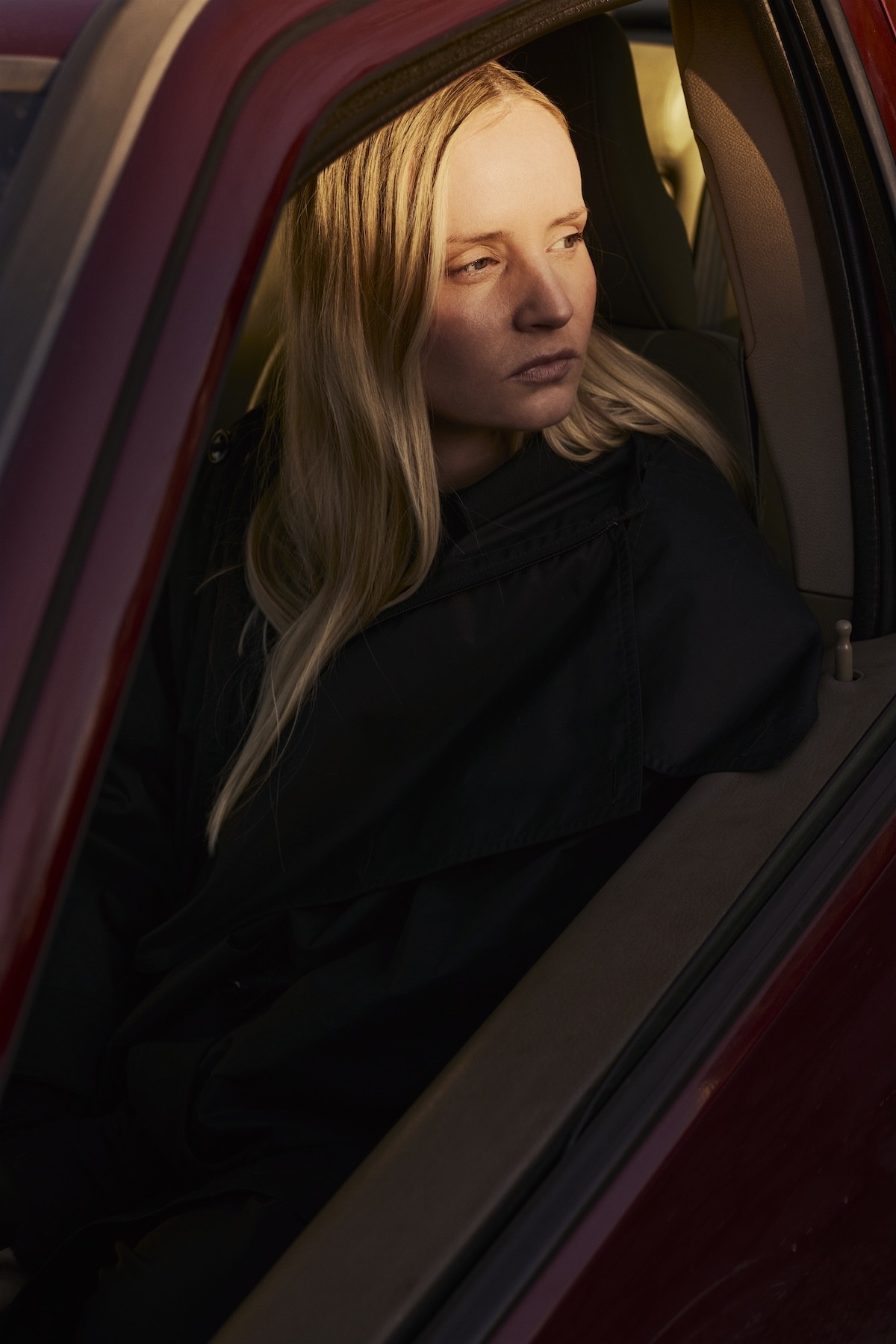
Jacket Lemaire (via Mine & Yours)
Moving through layered arrangements drawn from R&B, soul, and jazz, what emerges is a body of work guided by a kind of stream-of-consciousness, shaped by uninhibited creativity rather than rigid structure. Originally conceived as a series of demos during a moment of self-doubt, the songs revealed themselves in their rawest form. In letting go of control, Patchwork gestures toward something more expansive: what might surface if we stopped trying to force the outcome?
Below, Day Wilson opens up about her creative process and how boredom became a throughway to one of her most sonically charged albums yet.
-
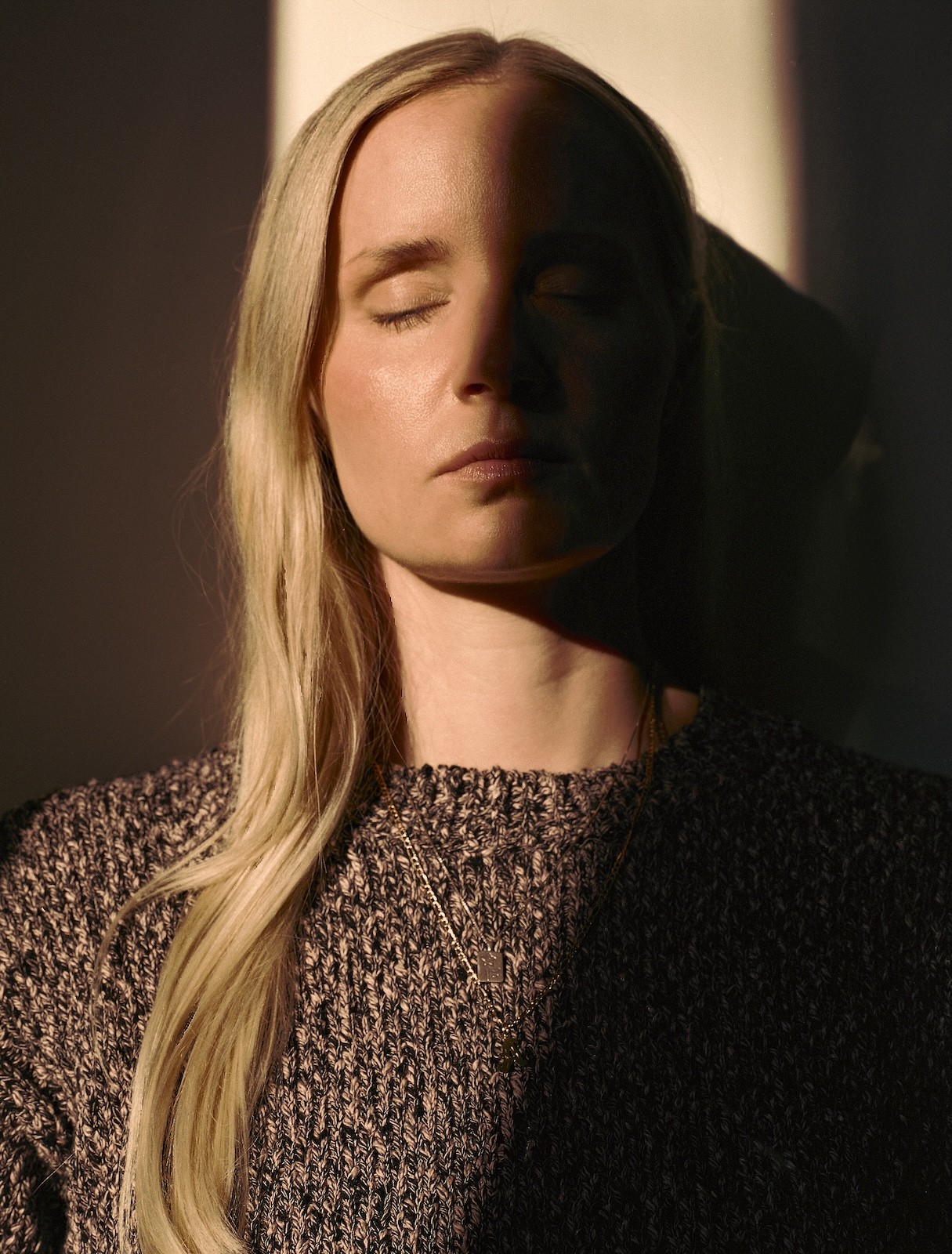
- Sweater Stone Island
-
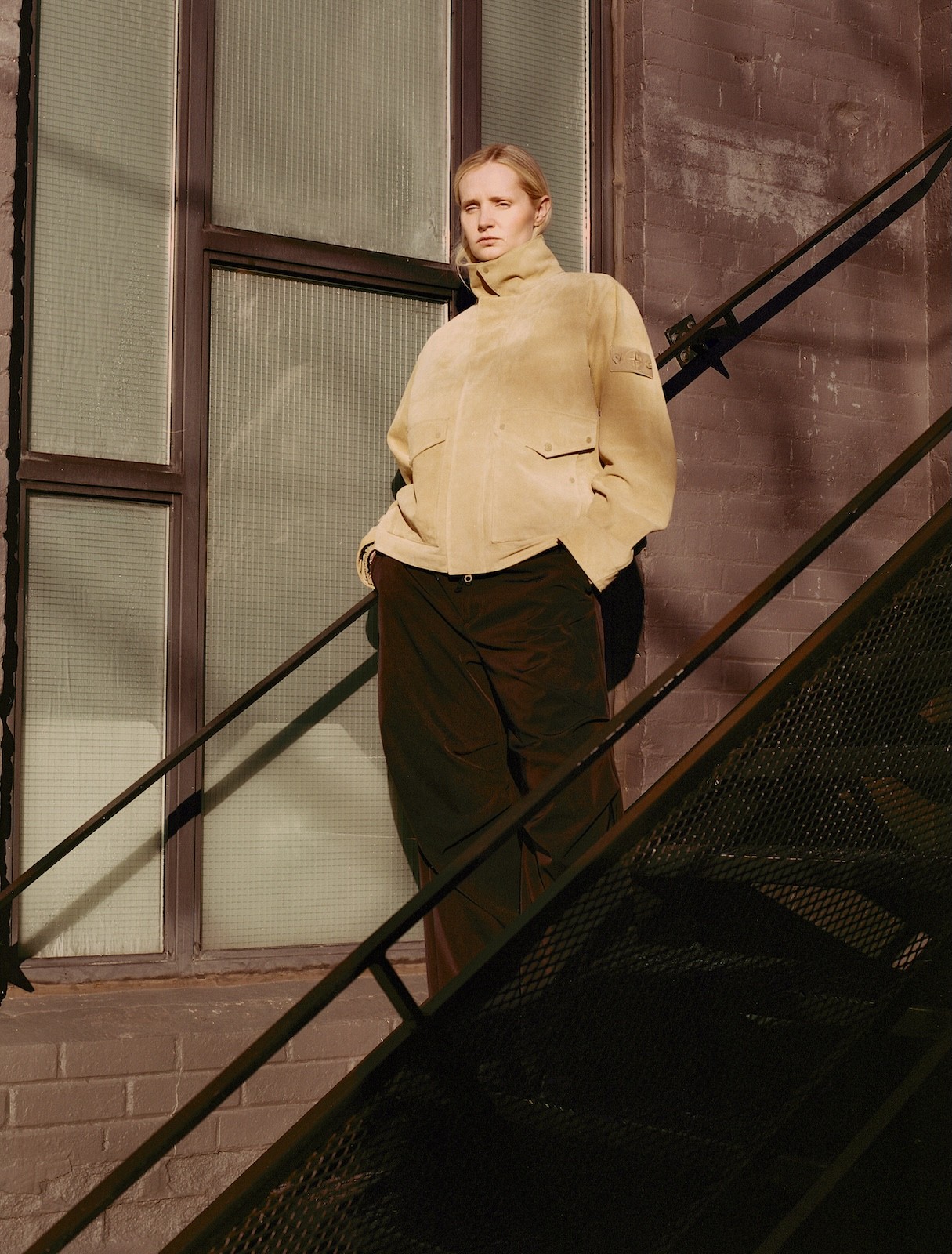
- Jacket Stone Island, Trousers MM6 Maison Margiela, Boots Marsèll
TEETH: To start, can you tell me about your early relationship with music and how it eventually led you to create it?
CDW: I always felt really transported by music. It was almost overwhelming in the best way. That’s where my love for it came from, just appreciating and loving other people’s work.
In high school, I got a bit bored of the other things I was doing, and honestly, boredom is something I feel grateful to have experienced. I don’t know if people really know what it feels like to be bored anymore without the instant dopamine hits of social media. I leaned into that boredom and started exploring my own music.
I’m trying to teach myself how to be bored again and reintegrate that into my routine. It feels like a lost art.
Definitely. I grew up going to a cottage that’s been in my family for decades, and there’s no service. Even if you want to be on your phone, you can’t.
I can see how that space for boredom opened you up to Patchwork, especially since it started with demos. What shifted creatively that made you return to that more intuitive way of making music?
I wasn’t planning on working on a project at that time. I was just making ideas and having fun with it. I had already finished another collaborative album that isn’t out yet, and these songs came as a response to the intensity of that process.
This became my own space to work alone and create from a place of boredom, rather than feeling like I was working on a project. It was really just creation for its own sake.
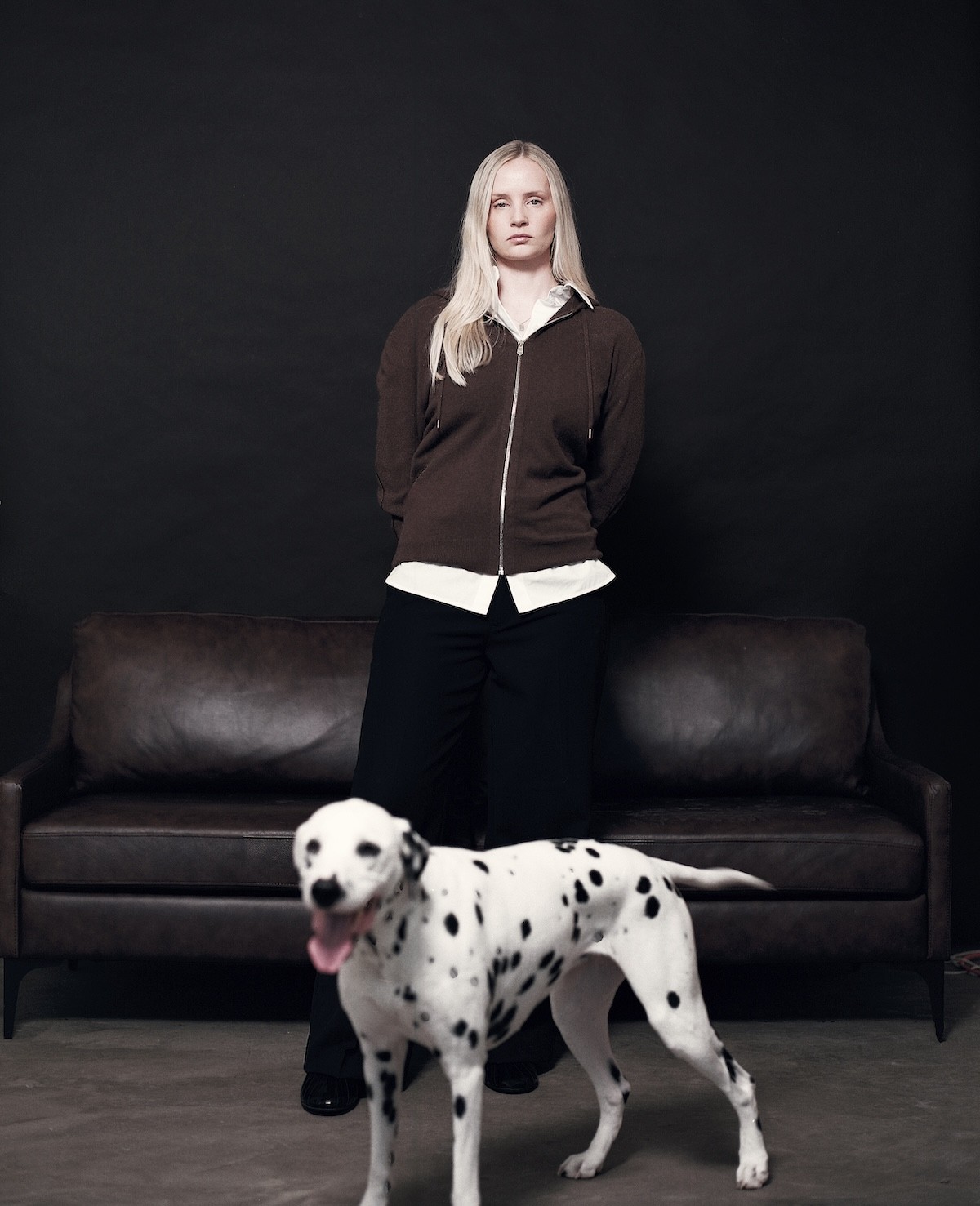
Hoodie Hermès (via Mine & Yours), Shirt & Shoes Marni, Trousers Won Hundred, Jewelry Charlotte’s Own
With these songs starting as more spontaneous ideas, what did embracing that fluidity open up for you?
I think it brought back a level of patience with myself. How long it takes to find the right chord progression, the right drum sounds, or a synth line that really captures what I’m trying to express.
Allowing myself to take more time with each element, without pressure, changed everything.
Was there anything different about your process for this album? Did you start with beats, songwriting, or did that openness shift your approach?
It’s different every time. I usually start with one musical element, like chords on piano or a guitar line, something with harmonic context. Then I write and produce in tandem. A synth line might inspire a lyric, and I’ll record it immediately. It’s a very layered, almost chaotic process, working across lyrics, melodies, production, and sound design all at once.
It probably wouldn’t make sense to someone watching, but each element informs the next. I know the steps internally. It’s about finding the pattern within the chaos.
It’s interesting because the result feels so serene and dreamlike, even though the process is chaotic. You blend so many textures, pop, R&B, and more jazzy elements. How do you expand your sound while keeping a strong emotional center?
Early on, someone told me that no matter what direction I go in, my voice will always be the through line. That really freed me.
I used to worry about straying too far stylistically, but now I know everything will come together through that core.
-
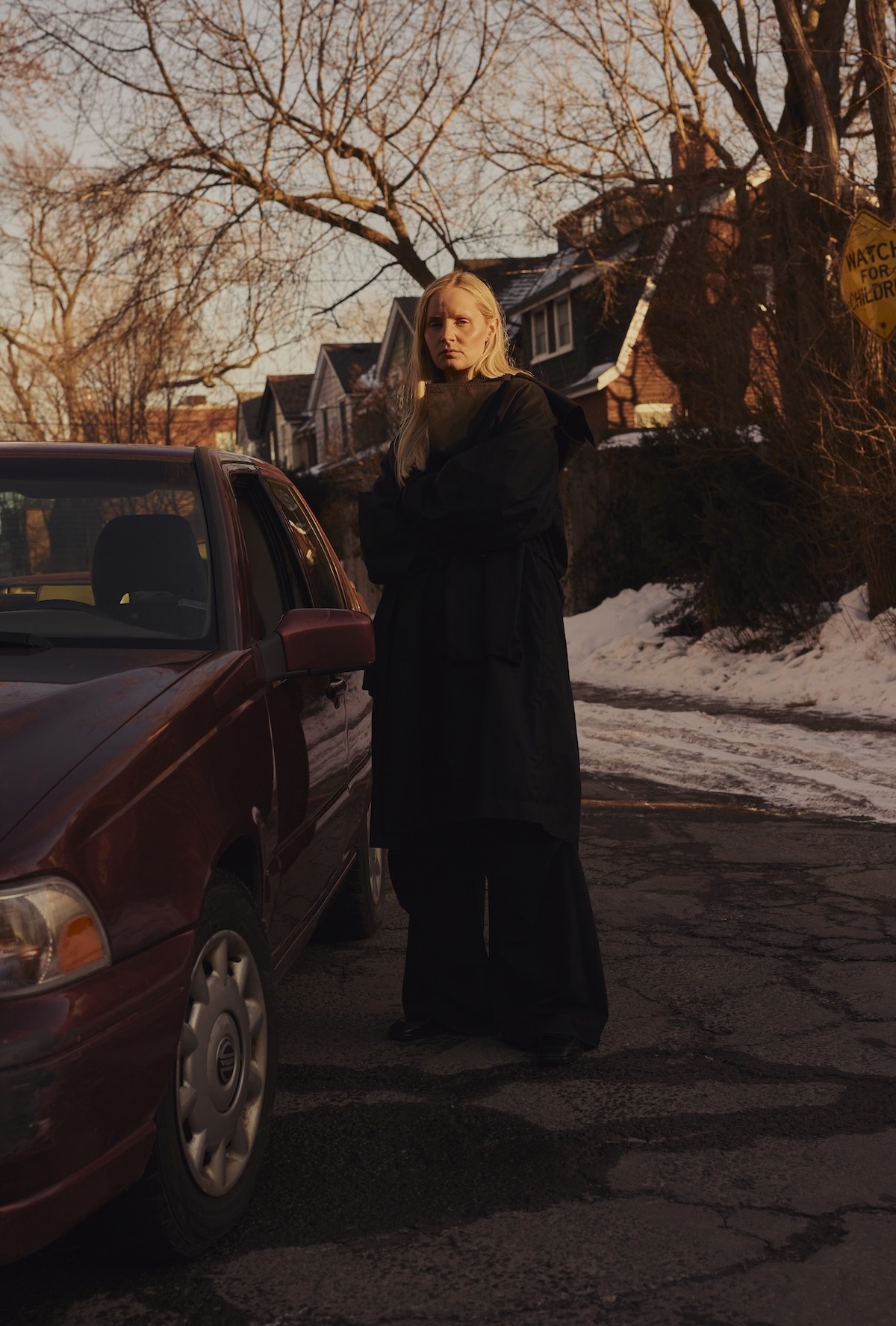
- Jacket Lemaire (via Mine & Yours), Trousers MM6 Maison Margiela, Shirt APC, Loafers Ferragamo
-
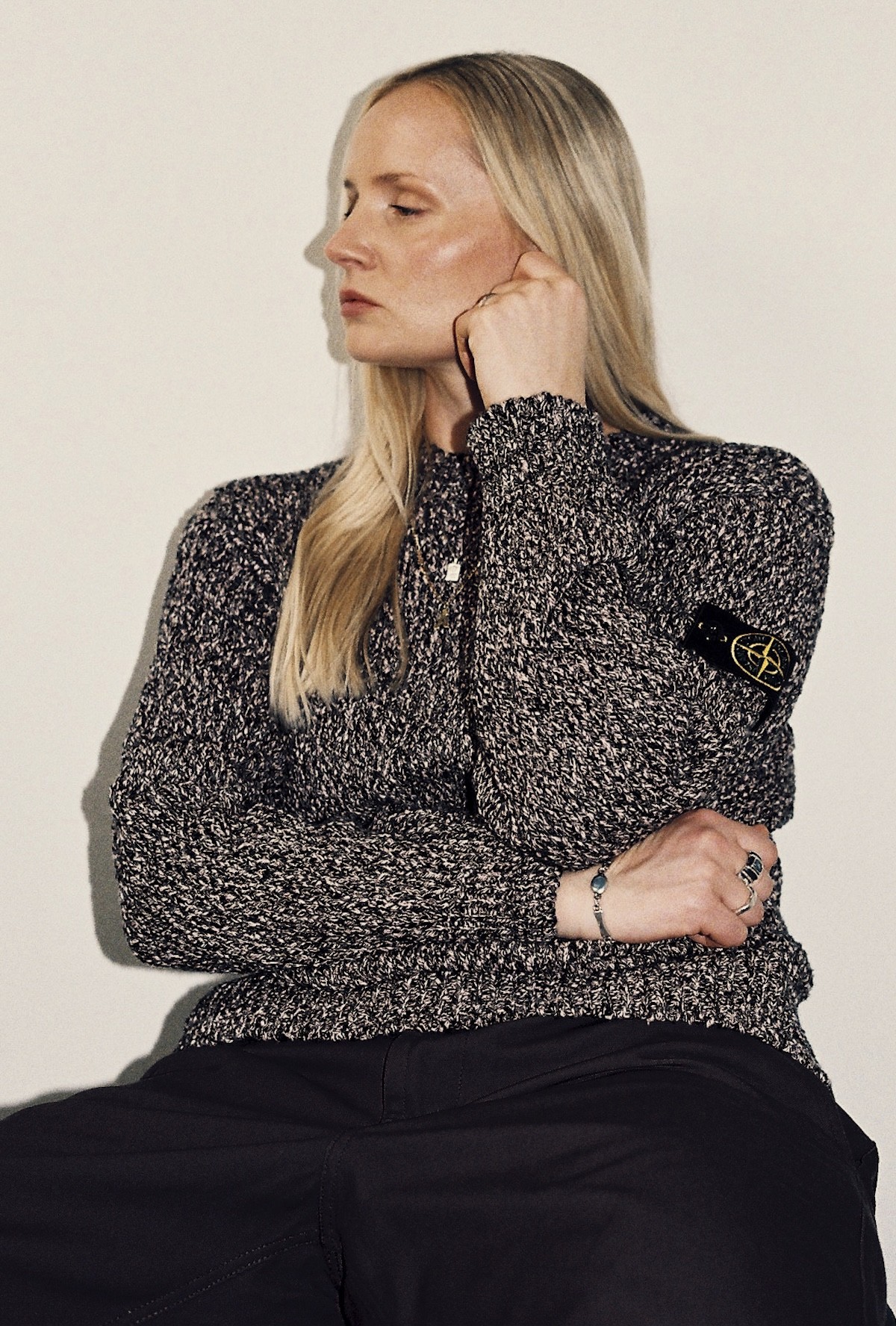
- Full Look Stone Island
Collaboration also seems really present in your work. You have Saya Gray on the album. What was that dynamic like, and how does collaboration shape your process?
With this project, I would send her demos, and she’d say, “These aren’t demos. They’re songs.” She’d suggest small tweaks, like layering or adjusting the kick, but mostly she encouraged me to trust what I had already made. She told me not to let other people produce the songs, because I had already done it. That was really important for me. I had lost some confidence in my self-producing abilities.
As a woman in the industry, I think I’ve been conditioned to question that. But this project helped me prove to myself that I am a strong producer. On “Selfish,” she contributed to chords and production, and on “Lean,” I produced it, and she added vocals.
It’s amazing that the project helped you reaffirm that. Imposter syndrome really never goes away.
Totally. And there’s a level of confidence some men have where they’ll take something I’ve done 90% of, tweak one element, and call themselves the producer. I didn’t even recognize how problematic that was earlier in my career. I just accepted it.
There’s definitely a broader conditioning at play. How has that been to navigate in the music space now?
It’s less overt than when I started, but it’s still there. The number of female producers and engineers is still very small. At the same time, I don’t want that to define my work. My goal is to create beautiful music. It just happens that I’m doing something fewer women are doing.
Now, I focus on surrounding myself with collaborators like Saya Gray and Ori—people who are incredibly talented and who I align with creatively.
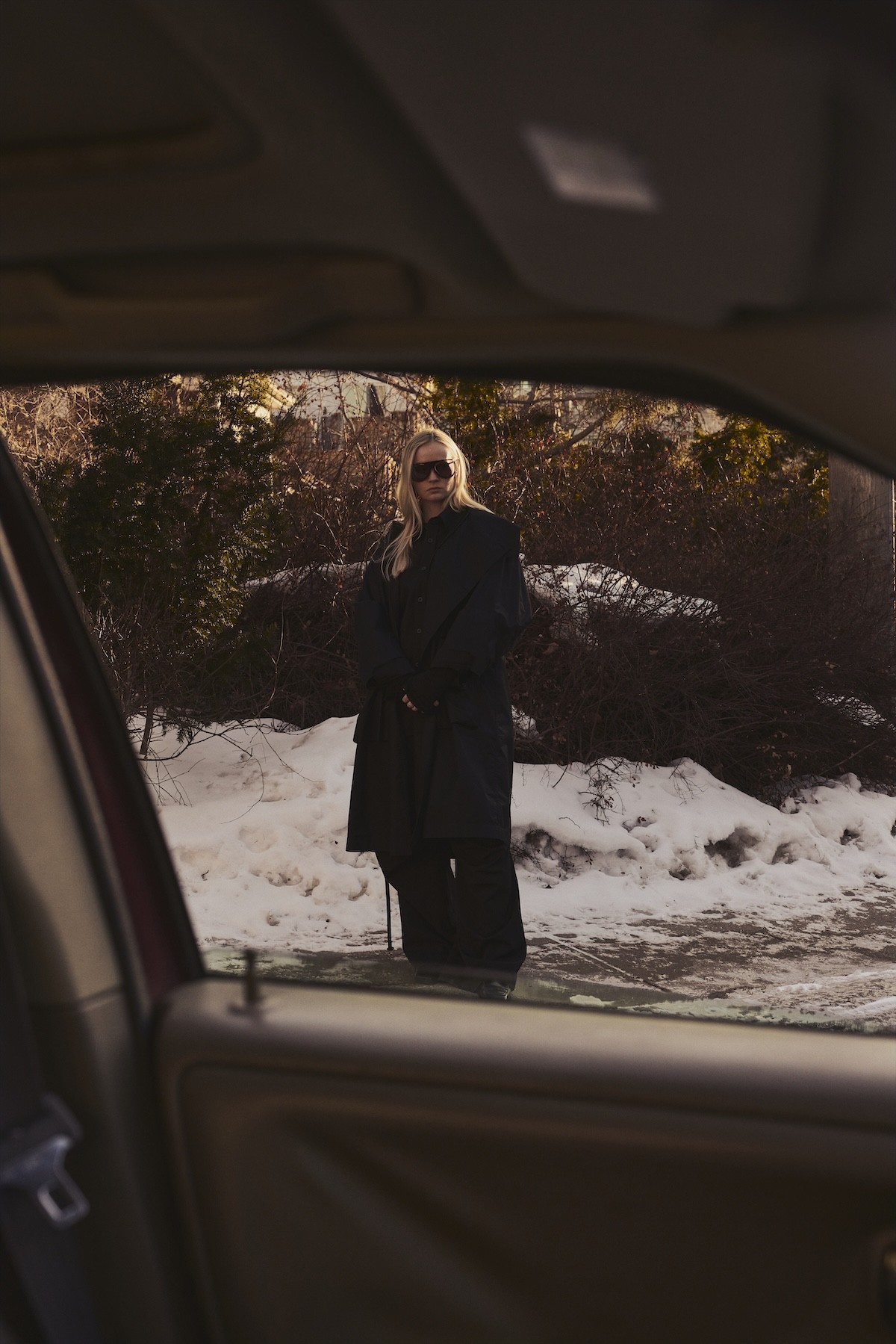
Jacket Lemaire (via Mine & Yours), Trousers MM6 Maison Margiela, Shirt APC, Loafers Ferragamo, Sunglasses Miu Miu
Shifting slightly, when you listen back to Patchwork, are there lyrics that feel especially meaningful to you?
The lyrics in the title track really represent where I was at. I’m in a long-term partnership, and I’ve learned that building something lasting takes patience. Nothing is perfect. The beauty is in working through the imperfections.
That realization extends into every part of life, relationships, work, health. Things are messy. And I want my music to reflect that honestly, rather than projecting something idealized.
It’s interesting how so much creative inspiration comes from chaos or heartbreak, and when things are steady, it can be harder to access that.
I used to worry about that a lot. I’ve talked to other artists about whether we subconsciously self-sabotage, because we’re a bit addicted to that instability—it pushes us to create and work through things.
But for me, something shifted with this project. My relationship has only gotten stronger over time. We’re very different people, and early on, there was a lot of conflict, but through commitment, we’ve built something really solid.
That stability has actually become incredibly inspiring. It’s not about chaos anymore. It’s about growth, trust, and choosing to stay and work through things. That’s where the meaning is for me now.
That’s beautiful to hear. It sounds like the project is very aligned with where you are now. What did making Patchwork teach you about yourself as an artist?
To trust my instincts. There are a lot of things in life I feel unsure about, but when it comes to music, I can rely on my taste and intuition. Every time I’ve questioned that, I’ve gone off track. So it’s really about coming back to that trust.
-
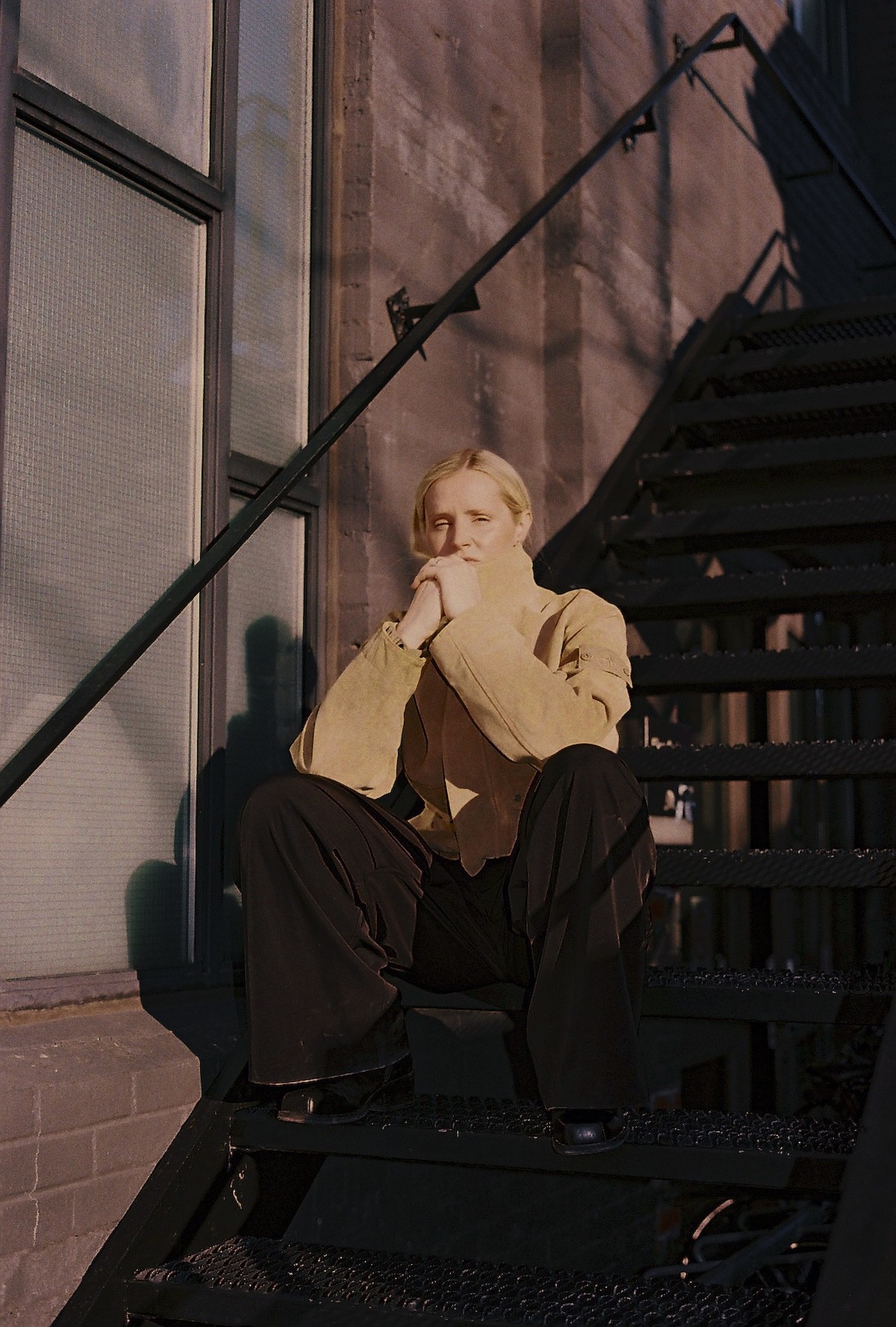
- Jacket Stone Island, Trousers MM6 Maison Margiela, Boots Marsèll
-
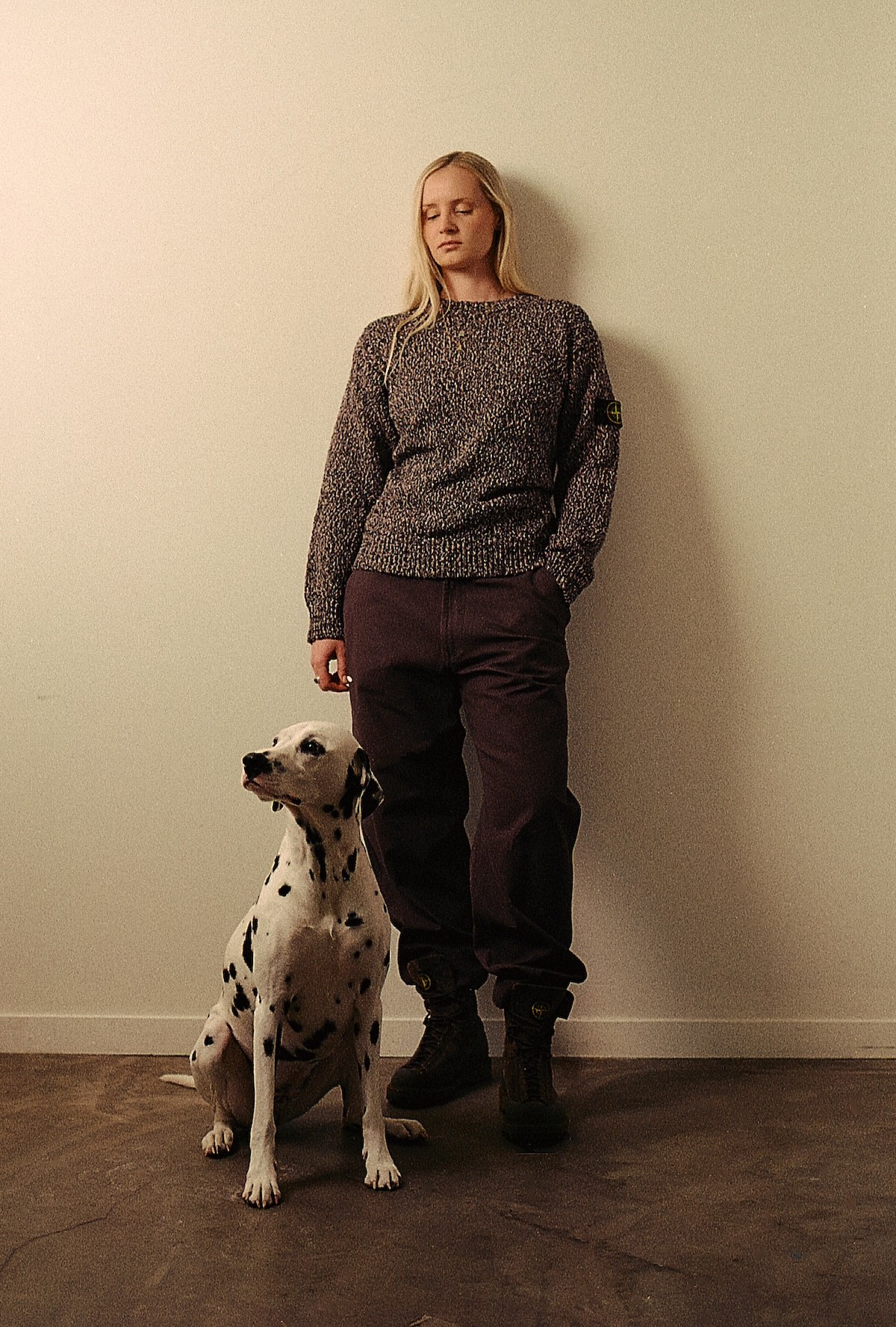
- Full Look Stone Island
Is there an album or artist you return to when you want to reconnect with that feeling?
I go back to Marvin Gaye a lot. Here, My Dear and What’s Going On. Also Stevie Wonder, Fulfillingness’ First Finale, Songs in the Key of Life, Innervisions. There’s something about that era that feels both organic and experimental, rooted but also pushing boundaries.
That balance really defines that era. It feels like there’s a resurgence of that now, especially with artists returning to more tactile, intentional processes.
I agree. Music is in a really beautiful place right now.
There’s also a reaction to things like AI. People want to return to something more analog and human. I love hearing recordings where you can feel the process, the imperfections, the layers, the history embedded in the sound. That’s what makes it feel alive.
If Patchwork were a place, an atmosphere, or a time of day, what would it feel like?
It would feel tactile. Like the seams are visible, something you want to run your fingers along. Visually, it feels like a transitional time of day, dusk or dawn. A lot of these songs were made at 5 a.m., in that quiet, in-between moment.
Stream Patchwork in its entirety below and stay up-to-date with her upcoming tour schedule through her Instagram and website.